Why Is My Cat Scared Of The Litter Box All Of A Sudden?
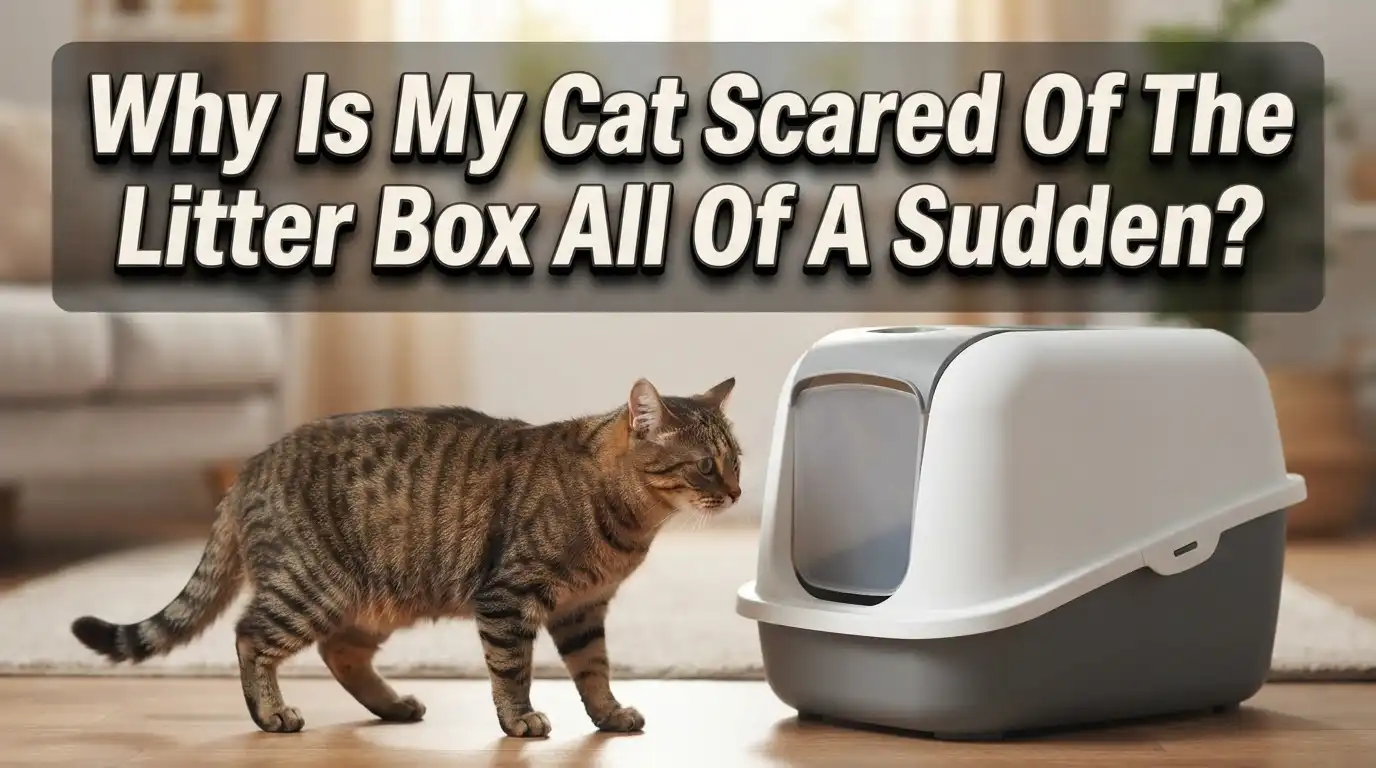
Your cat used to hop into the litter box without a second thought. Now she runs away from it. She may dash in and out fast. She may squat near the box but not inside it.
This sudden change worries you, and it should. A cat who fears her litter box is trying to tell you something. Something changed, and she cannot say it in words.
The good news is that this problem has clear causes. Most of them have simple fixes you can start today. Sometimes the reason is medical. Sometimes it is stress.
Key Takeaways
- Rule out pain first. A cat who suddenly fears the box often connects it with a painful potty trip. Urinary infections, cystitis, blockages, and constipation are common culprits. A vet visit should be your first move.
- A scary event can create fear. A loud noise, a dog ambush, or a fall while inside the box can teach your cat that the box means danger. She then avoids the spot.
- Cleanliness matters more than you think. Cats have a strong sense of smell. A dirty box can push a sensitive cat away fast. Scoop daily and deep clean weekly.
- Location and box style affect confidence. Cats want an open view, easy escape routes, and low sides. Covered boxes, tight corners, and high walls can trigger fear.
- Stress and other pets play a big role. New animals, moves, routine changes, or a bully cat blocking the box can all cause sudden fear. Reduce stress and add more boxes.
- Never punish your cat. Scolding or forcing her into the box will make the fear worse. Patience and kind training rebuild trust.
Understanding What Sudden Litter Box Fear Really Means
When your cat suddenly fears the litter box, she is showing a learned response. Something linked the box to a bad feeling in her mind. Cats are creatures of habit. A cat who used the box for years does not stop for no reason.
You might see her hesitate at the entrance. She may enter, then bolt out before finishing. She may cry near the box. She may pee or poop right beside it instead. These signs all point to fear, not stubbornness.
The key idea is simple: your cat is not being bad. She is scared. Once you accept that, you can look for the trigger. The trigger is usually pain, a fright, or a change in her space. Finding that trigger is the whole game. The rest of this post shows you how to spot it and fix it step by step.
Rule Out Medical Problems First
This step comes first for a reason. Pain is the number one hidden cause of sudden litter box fear. If your cat felt sharp pain the last few times she used the box, her brain now says the box hurts. She avoids it to avoid the pain.
Common medical causes include urinary tract infections, feline interstitial cystitis, kidney stones, blockages, and constipation. A blockage in male cats is a life threat. If your cat strains, cries, licks her genitals a lot, or passes blood, see a vet the same day.
Book a vet visit before you change anything at home. Ask for a urine test and a physical exam.
Pros: You catch dangerous problems early and treat the real cause.
Cons: A vet visit costs money and can stress a nervous cat. Still, skipping this step risks your cat’s health, so it is worth it.
Check For A Recent Scary Event Near The Box
Cats remember frightening moments. A single scary event while your cat was inside the box can create instant fear. Think back over the past week or two. Did something loud happen? Did a dog corner her? Did a child startle her?
Even small events matter. A vacuum switching on nearby, a shelf falling, a self cleaning box starting its cycle, or another cat pouncing at the exit can all leave a mark. Your cat now links the box to that scare.
To fix this, remove the trigger and change the setting. Move the box to a calm spot. Give her a fresh location with a new feel so old memories fade.
Pros: Often a fast fix once you spot the trigger. It costs little.
Cons: You may never know the exact event, so you work by trial. Rebuilding trust can take a few weeks of patience.
Keep The Litter Box Clean Every Single Day
Cats have a nose far stronger than ours. A box that smells fine to you can smell foul to your cat. A dirty box is one of the most common and most fixable causes of avoidance. Some cats refuse a box that holds even one clump.
Here is your cleaning routine. Scoop at least once a day, twice if you can. Once a week, dump all the litter and wash the box with warm water and unscented soap or baking soda. Then refill with fresh litter.
Avoid strong scented cleaners. Cats can build an aversion to those smells too.
Pros: Cheap, easy, and often solves the problem within days. It also keeps your home fresher.
Cons: It takes daily effort and consistency. If you travel or get busy, the routine can slip and the problem can return.
Look At The Type Of Litter You Use
Litter texture and smell matter a lot to cats. If you recently switched brands, that change alone could scare a picky cat off the box. Cats form litter habits as kittens and often keep them for life.
Most cats prefer clumping, unscented litter with a fine or medium texture. It feels soft on their paws, much like the sand or soil their instincts favor. Heavily perfumed litter or coarse pellets can feel or smell wrong to them.
To test her preference, set up two or three boxes side by side, each with a different litter. Watch which one she chooses. Keep about one to two inches of litter, not more.
Pros: A low cost experiment that gives you a clear answer from your cat herself.
Cons: You buy several litter types at once. It takes a few days to see a clear pattern, and some cats stay fussy no matter what.
Rethink The Litter Box Location
Where you place the box shapes how safe your cat feels. Cats want to see danger coming. A box tucked in a tight corner or backed against three walls can feel like a trap. She has no escape route, so she stays away.
Pick a quiet spot that still has an open view. Your cat should be able to watch people or pets approach and leave fast if she needs to. Keep the box away from loud machines like the washer, and away from her food and water bowls.
In a multi floor home, place one box on each level. This gives easy access at all times.
Pros: A free fix that often works fast. Better placement builds lasting confidence.
Cons: You may lack an ideal spot in a small home. Moving the box can confuse your cat at first, so she needs time to adjust.
Choose The Right Box Size And Style
The box itself can be the problem. Many cats dislike covered boxes. A hood traps odors inside and blocks the view, which makes a nervous cat feel closed in. Top entry boxes force an awkward climb that scares some cats.
Your cat wants a box that is large, open, and easy to enter. She should be able to turn around fully inside. A big plain plastic storage tub often works better than a fancy enclosed box.
For older or arthritic cats, pick a box with low sides so she can step in without pain.
Pros: Switching to an open low box is simple and helps many cats right away.
Cons: Open boxes show more litter mess and let odors escape, so you must scoop more often. Larger boxes also need more floor space.
Solve Conflict In Multi Cat Homes
If you have more than one cat, a bully may be the reason. One cat can guard or block the box so the others feel afraid to use it. Even without a direct fight, tension between cats creates enough stress to trigger fear.
The classic rule is one box per cat plus one extra. Three cats need four boxes. Spread them across different rooms so no single cat can control them all.
Give each cat their own safe zones. Add vertical space like cat trees and shelves so they can avoid each other.
Pros: More boxes and space reduce fights and give every cat a private option.
Cons: Many boxes mean more cleaning and more floor space used. It can take weeks to ease deep rivalry between cats.
Reduce Household Stress And Change
Cats crave routine. Small changes that seem minor to you can feel huge to a sensitive cat. A move, a new baby, a new pet, or a shift in your work hours can all spark anxiety that shows up at the litter box.
Try to keep her world steady. Feed her at the same times. Keep her box in the same clean state. Close the blinds if outdoor cats upset her through the window.
A synthetic pheromone diffuser can help some cats feel calmer. It copies a natural scent that signals safety.
Pros: Lowering stress helps the whole cat, not just the box issue. Pheromone products are easy to use.
Cons: You cannot remove every stressor, like a new baby. Pheromones work for some cats and do nothing for others, so results vary.
Retrain Your Cat With Positive Associations
Once you fix the trigger, help your cat build new happy feelings about the box. Never force her into it. Placing her inside will backfire and deepen the fear. Trust must grow on her terms.
Start by offering a fresh box in a new spot with slightly different litter. This breaks the old bad memory. Then make the area pleasant. Play with her near the box. Leave treats and toys on the path leading to it.
Do not place food right beside the box, since cats dislike eliminating near where they eat.
Pros: Gentle training rebuilds real confidence and lasting box use.
Cons: It takes patience and daily effort, sometimes several weeks. Progress can feel slow, and some cats need a behavior expert to fully recover.
Clean Up Accidents The Right Way
When your cat pees or poops outside the box, how you clean matters. Cats return to spots that still carry their scent. If a trace of urine remains, she will soil that same place again.
Use an enzymatic cleaner made for pet messes. It breaks down the odor instead of just covering it. Regular household cleaners only mask the smell to your nose, not hers.
Never use ammonia or vinegar based cleaners. Ammonia smells like urine to a cat and can pull her right back to the spot.
Pros: Proper cleaning breaks the repeat soiling cycle and protects your floors and furniture.
Cons: Enzyme cleaners cost more than basic sprays and need time to soak and work. You may have to treat one spot several times.
Know When To Call A Professional
Sometimes home fixes are not enough. If you have ruled out medical problems, cleaned and moved the box, tried new litter, and your cat still fears it, bring in an expert. Deep fear or anxiety may need trained help.
A board certified veterinary behaviorist or a certified applied animal behaviorist can design a step by step plan for your cat. They spot triggers you might miss. In some cases, your vet may suggest anti anxiety medication alongside home changes.
Medication is never a standalone fix. It works only with environmental changes and vet monitoring.
Pros: Expert help solves stubborn cases and gives you a clear custom plan.
Cons: Behaviorists and medications add cost. Drugs can carry side effects, so your cat needs regular checkups while on them.
Build A Long Term Plan To Prevent It Again
Once your cat uses the box happily again, keep the good habits. Prevention is easier than another round of fear. Consistency is your best tool.
Stick to a daily scoop and weekly deep clean. Keep the same litter she likes and change brands only slowly if you must. Watch her potty habits so you catch any new problem early.
Keep enough boxes for your cats, keep them in calm open spots, and keep her routine steady. Small daily care prevents big future problems.
Pros: A steady routine keeps your cat confident and your home clean for good.
Cons: It asks for ongoing effort and attention. Life changes like a move can still test the system, so you stay ready to adjust.
Frequently Asked Questions
How long does it take for a cat to get over litter box fear?
It depends on the cause. A dirty box or bad litter can fix in a few days. Fear from a scary event or medical pain may take two to four weeks of patience. Deep anxiety can take longer and may need a vet or behaviorist.
Should I punish my cat for going outside the box?
No, never punish her. Scolding, rubbing her nose in the mess, or forcing her into the box will make the fear worse. It raises her anxiety and breaks your bond. Stay calm, find the cause, and use kind steps to rebuild trust.
Can a medical issue cause sudden litter box fear?
Yes, and it is the most important cause to check first. Urinary infections, cystitis, blockages, and constipation make potty trips painful. Your cat then links the box to that pain and avoids it. Always see a vet before you try home fixes.
Why does my cat run in and out of the box quickly?
This is a classic fear sign. She wants to go but feels unsafe inside. It often points to pain, a past scare, a dirty box, or a location that feels like a trap. Check her health first, then clean and move the box.
Do covered litter boxes cause fear in cats?
They can. Covered boxes trap odors and block your cat’s view. A nervous cat may feel closed in with no escape route. Many cats prefer large open boxes with low sides. Try switching to an uncovered box and watch if she relaxes.
How many litter boxes should I have?
Follow the rule of one box per cat plus one extra. Two cats need three boxes. Spread them across different rooms and floors. This cuts conflict, gives each cat a private choice, and helps a scared cat always find a safe option.

Hi, I’m Liza — pet lover, lifelong animal enthusiast, and the voice behind Liza4Pets. I created this space to share honest, practical pet care advice for fellow pet parents who want the best for their furry (and not-so-furry) companions.