How To Stop A Dog From Destructive Chewing Due To Separation Anxiety?
Coming home to chewed up furniture or shredded shoes is never fun. If your dog only does this when you leave, separation anxiety is likely the cause.
This kind of chewing is different from normal boredom chewing. Your dog isn’t being naughty. He is stressed and scared.
Punishing him will not fix the problem. It can actually make his anxiety worse.
In a Nutshell
- Find the real cause first. Anxiety chewing looks different from boredom chewing. Watch when your dog chews most. This tells you what you’re dealing with.
- Skip the punishment. Yelling or scolding will not stop the chewing. It can make your dog feel more scared and anxious.
- Give the right chew toys. Offer safe, inedible chew items your dog can enjoy. Redirect him to these when he chews the wrong things.
- Keep up daily exercise. A tired dog chews less. Mental stimulation matters too, not just physical activity.
- Crate train the smart way. Never use the crate as punishment. Also, avoid crating your dog for more than six hours at a time.
- Protect valuable items. Store shoes and clothes in closed spaces. Remove tempting objects until your dog’s behavior improves.
- Treat the anxiety directly. Real progress happens when you address the root cause, not just the chewing itself.
Understanding Separation Anxiety and Its Link to Destructive Chewing
Separation anxiety in dogs causes real distress when you leave home. Your dog’s brain enters a panic state, and chewing becomes a way to cope with that fear and stress. This is very different from a bored dog chewing for entertainment.
Understanding the difference matters. Boredom chewing happens when your dog lacks exercise or mental activity. This type usually improves with more playtime and stimulation. Anxiety chewing, however, stems from genuine fear and requires treatment of the underlying anxiety itself.
Dogs with separation anxiety show specific signs. They chew mainly on door frames, window sills, or items that smell like you. They may also pace, whine, or have accidents in the house. These behaviors cluster together and happen specifically when you’re gone.
The key insight: treating only the chewing behavior without addressing the anxiety will fail. Your dog isn’t being stubborn or naughty. His nervous system is in overdrive, and chewing temporarily calms him down. It’s a self soothing mechanism, much like how humans might bite their nails when stressed.
Your dog’s destructive chewing tells you something important. It signals that separation anxiety exists and needs professional attention. Ignoring this message and only managing the behavior is like putting a bandage on a broken bone.
The good news is that separation anxiety responds well to proper treatment. You’ll need to work on both the anxiety itself and redirect the chewing behavior. This combination approach actually works.
Start by observing your dog carefully. Does the chewing happen only when you leave? Does it focus on specific areas? Does your dog show other anxiety signs like panting or drooling? These observations help confirm separation anxiety as the real culprit.
Once you understand the root cause, you can build an effective plan. Addressing the anxiety directly leads to real, lasting change in your dog’s behavior.
Signs Your Dog’s Chewing Is Anxiety-Driven vs. Boredom-Driven
Anxiety-driven chewing and boredom-driven chewing look very different. Learning to spot the difference helps you fix the real problem.
Anxiety-driven chewing happens only when you leave. Your dog destroys items near doors or windows. He may focus on baseboards, door frames, or items that smell like you. This chewing often causes injury to his mouth or paws. He shows panic signs like pacing, whining, or drooling before you leave.
Boredom-driven chewing occurs throughout the day. Your dog chews when you’re home and when you’re gone. He destroys toys, shoes, or furniture without panic. This chewing usually doesn’t cause injuries. Your dog seems calm and simply looking for something to do.
The timing matters most. Watch when the chewing happens. If destruction occurs within 15 to 30 minutes after you leave, anxiety likely drives it. If your dog chews randomly during the day, boredom is probably the cause.
Location also tells you something important. Anxiety chewing concentrates around exits and entry points. Your dog targets areas where he last saw you. Boredom chewing spreads throughout your home without a pattern.
Your dog’s physical state gives clues too. Anxiety-driven chewing often leaves your dog exhausted, panting, or with injury marks. Boredom-driven chewing leaves him calm and satisfied.
The key difference is this: boredom-driven chewing usually improves with more exercise and toys alone. Anxiety-driven chewing requires professional treatment of the separation anxiety itself. Simply providing chew toys won’t stop anxiety-driven destruction.
Pay attention to your dog’s behavior before you leave. Does he follow you around? Does he shake or pant? These signs point to anxiety. Understanding which type your dog experiences helps you choose the right solution and actually fix the problem.
Step-by-Step Plan to Address the Root Cause of Separation Anxiety
Addressing the root cause of separation anxiety requires a clear, step by step approach. You must first confirm that anxiety drives the chewing, not boredom or lack of exercise. Start by documenting exactly when and where your dog chews. Does it happen only when you leave? Does your dog focus on doors, windows, or items that smell like you? This pattern reveals anxiety rather than simple boredom.
Next, gradually reduce your dog’s anxiety about being alone. Begin with short absences of just a few minutes. Leave your home, wait outside, then return before your dog shows any stress signals. Repeat this many times over several days. Slowly extend the time you’re gone.
During this process, create a calm environment for your dog. Use white noise or soft music to mask outside sounds that trigger anxiety. Leave an item with your scent, like an unwashed shirt, so your dog feels your presence. This helps lower stress levels throughout the day.
Establish a consistent daily routine. Dogs with separation anxiety feel safer when they know what happens next. Feed your dog at the same times. Take walks at predictable moments. Practice departures at regular times too. Consistency builds confidence.
Avoid creating a stressful departure ritual. Don’t make a big fuss when you leave or return home. Skip the long goodbyes and excited hellos. Instead, leave calmly and return quietly. This teaches your dog that departures are normal, not scary events.
Work with a professional dog trainer or veterinary behaviorist if anxiety persists. They can recommend additional strategies tailored to your dog’s specific needs. Some dogs benefit from calming supplements or medications prescribed by your vet. Treatment takes time and patience, but addressing the root cause brings real results.
Using Crate Training, Chew Toys, and Environmental Management Effectively
Crate training works best when you use it as a safe space, not a punishment zone. Your dog should view the crate as a comfortable retreat where good things happen. Start by leaving the door open and letting your dog explore at their own pace. Toss treats inside and feed meals there to build positive associations.
Introduce the door gradually. Close it for just a few seconds while your dog eats, then open it immediately. Slowly increase the time with the door closed. This process takes weeks, not days. Patience matters here because rushing creates more anxiety, not less.
Never use the crate as punishment or leave your dog crated for more than 6 hours. Extended confinement increases anxiety and worsens destructive chewing. Your goal is to make the crate feel like a choice, not a prison.
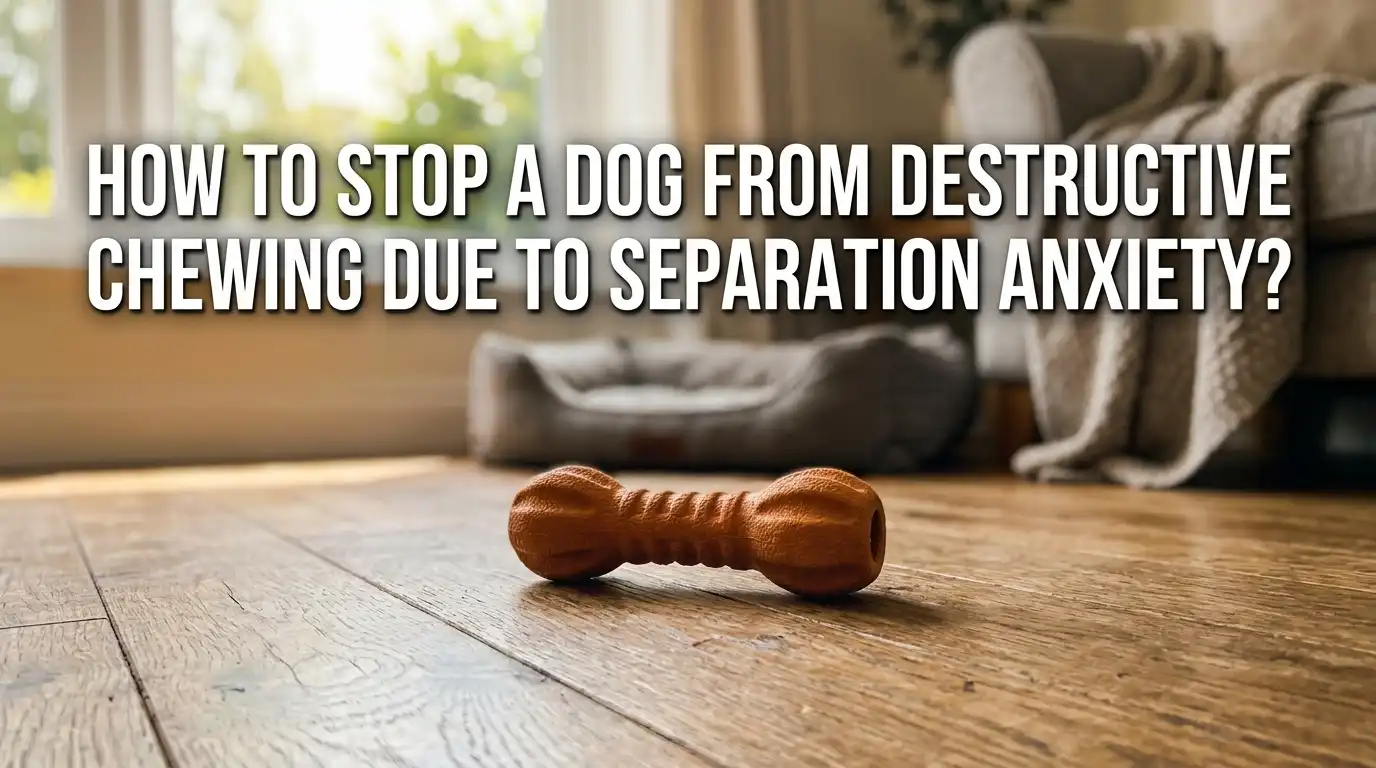
Appropriate chew toys and inedible chew bones give your dog something safe to direct their anxiety toward. Offer items that satisfy the natural urge to chew without causing harm. Rotate toys regularly to maintain interest. Leave these items accessible when you step away.
Environmental management prevents your dog from accessing items that trigger destructive behavior. Store shoes, clothing, and valuable objects in closed spaces or rooms your dog cannot reach. Remove temptation entirely during this training phase. This isn’t about restricting your dog. It’s about setting them up for success.
Combine these three strategies together. A proper crate provides security. Appropriate chew toys redirect the chewing urge. Environmental management removes opportunities for destructive behavior. None of these work alone, but together they create a foundation for recovery.
The real key is consistency. Apply these strategies every single day. Your dog needs to learn that being alone feels safe and manageable. This foundation supports the anxiety treatment your dog truly needs to overcome separation anxiety completely.
Daily Exercise and Mental Stimulation Strategies to Reduce Anxiety
Daily exercise and mental stimulation work together to reduce your dog’s separation anxiety. When your dog’s body and mind stay active, they have less energy to worry about being alone.
Aim for at least one solid exercise session each day. A 30 to 60 minute walk, run, or play session helps burn off nervous energy. The exact time depends on your dog’s age, breed, and health level. Younger dogs often need more activity than older dogs.
Mix up the types of exercise you provide. Walking on different routes keeps things interesting. Playing fetch or tug of war engages your dog physically. Swimming works great if your dog enjoys water. Variety prevents boredom and keeps your dog mentally engaged too.
Mental stimulation matters just as much as physical exercise. A tired mind helps reduce anxiety symptoms. Use puzzle toys that require your dog to think and problem solve. Hide treats around your home so your dog has to search for them. Teach new commands or tricks during training sessions.
Rotate your dog’s toys and enrichment items regularly. Bringing out the same toy every day gets boring. Swap toys weekly so each one feels fresh and interesting again.
Time your exercise strategically. A good workout session before you leave helps your dog settle down while you’re gone. Your dog is more likely to rest than worry when they feel physically tired.
Combine exercise with mental challenges for best results. A walk that includes sniffing time, obstacle courses, or training practice gives your dog both physical and mental work. This combination depletes anxiety energy more effectively than exercise alone.
Start slowly if your dog isn’t used to lots of activity. Build up exercise time gradually over a few weeks. Watch for signs of fatigue or overexertion. Consistent daily activity paired with the other strategies creates real progress in managing separation anxiety chewing.
Common Mistakes That Worsen Anxiety-Driven Chewing
Many dog owners accidentally make separation anxiety worse by using punishment. When your dog chews destructively, yelling, spanking, or scolding increases their stress levels. Your dog doesn’t understand the punishment. Instead, they learn that your presence triggers fear or confusion.
Punishment creates a cycle. Your dog feels anxious alone. They chew to self soothe. You return and punish them. Their anxiety grows stronger. The chewing gets worse.
Muzzles are another common mistake. Some owners use muzzles to stop chewing while they’re away. This traps your dog with their anxiety and removes their only coping tool. Your dog cannot chew, drink water easily, or pant to cool down. Muzzles don’t treat the underlying anxiety at all.
Crating for too long causes serious problems. Dogs need bathroom breaks and movement. Leaving your dog crated for 8, 10, or 12 hours while you work intensifies panic. Your dog associates the crate with abandonment rather than safety. They may soil the crate or injure themselves trying to escape.
Spray bottles and negative reactions backfire too. Spraying water when your dog chews teaches them to hide the behavior, not stop the anxiety. Your dog learns to chew only when you cannot see them.
Using the crate as punishment is equally harmful. If you rush your dog into the crate angrily after destructive chewing, they fear the crate. Crate training fails because your dog never feels safe inside.
Skipping exercise and mental stimulation is a silent mistake. Your dog’s nervous system stays in overdrive. Without proper outlets, anxiety builds throughout the day. By the time you leave, your dog’s stress is at maximum.
The biggest error is treating chewing as a behavior problem instead of an anxiety problem. You cannot punish anxiety away. You must address the root cause: your dog’s fear of being alone.
Troubleshooting Setbacks and Knowing When to Seek Professional Help
Your dog’s progress won’t always move in a straight line. Some days will feel like major wins. Other days, you might find chewed baseboards or shredded cushions and feel like you’re back at square one. This is normal and doesn’t mean your training failed.
Setbacks happen for specific reasons. Your dog might experience a chewing episode after a change in routine, a stressful event, or a shift in your work schedule. Identifying the trigger helps you adjust your approach. Keep a simple log of when chewing occurs and what happened before it. You’ll start seeing patterns.
Common setback scenarios include returning to the office after working from home, traveling, or introducing a new pet. Each situation requires you to rebuild your dog’s confidence gradually. Don’t rush the process. Go back to basics with your crate training and exercise routine. Your dog needs extra reassurance during transitions.
When should you call a professional? Consider reaching out to a veterinary behaviorist if your dog shows no improvement after 4 to 6 weeks of consistent effort. A behaviorist can rule out medical issues and create a customized plan. They might recommend medication to help your dog manage anxiety while you work on training.
You should also seek help if chewing becomes dangerous. If your dog ingests objects or shows signs of intestinal blockage like vomiting or lethargy, contact your veterinarian immediately. Don’t wait on this.
Your veterinarian can also screen for underlying health problems that might increase anxiety. Sometimes thyroid issues or pain make separation anxiety worse. Treating the medical issue often reduces destructive behavior significantly.
Professional trainers and behaviorists aren’t admissions of failure. They’re tools that help you and your dog succeed faster. Many owners find that expert guidance saves months of frustration and creates real, lasting change.
Final Thoughts
Destructive chewing from separation anxiety takes time to fix. Your dog needs patience and consistency from you.
Remember the key distinction. Boredom chewing improves with more exercise alone. Anxiety chewing needs real treatment of the root cause.
Punishment never helps anxious dogs. Yelling, spray bottles, and crate punishment only make the fear worse. Your dog chews because they feel scared, not because they are bad.
Focus on the basics that work. Give your dog daily exercise and mental stimulation. Provide safe chew toys and remove valuable items from reach.
Crate training helps many dogs when done right. Never use the crate as punishment. Never leave your dog crated for more than six hours.
Watch for progress, not perfection. Some days will be better than others. Setbacks happen, especially during schedule changes or travel.
Don’t give up if you see slow results. Separation anxiety treatment often takes weeks or months. Small improvements add up over time.
Know when to ask for help. A veterinary behaviorist can create a plan suited to your dog’s specific needs. This step shows good pet ownership, not failure.
Your dog’s health matters too. Some dogs have thyroid problems or other health issues that increase anxiety. Your vet can check for these hidden causes.
Stopping destructive chewing means treating the anxiety, not just the symptom. Address the fear behind the behavior. The chewing will fade as your dog feels safer alone.
Stay consistent with your training methods. Avoid mixed signals that confuse your dog. Clear, calm guidance helps your dog learn faster.
With the right approach, most dogs improve significantly. Your effort and patience make a real difference. Your dog can learn to feel calm and secure, even when you’re not home.
Frequently Asked Questions
Why does my dog chew destructively when I leave?
Your dog chews because of anxiety, not spite or boredom. When dogs feel anxious about being alone, they chew to self soothe and release stress. This is different from a bored dog who chews for entertainment. Anxiety driven chewing requires you to treat the underlying anxiety first. Without addressing the root cause, providing toys alone won’t solve the problem.
How long can I safely leave my dog in a crate?
Never crate your dog for more than 6 hours at a time. Longer periods cause serious stress and can make separation anxiety worse. Puppies need even shorter periods, usually 1 hour per month of age plus one. The crate should feel like a safe space, not a prison. If your dog shows panic or destructive behavior in the crate, this method isn’t working for them yet.
What should I do when I catch my dog chewing the wrong thing?
Stay calm and redirect without punishing. Gently guide your dog to an appropriate chew toy instead. Never yell, spray water, or use physical punishment. These reactions teach your dog to hide the behavior, not stop it. Punishment makes anxiety worse, not better. Reward your dog when they chew the right items.
Can I use a muzzle to stop the chewing?
No. Muzzles don’t treat anxiety and can increase stress. Your dog still feels anxious but now can’t express it through chewing. This creates additional frustration. Focus on treating the anxiety itself rather than preventing the symptom.
When should I call a professional?
Contact a veterinary behaviorist if your dog shows no improvement after several weeks of consistent training. Also reach out if chewing becomes dangerous or your dog shows extreme panic. Your veterinarian can rule out health issues like thyroid problems that increase anxiety.

Hi, I’m Liza — pet lover, lifelong animal enthusiast, and the voice behind Liza4Pets. I created this space to share honest, practical pet care advice for fellow pet parents who want the best for their furry (and not-so-furry) companions.