Why Is My Older Dog Suddenly Having Accidents Indoors?
Your senior dog was perfectly house trained for years. Now suddenly, you find puddles on the kitchen floor or worse.
This change feels confusing and even a little frustrating. But your dog is not being naughty.
Sudden indoor accidents in older dogs almost always point to a medical issue. This is not just a normal part of aging that you should ignore.
Conditions like urinary tract infections, kidney disease, diabetes, or joint pain can all make it hard for your dog to hold their bladder or reach the door in time. Cognitive decline can also confuse your dog about where and when to go.
In a Nutshell
- See your vet first. Sudden accidents often signal health problems like UTIs, kidney disease, or diabetes. A checkup rules out serious issues early.
- Joint pain matters too. Arthritis can make it hard for your dog to walk outside or hold a position to potty. Mobility support helps a lot.
- Watch for cognitive decline. Older dogs sometimes forget their training due to brain changes. This is common and treatable in many cases.
- Track water intake. Sudden increases in thirst can point to diabetes or kidney trouble. Tell your vet about any changes you notice.
- Skip the punishment. Scolding your dog will not fix a medical problem. It only adds stress and confusion for your pet.
- Adjust the routine. More frequent potty breaks, including at night, can prevent accidents while you find the root cause. Patience and consistency go a long way during this process.
Common Medical Causes Behind Sudden House Soiling
A urinary tract infection (UTI) is one of the most common medical causes of sudden accidents in senior dogs. Your dog’s bladder becomes inflamed, which reduces how much urine it can hold. This means your dog feels the urge to go more often and may not make it outside in time.
Kidney disease is another serious culprit. When kidneys fail to filter waste properly, your dog drinks more water and urinates more frequently. This increased volume makes accidents more likely, even for a well trained dog.
Diabetes causes similar problems. High blood sugar levels force the kidneys to pull extra water into the urine. Your senior dog will drink excessively and need to urinate constantly. You might notice weight loss and increased appetite alongside the accidents.
Bladder stones develop when minerals accumulate in the bladder. These stones irritate the bladder lining and reduce storage capacity. Your dog may strain to urinate, produce only small amounts, or have bloody urine.
Cognitive dysfunction affects the brain’s ability to control bladder function. Older dogs sometimes forget their house training or lose awareness of the urge to go. They may seem confused about where they are or what they’re doing.
Joint pain and arthritis limit your dog’s mobility. If your senior dog experiences pain when walking or standing, they may not be able to reach the door quickly enough. Stiff hips or knees make it harder to assume the proper position for elimination.
Your veterinarian can run blood work and urinalysis to identify which condition is present. These tests check kidney function, blood sugar levels, and signs of infection. Once your vet diagnoses the problem, treatment becomes straightforward. Many of these conditions respond well to medication, dietary changes, or increased potty breaks. The key is getting professional help quickly rather than assuming age alone is responsible.
Cognitive Decline and Behavioral Changes in Senior Dogs
As your dog ages, their brain changes just like any senior’s does. Cognitive decline in older dogs affects their ability to remember where and when to go potty. This condition is sometimes called canine cognitive dysfunction or dementia.
Your senior dog may forget their lifelong housetraining. They might not recognize the signal to go outside anymore. Some dogs have accidents in the same spot repeatedly because they forget they already went there. Others seem confused about what their body is telling them.
Watch for these behavioral signs of cognitive decline. Your dog might stare at walls or get stuck in corners. They may sleep more during the day but pace at night. Some seniors seem disoriented when they wake up. They might not respond to their name like they used to. A few dogs even forget to eat or drink normally.
Cognitive decline often happens alongside other health issues. Your vet needs to rule out medical problems first because those are easier to treat. Once medical causes are off the table, your vet can discuss whether cognitive changes are playing a role.
You can help your dog manage cognitive decline. Keep a consistent routine so your dog knows when to expect potty breaks. Take them outside more frequently, especially before bedtime. Use the same door and the same spot each time. This repetition helps reinforce old training even as memory fades.
Nighttime accidents are especially common with cognitive decline. Your senior dog may not wake up in time or remember they need to go out. Consider using absorbent pads in their sleeping area. Some owners set alarms to take their dogs out during the night.
Be patient with your aging companion. Accidents happen because their brain is changing, not because they want to misbehave. Your consistency and extra care make a real difference in their comfort and dignity during their golden years.
Mobility, Pain, and Physical Limitations to Watch For
Joint pain and arthritis are major physical barriers that prevent older dogs from reaching their outdoor potty spots in time. When your senior dog’s hips, knees, or spine hurt, the simple walk to the door becomes difficult or painful.
Arthritis makes it hard to squat or assume the right position to urinate or defecate. Your dog may feel discomfort when lowering their back legs. This pain can trigger accidents indoors simply because your dog cannot physically manage the process anymore.
Watch for these mobility signs. Does your dog move slowly after resting? Do they struggle to climb stairs or jump on furniture? Does your dog limp or favor one leg? These are red flags that pain is affecting their ability to toilet outside.
Pain often worsens in cold weather or at night. This is why many senior dogs have more accidents during winter months or in the early morning hours. The stiffness from rest makes movement even harder.
Your vet can assess your dog’s joints and spine during a physical exam. They may recommend pain management options to help your dog move more comfortably. When pain decreases, your dog regains the ability to reach the outdoor area and hold their bladder or bowels longer.
Meanwhile, you can help by making the journey easier. Place your dog’s water and food bowls closer to the door. Reduce the distance your dog must travel to go outside. Consider adding extra outdoor breaks, especially after meals and rest periods.
Never assume your dog is being lazy or stubborn. An older dog having sudden accidents often experiences real physical pain. Addressing the pain directly often resolves the house soiling problem faster than any other approach. Your vet is your best partner in identifying and treating mobility issues.
What to Expect During a Veterinary Evaluation
Your veterinarian will perform a thorough evaluation to find why your senior dog is having accidents. This visit is your first step toward solving the problem.
The vet will start with questions about your dog’s history. They’ll ask when the accidents began, how often they happen, and whether they occur at night or during the day. They’ll also want to know about any changes in your dog’s eating, drinking, or behavior. Be honest about everything you’ve noticed, even small details.
Next comes the physical examination. Your vet will check your dog’s abdomen, spine, and joints. They’ll look for signs of pain, stiffness, or other issues. They’ll also assess your dog’s overall body condition and muscle tone.
Blood work and urinalysis are essential tests. These samples reveal infections, kidney problems, diabetes, and other conditions affecting the urinary system. Your vet may also recommend ultrasound imaging if they suspect bladder stones or other structural issues.
During the exam, mention any medications your dog takes. Some drugs can affect bladder control or increase thirst. Your vet needs this information to make an accurate diagnosis.
The vet will also ask about your dog’s living situation. Do they have easy access to outdoor areas? Are there stairs or obstacles? Can they get outside frequently enough? This information helps identify physical barriers.
Don’t feel rushed during the appointment. Ask questions about what the vet finds. Request clear explanations of any test results. Understanding the cause makes treatment much easier.
Bring a list of your dog’s symptoms if you have one. Include dates, times, and patterns you’ve noticed. This helps your vet identify trends quickly. After the evaluation, you’ll have concrete answers instead of guessing about the problem.
Rebuilding a Reliable Potty Routine for Senior Dogs
Once your veterinarian identifies the cause of your senior dog’s accidents, you can start building a new routine. This process takes patience and consistency. Your dog’s body and brain need time to adjust.
Start by taking your dog outside more frequently than before. Most senior dogs benefit from potty breaks every two to three hours during the day. Add an extra break right before bedtime and one first thing in the morning. If nighttime accidents happen often, consider a break around midnight too.
Choose the same spots each time you go outside. Dogs recognize these places by smell and memory. Your senior dog will understand what you expect when you return to the same location. Praise and reward every successful outdoor bathroom trip immediately. Use treats or gentle words to show approval right away.
Keep water intake consistent but monitor changes. Some senior dogs drink more due to health conditions like diabetes or kidney disease. Your vet can advise if you should adjust water timing. Never restrict water without veterinary guidance.
Manage your home environment to prevent accidents between outdoor breaks. Use washable pads in areas where accidents happen most. Keep your dog close to you indoors so you notice signs they need to go out. Watch for sniffing, circling, or restlessness. These signals mean your dog needs a bathroom break soon.
Establish a word or phrase for potty time. Say it every time you head outside. Your senior dog will start connecting the word with the action. This communication helps them tell you when they need to go.
Be realistic about progress. Some senior dogs regain full control quickly. Others need weeks or months to rebuild reliability. Every dog is different. Stay encouraging and avoid punishment, which creates fear and confusion. Your consistency and calm approach help your older companion succeed.
Managing and Preventing Accidents at Home
When your senior dog has indoor accidents, management at home becomes just as important as veterinary care. The goal is to prevent accidents while you address the underlying cause.
Start by increasing outdoor breaks throughout the day. Most older dogs benefit from trips outside every 2 to 3 hours, plus one before bedtime and one first thing in the morning. If your dog has nighttime accidents, consider an additional midnight break. This gives their bladder more opportunities to empty on schedule.
Choose the same potty spot each time you go outside. Dogs recognize familiar areas by scent, which helps them understand what you expect. Spend time outside with your dog to confirm they actually go, then praise them immediately when they do.
Manage water intake carefully. Keep water available during the day, but limit it a few hours before bedtime. Monitor whether your dog is drinking more than usual, as increased thirst signals medical issues like diabetes or kidney disease. Your vet should know about any changes.
Inside your home, remove obstacles that make reaching the door difficult. Move water bowls closer to the exit if your dog has mobility issues. Use baby gates to keep your dog in areas where accidents are easier to clean, like tile or linoleum rather than carpet.
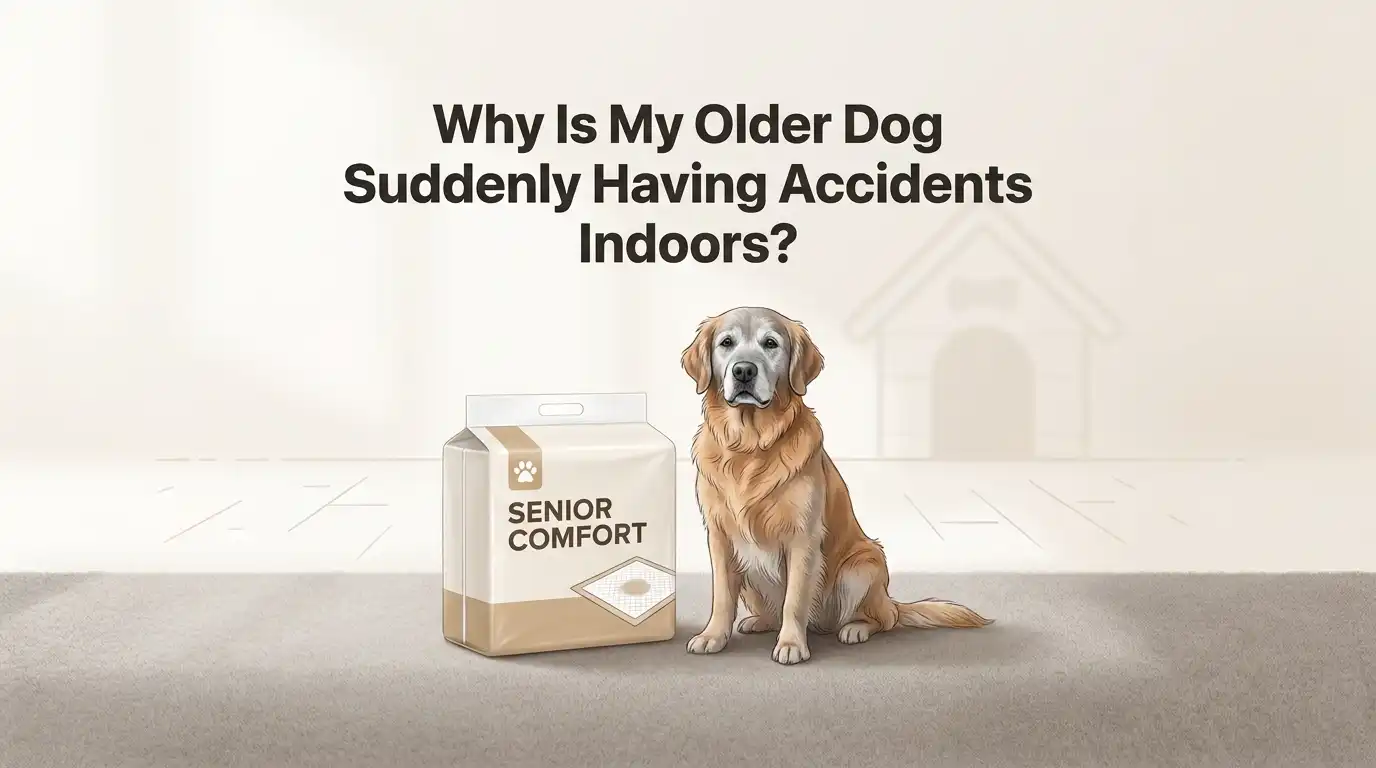
Consider using washable pee pads or puppy pads in spots where accidents happen most often. These aren’t a permanent solution, but they protect your floors while you work with your vet.
Never punish accidents. Scolding or rubbing your dog’s nose in urine creates fear and confusion. Your older dog isn’t having accidents on purpose. Stay patient and focus on the management plan your veterinarian recommends alongside any medical treatment.
Mistakes That Make House Soiling Worse
Punishing your senior dog for indoor accidents is one of the biggest mistakes you can make. Scolding or rubbing your dog’s nose in accidents teaches fear, not bladder control. Your older dog is not being stubborn or lazy. A sudden change in bathroom habits signals a real medical or physical problem that your dog cannot control.
When you scold your dog after an accident, they learn to hide from you. They may have accidents in closets or under furniture instead of in front of you. Your dog becomes anxious around you, which actually makes accidents worse. Stress and fear increase the urge to urinate.
Another common mistake is assuming accidents are just part of getting old. This is false. Sudden indoor soiling is not a normal part of aging. It means something has changed in your dog’s body or environment. Dismissing it as “just old age” delays finding the real cause, whether that’s a urinary tract infection, kidney disease, or joint pain.
Ignoring health signals is equally harmful. If your dog suddenly has accidents after years of being housetrained, a vet visit is essential. Do not skip this step. Many causes are treatable when caught early.
Changing your dog’s routine too quickly also backfires. If your senior dog suddenly has more accidents, do not immediately restrict water or outdoor access without veterinary guidance. These changes need to happen gradually and based on what your vet recommends.
Finally, having unrealistic expectations makes the situation frustrating for both of you. Your senior dog may need outdoor breaks every 2 to 3 hours instead of every 8 hours. This is normal. Patience and consistency matter far more than speed. Focus on preventing accidents rather than punishing them. Work with your vet to address the underlying cause while managing your home environment to set your dog up for success.
Final Thoughts
Sudden indoor accidents in your older dog are never something to ignore. Your dog is not choosing to misbehave. Something has changed inside their body, and they need your help to figure it out.
The most important step is always a vet visit. Medical issues like infections, kidney disease, or diabetes often cause this change. A proper diagnosis guides everything you do next.
Once you know the cause, patience becomes your best tool. Senior dogs cannot always control their bladder the way they once did. Getting frustrated only adds stress to an already hard situation for your dog.
Think of this journey as teamwork between you and your dog. They rely on you to notice changes and respond with care. You rely on your vet to point you toward the right solution.
Small adjustments make a big difference over time. More frequent outdoor trips, a calm home setup, and consistent routines all support your dog’s comfort. These changes show your dog that you are on their side.
Remember that aging brings new challenges, but it does not mean your dog’s quality of life has to suffer. Many dogs regain control once the underlying issue gets treated properly.
Some dogs may need ongoing management rather than a full cure. This is okay. Your love and consistency matter more than perfection.
Watching an older dog struggle with accidents can feel discouraging. But with the right medical support and a caring approach at home, most dogs improve significantly.
Stay observant, stay patient, and keep working closely with your vet. Your senior dog depends on you now more than ever. With understanding and consistent care, you can help them feel secure and comfortable again, no matter what changes aging brings.
Frequently Asked Questions
Is sudden indoor accidents normal for aging dogs?
No. Sudden accidents are not a natural part of aging. This is a common mistake many owners make. When your older dog suddenly starts having accidents, a medical problem is usually present. Your vet needs to check for UTIs, bladder stones, kidney disease, or diabetes first.
What should I do if my senior dog has an accident?
Stay calm and avoid punishment. Scolding teaches your dog to hide accidents from you, which makes training harder. Instead, take your dog outside more frequently. Most older dogs benefit from trips every 2 to 3 hours. Use the same potty spot each time so your dog understands where to go.
Can joint pain cause indoor accidents?
Yes. Arthritis and joint pain limit your dog’s mobility. Your senior dog may struggle to reach the door in time. Remove obstacles between your dog’s resting area and the exit. Make sure pathways are clear and easy to navigate.
How does water intake affect accidents?
Changes in water consumption signal health issues. Keep water available during the day, but reduce it a few hours before bedtime. Monitor how much your dog drinks. Sudden increases often indicate diabetes or kidney problems.
Should I use puppy pads for my older dog?
Washable pee pads work well as a management tool. Place them in spots where accidents happen most often. However, pads should supplement outdoor breaks, not replace them. They help prevent damage while you address the underlying cause with your vet.

Hi, I’m Liza — pet lover, lifelong animal enthusiast, and the voice behind Liza4Pets. I created this space to share honest, practical pet care advice for fellow pet parents who want the best for their furry (and not-so-furry) companions.