
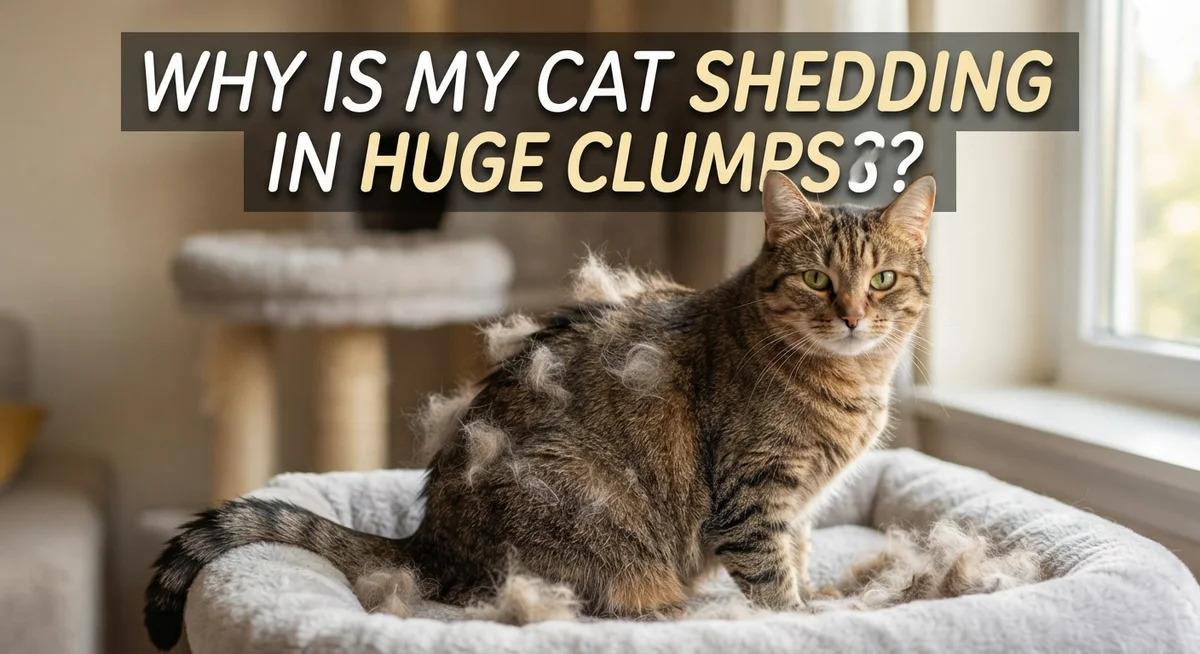
Why Is My Cat Shedding In Huge Clumps?
Does your cat leave behind giant tufts of fur every time you pet them? You are not alone.
Many cat owners notice sudden clumps of hair on the couch, the floor, or even in their hands. This can feel alarming, especially when it happens fast.
The good news is that shedding in clumps often has a clear cause. Sometimes it is just a seasonal coat change. Other times, it points to something deeper like stress, poor diet, or a health issue.
Your cat’s skin and coat often tell a bigger story about their overall health. Ignoring the signs could mean missing early symptoms of parasites, allergies, or pain.
In this article, we will explore why your cat sheds in large clumps. You will learn the common causes behind this issue, from natural seasonal shifts to underlying medical conditions.
We will also cover simple signs to watch for, easy grooming tips, and mistakes many owners make without realizing it.
By the end, you will know exactly when home care is enough and when it is time to call your vet.
In a Nutshell
Here is a quick summary to help you understand cat shedding in clumps.
-
Seasonal changes are normal. Cats often shed their undercoat during spring and fall. This is natural and usually not a cause for worry.
-
Health issues can trigger clumping. Stress, skin infections, parasites, and allergies often lead to excess shedding. A poor diet can also affect your cat’s coat.
-
Age matters too. Cats over 10 years old may groom themselves less. This can cause fur to build up and fall out in larger clumps.
-
Watch for warning signs. Look for sores, redness, or visible fleas on your cat’s skin. These signs mean it is time to check further.
-
Grooming helps a lot. Regular brushing removes loose fur before it clumps. Occasional baths can also help, but do not overdo them.
-
Vet visits are key. If shedding increases suddenly or your cat shows behavior changes, a vet checkup can rule out serious health problems.
These points give you a clear picture before we dive deeper into each cause and solution.
Understanding Normal vs. Excessive Shedding
Cat shedding falls into two categories: normal and excessive. Understanding the difference helps you know when to act.
Normal shedding happens year round. Most cats lose small amounts of fur daily. During spring and fall, shedding increases as your cat sheds their undercoat. You might notice more fur on furniture or your clothes, but it does not come out in large clumps when you pet them.
Excessive shedding looks different. Your cat loses hair in visible tufts or clumps. Fur comes away easily in your hands during petting. You find large piles of hair on the floor, bed, or couch.
The key difference is amount and pattern. Normal shedding is gradual. Excessive shedding happens suddenly or in concentrated areas.
Several factors trigger clump shedding. Seasonal coat changes trap undercoat fur, causing it to release in chunks. Stress, skin infections, and parasites also cause excessive hair loss. Allergies, hormonal changes, and poor diet play a role too. Older cats over 10 years may shed more because they groom themselves less.
Watch for warning signs that point to a problem. Sores, redness, or flaking on the skin suggest infection or parasites. Visible fleas or ticks mean your cat needs treatment. Behavioral changes like excessive scratching or hiding indicate stress or pain.
If your cat sheds in small amounts during spring and fall with no skin issues, this is normal. If shedding suddenly increases, appears in clumps year round, or comes with skin abnormalities, something needs attention.
The safest approach is simple: regular grooming removes loose fur before it clumps. A vet checkup rules out health problems. This combination tells you whether your cat’s shedding is seasonal or a sign of something else.
Common Causes of Clumpy Cat Shedding
Clump shedding happens when loose fur sticks together instead of falling out individually. Understanding the causes helps you decide whether home care works or a vet visit is needed.
Seasonal coat changes are the most common reason. Cats shed their undercoat heavily during spring and fall. Trapped undercoat gets matted and pulls away in clumps when you pet or groom your cat. This is normal and expected during these seasons.
Stress and anxiety trigger excessive shedding too. Moving to a new home, loud noises, or changes in routine make cats shed more. When stressed, cats also groom themselves less, which traps more fur and creates clumps. Identifying stressors helps reduce this type of shedding.
Skin infections and parasites cause clumpy shedding as well. Fleas, mites, and fungal infections irritate your cat’s skin. Your cat scratches more and loses fur in patches. You may see visible fleas, sores, or red spots on the skin. These signs mean a vet visit is necessary.
Allergies lead to clump shedding too. Food allergies or environmental allergies cause itching and fur loss. Your cat may scratch constantly or have dry, flaky skin.
Pain and arthritis reduce grooming ability. Older cats or cats with joint pain cannot reach all areas to groom themselves. Loose fur accumulates and forms clumps. Cats over 10 years old shed in clumps more often for this reason.
Poor diet and hormonal imbalance weaken coat health. A cat with nutritional gaps or thyroid problems sheds more easily. The fur comes out in clumps instead of gradual strands.
Age itself matters. Senior cats have thinner skin and weaker hair follicles. Their coats shed differently than younger cats.
Each cause needs a different approach. Seasonal shedding needs regular brushing. Health issues need veterinary attention. Stress reduction helps anxious cats. Knowing the cause makes treatment simpler and more effective.
Signs and Symptoms to Watch For
Your cat’s clump shedding sends important signals. Learning to spot these signs helps you decide whether home care works or a vet visit is needed.
Hair loss in tufts or clumps is the most obvious sign. You’ll notice fur coming out in chunks rather than individual strands. This usually appears on your cat’s back, sides, or hindquarters. The affected areas may look patchy or thin.
Visible skin problems often accompany clump shedding. Look for red patches, sores, or scabs on your cat’s skin. Eczema appears as flaky, irritated areas. These signs suggest infection or parasites rather than simple seasonal shedding.
Excessive fur during petting is another warning signal. If your cat leaves behind large amounts of fur when you gently stroke her, clumping is likely happening. Normal shedding feels light. Excessive shedding feels like fur is constantly coming loose.
Behavioral changes matter too. A cat that grooms less than usual may struggle with pain or arthritis. She might also be stressed or anxious. Cats that over groom obsessively may have allergies or skin irritation.
Sudden increases in shedding deserve attention. If your cat suddenly sheds more than usual, something has changed. This differs from gradual seasonal shedding in spring and fall.
Flea or tick evidence is critical to catch early. Look for tiny black specks on your cat’s skin or in her fur. You might see the parasites themselves. These pests trigger intense itching and clump shedding.
Pay attention to when the shedding happens. Does it follow seasonal patterns or appear randomly? Does it happen year round? The timing helps identify whether you’re dealing with normal coat changes or an underlying issue requiring professional help.
How to Groom a Cat That’s Shedding Heavily
Regular brushing is your first line of defense against clump shedding. Brush your cat several times per week to remove loose fur before it mats together. Use a slicker brush or metal comb that reaches the undercoat where trapped hair accumulates.
Start gently on areas your cat enjoys. Many cats love having their head and cheeks brushed first. This builds trust and makes the grooming session easier. Work slowly toward the back and sides where clumping typically occurs most.
Pay special attention to the undercoat layer. This dense inner fur sheds heavily during seasonal changes and gets trapped against the topcoat. Brushing removes this loose undercoat before it bunches into clumps. Spend extra time on your cat’s belly, armpits, and behind the ears.
Occasional baths help loosen trapped undercoat and reduce shedding. Warm water softens the fur and makes loose hair easier to remove. However, don’t bathe your cat too frequently as this dries out the skin and worsens shedding. Once monthly is usually enough during heavy shedding seasons.
Always dry your cat thoroughly after bathing. Use a soft towel and gently pat the fur. Some cats tolerate a low heat setting on a pet dryer, but never use high heat as this damages the coat.
Combine brushing with a damp cloth or grooming glove for extra results. These tools capture loose fur effectively and many cats find them more comfortable than traditional brushes. Consistency matters more than technique.
Stop immediately if your cat shows discomfort. Shedding clumps sometimes indicate tender skin or underlying pain. If grooming causes your cat to pull away, hiss, or show signs of distress, pause and consult your veterinarian. Pain from arthritis or skin conditions makes grooming sessions stressful rather than helpful.
When to Bathe Your Cat (and When Not To)
Bathing your cat can help with clump shedding, but timing and frequency matter greatly. Most cats don’t need regular baths because they groom themselves well. However, occasional baths help loosen trapped undercoat and reduce clumping.
The key is knowing when to bathe and when to skip it. Bathe your cat only when shedding becomes heavy and brushing alone isn’t enough. A bath every 4 to 6 weeks during shedding season works well for most cats. Never bathe more than once weekly, as this strips natural oils from the skin.
Don’t bathe your cat if certain conditions exist. Skip bathing if your cat has open sores, active skin infections, or visible wounds. Cats with fleas or mites need veterinary treatment first before any bath. If your cat shows signs of pain or arthritis, bathing may cause discomfort during handling.
Stress is another reason to avoid bathing. Some cats become extremely anxious in water, and forcing a bath increases stress levels. High stress actually worsens shedding, so it works against your goal.
Use lukewarm water only, never hot. Wet your cat’s fur thoroughly, then gently work in a cat specific cleanser. Avoid the face and ears. Rinse completely until no soap remains.
Dry your cat thoroughly after bathing. Use soft towels and let air drying finish the job. Never use a human hair dryer, as the heat and noise frighten most cats.
Watch your cat’s skin during and after bathing. Red, irritated skin or excessive scratching means stop bathing and contact your veterinarian. If your cat tolerates baths well and shedding improves, continue occasional bathing as part of your grooming routine. If bathing causes stress without reducing clumps, skip it and focus on regular brushing instead.
Mistakes That Make Shedding Worse
Bathing your cat too often is one of the biggest mistakes that makes shedding worse. Frequent baths strip away natural oils that protect your cat’s skin and coat. When these oils disappear, your cat’s skin becomes dry and irritated, which triggers even more shedding in clumps.
Most cats only need a bath every 4 to 6 weeks at most. Some cats with healthy coats need bathing even less often. Over bathing creates a cycle where more shedding leads to more baths, which causes more shedding.
Ignoring underlying health issues is another critical mistake. Many owners assume clump shedding is normal and skip a vet visit. However, infections, parasites, allergies, and hormonal problems won’t go away on their own. They actually get worse over time and cause more severe shedding.
Skipping the veterinary evaluation is dangerous because it delays treatment for serious conditions. A vet can identify the real cause in minutes. Without professional diagnosis, you’re just treating symptoms instead of solving the problem.
Using the wrong grooming tools makes shedding worse too. Harsh brushes or metal combs can irritate your cat’s skin and pull out healthy fur along with loose hair. This creates more breakage and clumping.
Another mistake is grooming too aggressively when your cat shows pain or discomfort. If your cat flinches, pulls away, or hisses during grooming, stop immediately. Painful grooming suggests underlying skin problems or arthritis that need veterinary attention.
Finally, many owners wait too long before seeking help. When clump shedding appears suddenly or gets progressively worse, that’s your signal to call the vet. Early intervention prevents minor issues from becoming serious coat and skin problems.
When to See a Veterinarian
Your cat’s clump shedding might be normal, but some situations require professional help. A veterinarian can identify what’s really happening beneath the fur.
Schedule a vet visit if shedding suddenly increases without explanation. Your cat’s coat might change gradually with seasons, but rapid clumping suggests something else is going on. Sudden changes often point to stress, allergies, or health issues that need attention.
Visible skin problems warrant an immediate appointment. Look for red patches, sores, scabs, or areas where skin shows through the fur. These signs indicate infection, parasites, or dermatitis that won’t improve with brushing alone.
Behavioral changes alongside shedding are important clues. If your cat stops grooming, acts withdrawn, or seems painful when you touch certain areas, get professional guidance. Pain from arthritis or other conditions can cause cats to groom less, leading to matted clumps and further shedding.
Persistent clumping despite regular grooming suggests underlying issues. You might brush daily and still see large tufts coming out. This pattern often indicates parasites, hormonal problems, or nutritional deficiencies that require diagnosis.
Age matters too. Cats over 10 years old shed differently due to changes in skin health and grooming ability. Senior cats sometimes need different care approaches than younger ones.
Flea or tick evidence demands immediate veterinary care. Even one flea can cause allergic reactions leading to excessive shedding. Your vet can recommend appropriate prevention methods.
Don’t wait and hope the problem resolves itself. Early intervention prevents complications and keeps your cat comfortable. Your veterinarian will examine your cat’s skin, check for parasites, and run tests if needed. They’ll identify whether shedding is seasonal, stress related, or caused by medical conditions requiring treatment.
Final Thoughts
Cat shedding in huge clumps feels alarming at first. But now you understand the real story behind it.
Seasonal changes often explain the biggest shedding spikes. Your cat’s body naturally adjusts fur thickness with the weather.
Sometimes clumping points to something deeper though. Stress, poor diet, or hidden health problems can all trigger excess shedding.
Watch your cat’s overall behavior, not just their fur. A cat that grooms normally and acts playful is likely fine.
Regular brushing remains your best daily tool. It removes loose fur before it clumps and falls around your home.
Occasional baths help too, but don’t overdo them. Too much bathing strips natural oils and irritates skin.
Trust your instincts as a pet owner. You know your cat’s normal habits better than anyone else.
If something feels off, don’t wait it out. Sudden changes, visible sores, or behavior shifts deserve a vet visit.
Age plays a big role in shedding patterns too. Older cats often need extra help with grooming and comfort.
Think of shedding as a conversation your cat is having with you. Their fur tells a story about their health.
Diet quality matters just as much as grooming tools. A balanced diet supports healthy skin and reduces excess shedding.
Most clumping cases resolve with simple care adjustments. Brushing more often and reducing stress often does the trick.
But some cases need professional attention. Don’t hesitate to call your vet if clumping continues despite your best efforts.
Your cat depends on you to notice these changes early. Early action prevents small issues from becoming bigger problems.
Keep observing, keep grooming, and keep your vet’s number handy. Your cat’s comfort and health are always worth that extra care and attention.
Frequently Asked Questions
Is clump shedding always a sign of a health problem?
Not always. Seasonal coat changes cause the most dramatic clumping, especially in spring and fall. Your cat’s undercoat gets trapped and sheds in chunks during these times. This is completely normal.
However, clumping can signal health issues too. Stress, skin infections, and parasites all trigger excessive shedding. Pain from arthritis or other conditions reduces your cat’s ability to groom. Age also plays a role, especially in cats over 10 years old.
The key is watching for other signs. If clumping appears suddenly or your cat has visible sores, seek veterinary help. Behavioral changes matter too.
How often should I brush my cat to prevent clumping?
Daily brushing works best during heavy shedding seasons. This removes loose fur before it forms mats and clumps. Even 5 minutes per day makes a real difference.
During lighter shedding months, 3 to 4 times weekly is usually enough. Pay special attention to your cat’s back and sides where clumping happens most.
Use a brush your cat actually enjoys. Some cats prefer slicker brushes while others like rubber grooming tools. Watch your cat’s comfort level and stop if they show pain.
Why does my cat shed more after I bathe them?
Bathing loosens trapped undercoat and removes natural oils from fur. This causes temporary increased shedding for several days afterward. It’s normal and not harmful.
Occasional baths help remove stubborn undercoat buildup. Just don’t bathe too frequently. Most cats only need bathing every 4 to 6 weeks maximum.
Can diet affect how much my cat sheds?
Yes. Poor nutrition weakens skin and coat health, leading to excessive shedding. A diet lacking quality protein and omega fatty acids shows up as clumpy hair loss.
Talk to your vet about nutrition if clumping persists despite good grooming habits.

Hi, I’m Liza — pet lover, lifelong animal enthusiast, and the voice behind Liza4Pets. I created this space to share honest, practical pet care advice for fellow pet parents who want the best for their furry (and not-so-furry) companions.