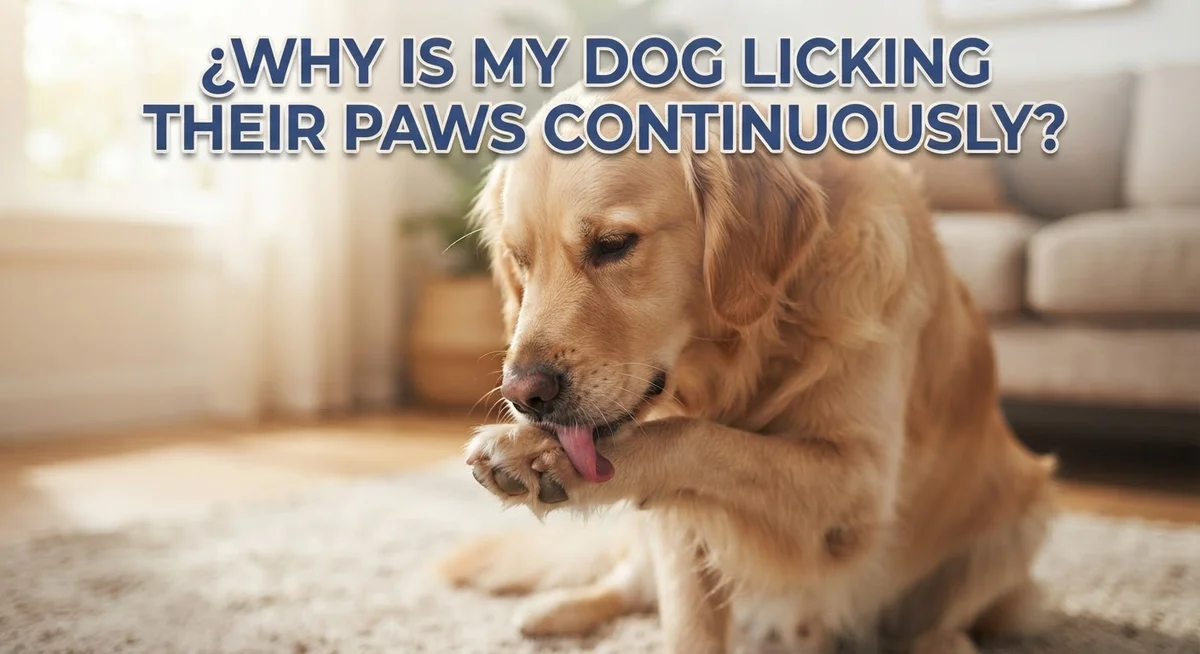
Why Is My Dog Licking Their Paws Continuously?
Does your dog lick their paws all the time? You are not alone. Many dog owners notice this habit and wonder what it means.
Paw licking is not just a quirky habit. It is often a sign that something is bothering your dog. Your furry friend cannot tell you in words, so they show you through their actions.
Several things can cause this behavior. Allergies are the most common reason. Infections, injuries, stress, and environmental irritants like pollen or chemicals can also play a role.
Ignoring this behavior can make things worse. A small issue might turn into a bigger problem without proper care.
In a Nutshell
- Allergies top the list. Food, pollen, or grass can trigger this itchy response in your dog’s paws.
- Infections cause discomfort too. Yeast and mites often lead to that persistent licking you notice.
- Pain or injury may be hiding. Your dog might lick a sore paw to soothe it, even if you cannot see the wound.
- Stress plays a role. Some dogs lick their paws when they feel anxious or overwhelmed.
- See a vet if licking lasts more than a few days. A professional can check for allergies, infections, or pain you might miss at home.
- Address the cause, not just the symptom. Stopping the licking alone will not fix what’s really wrong.
Understanding Why Dogs Lick Their Paws
Your dog’s continuous paw licking sends a clear message. This behavior is your dog’s way of communicating discomfort or distress. Dogs cannot tell us in words when something bothers them, so they show us through actions.
The most common culprit is allergies. Your dog’s immune system reacts to environmental triggers like grass, pollen, or household chemicals. When these irritants touch the paws, itching begins, and licking follows naturally.
Infections deserve your attention too. Yeast and mite infections thrive in warm, moist paw areas. Your dog licks to find relief, but this actually spreads the infection further. The cycle continues and worsens over time.
Sometimes pain or injury hides beneath the surface. A thorn, cut, or internal soreness makes your dog focus on that specific paw. Licking becomes a self soothing response to manage discomfort.
Stress and anxiety also trigger paw licking in many dogs. When your dog feels overwhelmed or nervous, repetitive licking calms their nervous system. This is similar to how humans bite their nails when anxious.
Environmental factors matter significantly. After walks, your dog’s paws collect dirt, pollen, and irritants. These substances cause itching that demands attention through licking.
The key point: recognize this behavior as a symptom, not a habit. Your dog is telling you something needs fixing. Ignoring persistent licking allows the underlying problem to grow worse. Whether allergies, infection, pain, or stress cause the issue, your dog needs help addressing the root cause.
Contact your vet if licking continues beyond a few days. A professional can identify exactly what troubles your dog and recommend the right solution.
Common Causes of Continuous Paw Licking
Your dog’s continuous paw licking usually signals an underlying issue rather than just a quirk. Understanding what causes this behavior helps you address the real problem quickly.
Allergies rank as the top cause of persistent paw licking in dogs. Your dog’s paws can react to food allergies, environmental triggers like pollen or grass, or contact with chemicals on surfaces. When allergens irritate the skin, your dog licks to find relief.
Infections create another common reason for this behavior. Yeast infections thrive in the warm, moist environment between your dog’s toes. Mite infestations also cause intense itching that leads to constant licking. Both conditions need veterinary treatment to clear up.
Pain or injury may hide beneath the surface. Your dog might lick a sore paw, bruise, or cut even if you cannot see it easily. This licking is their way of trying to soothe discomfort.
Stress and anxiety trigger paw licking in many dogs too. When dogs feel anxious, overwhelmed, or bored, they sometimes turn to repetitive licking as a coping method. This self soothing behavior can become a habit if stress continues.
Environmental irritants also play a role. Nettles, rough grass, salt from winter roads, or cleaning chemicals on floors can irritate your dog’s paws and cause licking.
The important thing to remember: your dog’s licking is a symptom telling you something needs attention. It is not just a harmless habit. If licking persists for more than a few days, schedule a vet visit. Your veterinarian can identify whether allergies, infections, pain, or another issue is responsible. Once you find the root cause, you can actually fix the problem instead of just stopping the behavior.
How to Identify Environmental Triggers
Environmental triggers are external factors in your dog’s surroundings that cause paw licking. These differ from internal issues like infections or stress. Understanding them helps you spot what’s bothering your pup.
Grass and pollen are common culprits. When your dog walks through grass, pollen sticks to their paws. Your dog then licks to remove it. This happens more during spring and fall when pollen counts rise. If licking increases after outdoor time, grass or pollen may be the trigger.
Chemicals and cleaning products around your home can irritate paws too. Harsh floor cleaners, pesticides, or fertilizers leave residue on surfaces. Your dog walks through these substances and licks their paws to clean them. The irritation builds up over time.
Nettles and rough plants cause direct discomfort. Sharp plant edges scratch or irritate the paw pads. Your dog responds by licking the affected area. Check your yard for these plants, especially near walking paths.
Salt and sand from winter roads or beaches irritate sensitive paw skin. These substances stick between toe pads and cause itching. After outdoor exposure, rinse your dog’s paws with clean water.
To identify environmental triggers, keep a simple log. Write down when licking happens and what your dog did beforehand. Note the weather, location, and activities. Over time, patterns emerge. Did licking start after visiting a specific place? Does it worsen during certain seasons?
Watch your dog’s paws closely for redness or swelling. These signs point to environmental irritation. Compare licking patterns indoors versus outdoors. If licking drops dramatically inside, environmental factors likely play a role.
Signs That Indicate a Vet Visit Is Necessary
Your dog needs a vet visit if paw licking continues for more than a few days. This timeframe matters because it separates normal grooming from a potential health issue.
Watch for these specific warning signs. If your dog licks one paw repeatedly and limps, injury or pain likely exists. Red, swollen, or raw paws indicate infection or severe irritation. A foul smell coming from the paws suggests yeast or bacterial infection. Your dog may also chew between the toes or develop open sores.
Behavioral changes warrant attention too. If your normally calm dog suddenly licks constantly, stress or anxiety may be building. If nighttime licking disrupts sleep, an underlying problem is present. Excessive licking that prevents your dog from eating or playing signals distress.
Pay attention to when licking happens most. Does it occur after walks? After eating certain foods? During specific seasons? This pattern helps your vet identify the root cause faster.
Don’t wait for the problem to worsen. Early vet visits catch infections before they spread or create complications. Your vet can perform skin scrapings, fungal cultures, or allergy tests. These tools identify whether allergies, infections, parasites, or pain is responsible.
Bring photos or videos of the licking if possible. Show your vet any redness, discharge, or changes in paw appearance. Mention when the licking started and how often it happens.
Your vet evaluation is essential. A professional examines paws up close and checks your dog’s overall health. They address the actual cause instead of just stopping the behavior. This approach prevents the issue from recurring or becoming worse.
What to Expect During a Veterinary Evaluation
Your vet will start by asking detailed questions about when the licking began and how often it happens. Be ready to share whether the behavior occurs during specific times, like at night or after outdoor activities. This information helps your vet identify patterns.
The physical examination comes next. Your vet will inspect both paws closely using magnification tools to spot redness, swelling, hair loss, or skin lesions. They look for signs of infection, parasites, or injury that you might miss at home.
Your vet may perform specific tests depending on what they observe. A skin scraping can reveal mites or fungal infections. A fungal culture takes samples to identify yeast problems. These tests take time but provide clear answers about what’s causing the licking.
Your vet will also check your dog’s overall health. They examine the ears, skin folds, and other areas where infections commonly hide. They ask about your dog’s diet, recent changes in routine, and whether other pets in your home show similar symptoms.
Expect your vet to discuss your dog’s stress level and home environment. They want to know if you’ve changed cleaning products, added new carpeting, or moved to a different location. Environmental changes often trigger paw licking.
Your vet may recommend allergy testing if allergies seem likely. This involves either blood tests or intradermal skin testing to pinpoint specific allergens affecting your dog.
Bring a list of any medications your dog takes. This helps your vet rule out side effects. Be prepared to discuss your dog’s complete medical history, including previous skin problems or allergic reactions. Having this information ready makes the visit more efficient and helps your vet reach an accurate diagnosis faster.
Why Nighttime Licking Happens and What It Means
Dogs often lick their paws more at night for the same reasons they lick during the day. The underlying causes don’t change based on time. What changes is your dog’s environment and stress level when darkness falls.
Allergies intensify at night because your dog lies down and presses their face into bedding. Dust mites, mold, or fabric irritants trigger more licking when your dog spends hours in one spot. Pollen from outdoor play settles on paws too. When your dog rests, they focus on grooming these irritated areas.
Pain and discomfort feel worse at rest. Your dog notices joint aches or injuries more when they’re not distracted by activity. Nighttime quiet means fewer distractions from discomfort. Your dog turns to licking as a way to soothe the pain.
Stress and anxiety spike during nighttime hours for some dogs. Separation anxiety, loud noises, or changes in routine trigger nervous licking. Your dog may feel lonely or anxious when family members go to bed. Licking becomes a self soothing behavior.
Yeast and bacterial infections also worsen at night. Warm, moist paws create perfect conditions for growth. Your dog’s body temperature rises when they rest, making infections more active and itchy.
Environmental irritants like grass or chemicals picked up during the day cause delayed reactions. Your dog’s immune system responds hours later when they’re settled for sleep.
Watch your dog’s nighttime licking patterns closely. Does it happen every night or only after outdoor play? Does your dog lick one paw or multiple paws? These details help your vet identify the real cause. Nighttime licking isn’t a separate problem. It’s your dog telling you something needs attention during their rest hours.
Mistakes to Avoid When Addressing Paw Licking
Many dog owners make critical mistakes when their pets lick paws constantly. Understanding what NOT to do helps you protect your dog’s health.
The biggest mistake is ignoring persistent paw licking as just a harmless habit or quirk. Your dog is telling you something is wrong. This behavior signals an underlying issue that needs attention. Dismissing it allows the problem to worsen and cause more discomfort.
Another common error is treating the symptom instead of finding the root cause. You might try to stop the licking by redirecting your dog or using bitter sprays. These approaches fail because they don’t address what’s actually bothering your dog. The licking returns immediately because the cause remains untreated.
Avoiding veterinary care is perhaps the most damaging mistake you can make. Some owners wait weeks or months hoping the licking stops on its own. This delay allows infections to spread, allergies to intensify, and pain to worsen. Early vet visits catch problems before they become serious.
Don’t assume you know what’s causing the licking. You might think it’s allergies when it’s actually a yeast infection. You might blame stress when an injury is the real problem. Only a vet can properly diagnose the cause through examination and testing.
Failing to monitor your dog’s environment is another oversight. You skip tracking when licking happens most or what your dog was doing beforehand. This information helps your vet identify triggers like grass, pollen, or chemicals.
Finally, avoid giving your dog home remedies without vet approval. Some treatments can make conditions worse or mask serious problems. Your vet is your best resource for safe, effective solutions.
Tips for Monitoring and Managing Your Dog’s Symptoms
Monitoring your dog’s paw licking starts with keeping a simple log. Write down when the licking happens, how long it lasts, and what your dog was doing before it started. This information helps your vet identify patterns and find the real cause.
Check your dog’s paws daily for signs of problems. Look for redness, swelling, discharge, or raw patches. These visible changes tell you something is wrong beneath the surface. Smell the paws too. A yeasty or sour odor suggests a fungal or bacterial infection.
Watch your dog’s behavior closely. Does the licking happen after playing outside? Does it increase during certain seasons? Does your dog seem anxious or stressed when licking? These observations matter because they point toward allergies, environmental triggers, or emotional causes.
Pay attention to your dog’s overall health. Notice if your dog seems itchy in other areas too, like the ears or belly. Check for hair loss or skin changes. These signs suggest allergies affecting multiple body parts.
Keep track of your dog’s environment. Note any new cleaning products, lawn treatments, or changes in bedding. Document what your dog eats and any recent diet changes. Environmental factors and food can trigger reactions that cause paw licking.
Record how your dog responds to rest and activity. Does licking worsen when your dog relaxes? This suggests pain or discomfort. Does it improve with exercise? This might indicate boredom or anxiety.
Share your observations with your vet at the first appointment. The more details you provide, the faster your vet can identify the problem. Good monitoring helps you catch issues early and prevents complications from developing over time.
Final Thoughts
Your dog’s paw licking always means something. It’s a signal, not a bad habit.
Allergies, infections, injuries, stress, and irritants all cause this behavior. Each cause needs a different solution.
You can’t fix this problem by ignoring it. Waiting only makes things worse for your dog.
Continuous licking for more than a few days means it’s time to see your vet. Don’t wait weeks hoping it stops on its own.
Your vet can check for allergies, infections, pain, or injury. This step helps you find the real cause quickly.
Think about your dog’s environment too. Grass, pollen, and chemicals often trigger licking episodes.
Treating the symptom alone won’t solve the problem. You need to address what’s causing it in the first place.
Watch your dog closely each day. Notice when the licking happens and what makes it worse.
This information helps your vet make a faster diagnosis. It also helps you protect your dog’s comfort at home.
Remember that nighttime licking has the same causes as daytime licking. Your dog just notices discomfort more when resting.
Small changes can make a big difference. Removing irritants, managing stress, and treating infections all help reduce licking.
Your dog depends on you to notice these signs. Paying attention early prevents bigger health problems later.
Trust your instincts if something seems off. You know your dog better than anyone else.
Don’t hesitate to reach out to your vet. They can guide you toward the right treatment plan.
Your dog’s comfort matters every single day. Quick action today means a happier, healthier paw tomorrow.
Frequently Asked Questions
Is paw licking always a sign of a serious problem?
Not always, but it usually signals something needs attention. A dog licks their paws to communicate discomfort or an immune response. Occasional licking is normal grooming behavior. However, continuous licking that lasts more than a few days indicates an underlying issue. The problem could be minor, like a small irritant, or more serious, like an infection. The key is recognizing that persistent licking is a symptom, not just a habit. Your dog’s body is telling you something requires investigation.
When should I take my dog to the vet?
Schedule a vet visit if your dog licks their paws continuously for several days. Don’t wait weeks hoping it stops on its own. Early intervention prevents the problem from getting worse. Your vet can evaluate for allergies, infections, injuries, or pain. They’ll examine your dog’s paws closely and ask about recent changes in your dog’s environment or behavior. This information helps your vet identify the root cause quickly.
What causes nighttime paw licking specifically?
Nighttime licking stems from the same causes as daytime licking: allergies, pain, stress, infections, or environmental irritants. Your dog may lick more at night because they have fewer distractions and feel more discomfort when resting. Some dogs experience delayed reactions to allergens picked up during outdoor play. Stress and anxiety also intensify at night when your dog settles down.
Can I treat this at home without a vet?
Avoid home remedies without veterinary approval first. Treating the symptom alone won’t solve the problem. You need to address what’s actually causing the licking. Your vet can recommend safe, effective treatments based on the specific cause.

Hi, I’m Liza — pet lover, lifelong animal enthusiast, and the voice behind Liza4Pets. I created this space to share honest, practical pet care advice for fellow pet parents who want the best for their furry (and not-so-furry) companions.