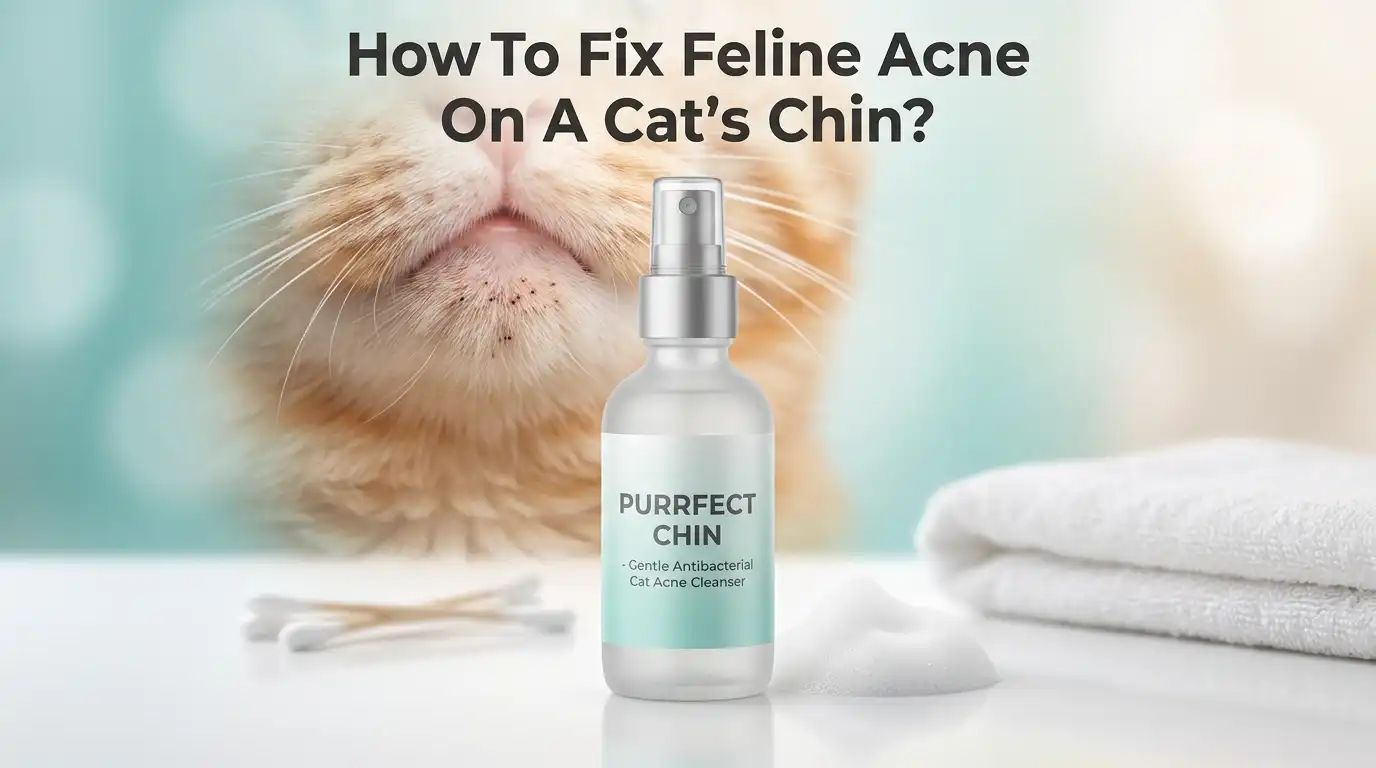
How To Fix Feline Acne On A Cat’s Chin?
Does your cat have small black spots on their chin? That is likely feline acne. It looks alarming, but you can treat it at home.
Feline acne often shows up as tiny blackheads or red bumps. Sometimes the chin swells or looks crusty. This can make your cat feel uncomfortable.
The good news is that this problem is common and treatable. In most cases, poor hygiene or bacteria buildup causes the breakout. Simple changes at home often clear it up fast.
This guide will walk you through easy fixes. We will cover why plastic bowls make acne worse. You will learn how to clean your cat’s chin safely and gently.
In a Nutshell
- Switch your bowls first. Plastic holds bacteria and often causes chin acne. Swap to stainless steel or ceramic bowls right away.
- Clean the chin gently. Use a soft cloth or toothbrush soaked in warm water. Wipe the area with light pressure, never scrub hard.
- Keep the chin dry. Wipe your cat’s chin after meals and drinking water. Moisture left behind can make acne worse.
- Try topical treatments. A mild antiseptic wash or benzoyl peroxide product can help clear buildup. Use these treatments weekly for best results.
- Trim hair around the area. Clipping fur near the chin helps you clean it better. This also lets treatments reach the skin directly.
- Watch for improvement. Most cats respond well within a few weeks of consistent care. If the acne persists or gets worse, see your vet for guidance.
What Is Feline Chin Acne and What Causes It?
Feline chin acne is a skin condition that develops on your cat’s chin and lower jaw area. Your cat gets small blackheads, red bumps, or crusty spots. This happens when bacteria and oil build up in the hair follicles around the chin.
The main cause is poor hygiene combined with bacterial growth. Your cat’s chin stays moist from eating and drinking. This wet environment creates the perfect spot for bacteria to multiply. The condition is not contagious to other cats or to you.
Plastic food and water bowls are a common trigger. Plastic scratches easily and creates tiny grooves where bacteria hide. These bowls also trap food particles and moisture. Over time, bacteria thrive in these conditions and transfer to your cat’s chin.
Other factors play a role too. Some cats are more prone to chin acne because of their genetics. Stress can weaken your cat’s immune system and make acne worse. Poor grooming habits also increase the risk, especially in older or overweight cats.
Your cat’s chin stays in constant contact with their bowls. Every time your cat eats or drinks, the chin rubs against the bowl surface. If the bowl is dirty or made of plastic, bacteria transfer directly to the skin. This repeated exposure causes inflammation and acne development.
Environmental factors matter as well. High humidity in your home can make the chin stay damp longer. Dirty feeding areas allow bacteria to spread. Infrequent bowl cleaning means more bacterial buildup.
The good news is that feline chin acne responds well to treatment. Most cases improve with better hygiene and simple home care. Your cat will not suffer serious complications if you address the problem early. Understanding these causes helps you prevent acne from coming back after treatment.
Recognizing feline chin acne early makes treatment easier. Look for blackheads or red bumps on the chin and lower jaw. If you spot these signs, start with the basic fixes right away. Your cat will feel more comfortable once the acne clears up.
Signs and Symptoms to Watch For
Your cat may show several clear signs that acne is developing on their chin. The most obvious indicator is small black spots or blackheads that appear on the skin. These look like tiny dark specks clustered together on the chin and lower jaw area.
Red bumps and inflammation often accompany the blackheads. Your cat’s chin may appear swollen or feel warm to the touch. The skin in this area might look irritated or raw if your cat has been scratching or rubbing it.
You may notice your cat has difficulty eating or seems uncomfortable during meals. Some cats will paw at their chin repeatedly. Others may rub their chin less frequently against objects because the area feels tender.
Discharge or oozing from the affected area is another warning sign. The bumps may fill with pus or develop crusts on top. This happens when bacteria multiply beneath the skin’s surface.
Pay attention to how your cat behaves around their food and water bowls. If your cat seems hesitant to eat or drink, chin acne could be causing discomfort. Some cats will eat more slowly or turn their head at unusual angles to avoid pressure on the affected area.
Bad odor coming from the chin region suggests a bacterial infection has developed. This smell typically indicates the acne needs prompt attention and cleaning.
Look for worsening symptoms over time. If the blackheads spread to other areas of the face or the red bumps increase in number, the condition is progressing. Scabs or hair loss around the chin also signal that acne is becoming more severe.
Early detection matters because mild cases respond quickly to simple home care. The longer you wait, the more likely the infection will spread deeper into the skin. Catching these signs early means your cat experiences less discomfort and recovers faster. Start observing your cat’s chin regularly so you can spot changes immediately.
Step-by-Step Guide to Treating Feline Chin Acne at Home
Start by replacing your cat’s plastic bowls with stainless steel or ceramic alternatives. Plastic harbors bacteria and creates the perfect environment for acne to develop. This single change often prevents new breakouts from forming.
Next, gently clean your cat’s chin daily using a soft cloth or toothbrush soaked in warm water. Let the cloth sit on the affected area for a few seconds to soften any buildup. Use light pressure and avoid aggressive scrubbing, which can irritate sensitive skin further.
Dry your cat’s chin thoroughly after cleaning. Moisture traps bacteria and slows healing. Pat the area gently with a clean, dry cloth. Make this part of your routine after meals and water time.
Clip the hair around your cat’s chin to improve access and airflow. Shorter fur allows better cleaning and helps the area dry faster. Use small scissors or clippers designed for cats, and work slowly to avoid nicks.
Apply a mild antiseptic wash or benzoyl peroxide product once weekly, following your veterinarian’s specific instructions. These treatments reduce bacterial growth and clear existing buildup. Start with once weekly and adjust based on your cat’s response.
Wipe your cat’s chin after every meal and drinking session. This prevents food particles and moisture from accumulating throughout the day. Keep a designated cloth nearby for quick cleanings.
Maintain consistency with your cleaning routine. Most cats show improvement within two to three weeks of regular care. Skip days and progress slows significantly.
Monitor the affected area closely for changes. You should see redness decrease and bumps flatten over time. If the acne worsens, spreads, or shows signs of infection like discharge or swelling, contact your veterinarian immediately.
Keep your cat’s feeding area clean as well. Wash and dry their bowls daily to prevent bacterial transfer back to their chin. A clean environment supports faster healing and prevents reinfection.
Essential Hygiene Tips to Prevent Recurrence
Preventing feline chin acne from coming back requires you to stay consistent with hygiene habits. The key is maintaining a clean environment around your cat’s feeding area. Start by washing your cat’s food and water bowls daily with hot water and soap.
Replace any plastic bowls you currently use with stainless steel or ceramic options. Plastic bowls trap bacteria in tiny scratches and cracks on their surface. This bacterial buildup directly causes chin acne to develop and return.
Wipe your cat’s chin after every meal and drinking session. Use a soft, dry cloth to remove moisture and food particles. This simple step prevents bacteria from multiplying on the skin. Make this part of your daily routine, just like feeding your cat.
Keep your cat’s chin area dry throughout the day. Moisture creates the perfect environment for bacteria to thrive. If you notice your cat’s chin getting wet, gently pat it dry with a clean cloth.
Clean your cat’s feeding bowls and placemat regularly. Food residue builds up quickly and harbors harmful bacteria. Wash these items at least once daily, and more often if your cat eats wet food.
Maintain a consistent cleaning schedule for your cat’s chin. Even after acne clears up, continue gentle daily cleaning with warm water. This prevents bacteria from returning to the area.
Watch for early warning signs that acne is returning. Red bumps or blackheads mean you need to increase cleaning frequency immediately. Catching recurrence early stops it before it becomes severe.
Keep your cat’s environment clean and dry. Store food in airtight containers away from moisture. Change your cat’s bedding regularly if they rest their chin on it.
Follow your veterinarian’s guidance on maintenance treatments. Some cats benefit from occasional topical applications even after acne heals. Your vet can recommend the right prevention plan for your specific cat.
Stay patient and consistent. Preventing recurrence takes time and dedication, but it works when you stick with these hygiene practices every single day.
Common Mistakes That Worsen Feline Acne
Many cat owners accidentally make feline chin acne worse without realizing it. Understanding these common mistakes helps you protect your cat’s skin and speed up healing.
Using plastic food and water bowls is the biggest error you can make. Plastic harbors bacteria and scratches easily, creating tiny crevices where germs multiply. These microscopic spaces trap moisture against your cat’s chin, fueling acne development. Switching to stainless steel or ceramic bowls eliminates this problem entirely.
Rubbing or petting your cat’s chin during an active infection causes serious damage. Your hands transfer bacteria to the affected area. Even gentle touching introduces new pathogens and irritates inflamed skin. Let your cat’s chin rest without unnecessary contact while treating the acne.
Skipping the drying step after cleaning is another frequent mistake. Many owners clean the chin but leave it wet. Moisture creates the perfect environment for bacteria to thrive. Always dry your cat’s chin completely with a soft cloth after every cleaning session.
Aggressive scrubbing damages delicate skin and worsens inflammation. Your cat’s chin area is sensitive, and harsh rubbing causes pain and bleeding. Use gentle pressure only when cleaning. A soft cloth or toothbrush with light strokes works best.
Inconsistent cleaning routines prevent healing. You must stick to a daily schedule for best results. Missing days allows bacteria to rebuild and acne to return. Set a specific time each day for chin care to stay on track.
Ignoring moisture after meals is surprisingly common. Food particles and water droplets sit on your cat’s chin if you don’t wipe it clean. This creates a breeding ground for bacteria. Make wiping your cat’s chin after eating and drinking a non negotiable habit.
Finally, avoid using harsh antiseptic products without veterinary approval. Some solutions irritate cats or damage healthy skin. Always follow your veterinarian’s specific instructions on medication strength and application frequency. Gentle, consistent care beats aggressive treatment every time.
Troubleshooting: When Home Treatment Isn’t Working
When your cat’s chin acne doesn’t improve after two to three weeks of home care, something needs to change. Your veterinarian should be your first call at this point.
Persistent acne often signals a deeper issue. Sometimes bacteria become resistant to over the counter treatments. Other times, your cat has a yeast infection instead of bacterial acne. Your vet can identify which problem your cat actually has through a simple examination or skin culture.
Medication strength matters here. Your vet may prescribe stronger topical treatments or oral antibiotics that work better than home remedies. These prescription options target the specific bacteria causing trouble on your cat’s chin. Don’t skip doses or stop early, even if improvement appears.
Check your cleaning technique carefully. Many owners think they’re cleaning gently, but they’re actually rubbing too hard. Use only light pressure with your soft cloth. Your cat’s chin skin is sensitive and easily irritated. Aggressive scrubbing makes acne worse, not better.
Verify you’ve truly switched away from plastic bowls. Some cat owners miss secondary plastic items like certain water fountains or treat dishes. Every plastic contact point matters because plastic harbors bacteria that plastic bowls initially introduced.
Moisture control deserves a second look too. If your cat’s chin stays wet throughout the day, healing slows down significantly. Wipe after meals, but also check humidity levels in your home. Damp environments encourage bacterial growth.
Food allergies sometimes hide behind acne symptoms. If your cat’s chin acne coincides with other skin issues, digestive problems, or excessive scratching elsewhere, discuss dietary changes with your vet. Switching protein sources occasionally helps some cats.
Your vet might also recommend medicated shampoos or rinses designed for bacterial skin conditions. These products require specific application methods to work effectively. Follow your veterinarian’s instructions exactly as given.
Finally, some cats need extended treatment timelines. Stubborn cases take six to eight weeks of consistent care before complete clearing occurs. Stay patient and maintain your routine while your vet monitors progress.
Final Thoughts
Feline chin acne can feel frustrating, but it responds well to simple, consistent care. Most cats improve once you address hygiene and remove the root causes of bacterial buildup.
The biggest factor in long term success is patience. Skin healing takes time, and your cat needs steady support during this process.
Remember that every cat is different. Some cats clear up within days, while others need weeks of gentle treatment before you see real progress.
Your daily habits make the biggest difference here. Small, consistent actions protect your cat’s skin far better than occasional deep cleaning sessions.
Trust your observations as a pet owner. You know your cat’s normal skin better than anyone else, so trust your instincts when something looks off.
Do not hesitate to loop in your vet when needed. Professional guidance becomes essential if symptoms change or home care stops working.
Feline acne rarely signals anything dangerous. In most cases, it is a manageable skin condition that responds to attentive care.
Think of chin acne management as part of your regular grooming routine. Just like brushing or nail trims, it becomes easier with practice and repetition.
Your cat relies on you to notice changes early. Regular check ins during feeding or cuddle time help you catch new bumps or irritation quickly.
Celebrate small wins along the way. Clearer skin, reduced redness, or fewer new bumps all show your efforts are paying off.
Stay calm if setbacks happen. Skin conditions can fluctuate, and a flare up does not mean your treatment plan has failed.
With the right bowls, a gentle cleaning routine, and close attention to your cat’s skin, you can keep feline chin acne under control. Your cat depends on your steady care, and that consistency truly makes all the difference in the long run.
Frequently Asked Questions
How long does it take to see improvement in feline chin acne?
Most cats show visible improvement within two to three weeks of consistent treatment. You’ll notice less redness and fewer bumps as bacteria decrease. However, complete healing may take four to six weeks depending on severity.
The key is staying consistent. Daily cleaning and proper bowl management speed up recovery. If you don’t see any change after three weeks, contact your veterinarian for guidance.
Can feline chin acne come back after it clears?
Yes, acne can return if you stop preventive care. The condition often recurs when cats go back to using plastic bowls or when cleaning routines slip.
Prevention is easier than treatment. Keep using stainless steel or ceramic bowls permanently. Wipe your cat’s chin after meals and maintain regular gentle cleaning. This prevents new outbreaks from forming.
Is feline chin acne contagious to other cats or humans?
Feline chin acne is not contagious to other cats or people. It’s a localized skin condition caused by bacteria on your specific cat’s chin, not a spreading infection.
You can safely pet and handle other cats without worry. Just wash your hands after touching the affected area to avoid transferring bacteria back to your cat.
When should I take my cat to the vet for chin acne?
Visit your vet if acne doesn’t improve after three weeks of home care. Also seek help if the area becomes swollen, oozes pus, or smells bad.
Your vet can prescribe stronger treatments like oral antibiotics or medicated shampoos. They’ll also check for underlying allergies or other skin conditions that might complicate healing.

Hi, I’m Liza — pet lover, lifelong animal enthusiast, and the voice behind Liza4Pets. I created this space to share honest, practical pet care advice for fellow pet parents who want the best for their furry (and not-so-furry) companions.