
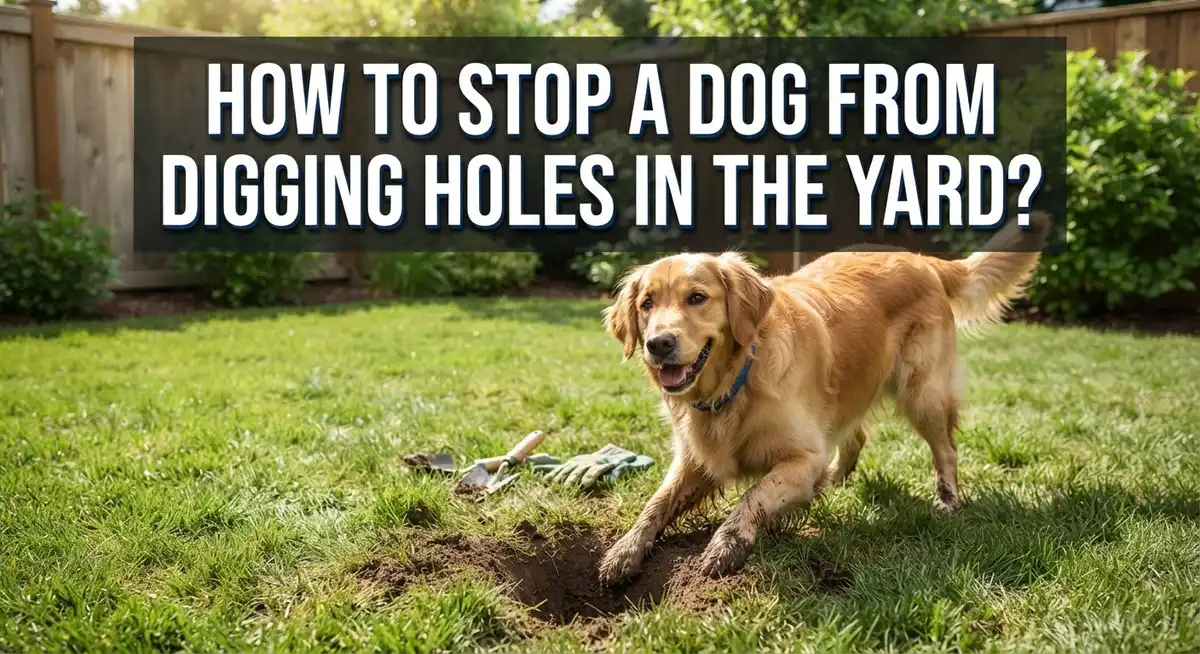
How To Stop A Dog From Digging Holes In The Yard?
Does your yard look like a construction site? If your dog loves digging holes, you are not alone.
Many dog owners face this same messy problem. Your lawn gets ruined, and your dog gets dirty paws every single day.
The good news? Digging is not bad behavior. It is simply your dog’s way of telling you something.
Dogs dig because of unmet needs. They might feel bored, anxious, hot, or full of extra energy.
Understanding why your dog digs is the first step to solving this puzzle. Once you know the cause, you can find the right fix.
In a Nutshell
- Boost daily exercise. Take your dog for two walks a day. Add active play like fetch to burn extra energy.
- Give a digging zone. Set up a sandbox or dig pit. Bury toys and treats inside to make it fun.
- Catch the act. If you see your dog digging in the wrong spot, say “no” calmly. Guide them to the approved area right away.
- Praise good digging. When your dog uses the dig pit, reward them with treats and praise. This builds a happy habit fast.
- Add mental stimulation. Teach new tricks or commands. A tired brain digs less than a bored one.
- Check comfort needs. Make sure your dog has shade and cool water. Heat can trigger digging too.
Why Dogs Dig: Understanding the Root Causes
Dogs dig for many different reasons. Understanding these reasons helps you fix the problem effectively. Your dog is not being stubborn or destructive on purpose. Instead, your pup is trying to meet a real need.
Physical exercise needs drive a lot of digging behavior. Dogs with excess energy must release that energy somehow. Digging becomes an outlet when your dog does not get enough activity. A tired dog is a well behaved dog. This is why walks and playtime matter so much.
Boredom and mental stimulation also trigger digging. Dogs need to use their brains, not just their bodies. A dog left alone in the yard all day will find ways to entertain itself. Digging is fun and engaging for your pup. It keeps their mind busy and their paws active.
Temperature control is another key reason. Dogs dig to find cool soil on hot days. They also dig to create shelter or escape harsh weather. If your yard lacks shade or water, your dog may dig to stay comfortable.
Anxiety and stress can cause digging too. Some dogs dig when they feel nervous or scared. Changes in the home, loud noises, or separation from you might trigger this behavior.
Natural instincts play a role as well. Certain breeds have a stronger urge to dig. Terriers, dachshunds, and other hunting breeds dig by nature. This is hardwired into their DNA.
Seeking attention is also possible. If digging gets a reaction from you, your dog may keep doing it. Even negative attention can reinforce the behavior.
The key is identifying which reason applies to your dog. Does your pup lack exercise? Is your dog bored? Is the yard too hot? Once you know the cause, you can address it directly. This makes stopping the digging much easier and faster.
Boost Exercise and Mental Stimulation to Curb Digging
A tired dog is a well behaved dog. When your pup doesn’t get enough physical activity, digging becomes an outlet for that pent up energy. Start by increasing daily walks to at least twice per day. Aim for 20 to 30 minutes each session, depending on your dog’s age and breed.
Active play sessions matter just as much as walks. Throw a ball, toss a frisbee, or play fetch in an open space. These activities burn energy fast and keep your dog engaged. Even 15 minutes of intense play can make a real difference in reducing unwanted digging.
Mental stimulation works alongside physical exercise to tire out your dog’s brain. A mentally exhausted dog has less motivation to dig. Teach your pup new commands or tricks like sit, down, stay, or come. Practice these skills for 10 to 15 minutes daily. Each training session counts as mental work.
Long lasting chew toys also provide mental engagement. Give your dog something to work on for extended periods. This keeps their mind occupied and redirects their focus away from digging.
Puzzle toys and treat dispensing toys are excellent options too. Your dog must figure out how to access the treats inside. This type of problem solving keeps their brain sharp and busy.
Combine these activities throughout your day. Morning walks plus midday playtime plus evening training sessions create a balanced routine. Your dog will feel more satisfied and less driven to dig.
Remember that consistency matters most. Stick with increased exercise and mental stimulation for at least two to three weeks before expecting major changes. Some dogs need longer to break the digging habit. Track what works best for your individual dog and adjust as needed.
Step-by-Step: Creating a Designated Digging Zone
Creating a designated digging zone gives your dog a legal place to dig. This approach works because it redirects natural instincts rather than punishing them.
Start by choosing a spot in your yard that’s away from your garden and flower beds. A corner or side area works best. Make sure the space gets some shade during hot parts of the day.
Build or set up a sandbox, dig pit, or raised bed in this zone. You can use wood frames, plastic containers, or simple fenced areas. Fill it with soft soil, sand, or a mix of both. Dogs prefer loose materials that move easily when they dig.
Bury toys, treats, and chew items in the designated zone. This makes the spot irresistible to your dog. Place bones, rubber toys, or puzzle toys just under the surface so your dog discovers them while digging.
When your dog digs in the approved area, reward them immediately. Use praise, treats, and enthusiastic encouragement. Say things like “yes, dig here” or “good dig.” Consistency matters because your dog learns what behavior earns rewards.
If you catch your dog digging in the wrong spot, calmly say “no” and guide them to the designated zone. Reward them as soon as they dig there instead.
Visit the dig pit together during playtime. Show your dog what’s buried inside. Make it a fun activity you do together, not something they discover alone.
Refresh the zone regularly by burying new items and adding fresh soil. A boring dig pit loses appeal quickly. Change what you bury every few days to keep your dog interested.
This method works because it satisfies your dog’s digging urge while protecting your yard. Most dogs adapt to this system within two to three weeks with consistent training and rewards.
Redirecting and Reinforcing Good Digging Habits
Your dog’s digging habit is actually a normal behavior. The best approach is to work with this instinct rather than against it. Redirecting your dog means guiding them toward appropriate digging outlets while reinforcing good choices through rewards.
The foundation of success is consistency. Every time you catch your dog digging in an unapproved spot, redirect them calmly to the designated dig zone. Use a simple command like “dig here” to help them understand where digging is welcome.
Timing matters greatly when reinforcing good habits. Praise and treat your dog immediately after they dig in the correct location. This connection between action and reward helps them learn faster. Use high value treats that your dog loves most.
Make the designated dig area more appealing than problem spots in your yard. Bury interesting items like toys, chews, and treats regularly. Rotate these items to keep the zone fresh and exciting. Your dog will naturally gravitate toward the more rewarding location.
Combine redirection with increased physical activity. A dog with pent up energy will dig more frequently. Two daily walks plus active play sessions reduce the urge to dig significantly. This tired dog approach works because exercise addresses the root cause.
Mental stimulation is equally important. Teach new commands, play games, and rotate puzzle toys. These activities engage your dog’s brain and reduce boredom driven digging. Spend 10 to 15 minutes daily on training or play.
Stay patient throughout this process. Behavior change takes time, usually two to four weeks of consistent effort. Some dogs respond faster while others need longer. Track your progress by noting digging incidents each week.
Avoid punishment or yelling when you find old holes. Your dog won’t connect past digging with current consequences. Focus instead on catching the behavior in action and redirecting immediately. Positive reinforcement builds better habits than fear based responses ever will.
Natural and Commercial Deterrents That Discourage Digging
Natural deterrents work by making certain yard areas less appealing to your dog. These options use scents and tastes that dogs find unpleasant, which can discourage them from returning to problem spots.
Cayenne pepper and black pepper are effective options you can sprinkle directly into holes or around garden beds. Dogs dislike the strong smell and taste. Reapply after rain or watering since moisture reduces effectiveness.
Vinegar solutions deter many dogs due to their sharp odor. Mix equal parts white vinegar and water in a spray bottle. Spray this mixture around areas where your dog digs most often.
Citronella has a citrus scent that repels many dogs. You can find citronella in various forms designed for outdoor use. Apply it to problem areas following the product instructions.
Coffee grounds provide another natural option. Dogs often dislike the strong coffee smell. Spread used grounds around your yard, though they may need frequent reapplication.
Commercial deterrent products offer convenient alternatives to natural solutions. These typically come as sprays, granules, or stakes you place in the yard. Most work by releasing scents dogs find disagreeable.
Important note: Deterrents work best when combined with other strategies. Using pepper alone won’t solve the problem if your dog lacks exercise or mental stimulation.
Test any deterrent on a small area first. Some dogs respond better to certain scents than others. Your dog’s individual preferences matter.
Reapply deterrents regularly, especially after rain or yard watering. Weather reduces their effectiveness over time.
Remember that deterrents are most effective as part of a complete approach. Pair them with a designated dig zone, increased exercise, and positive reinforcement. This combination addresses both the symptom and the underlying causes of digging behavior.
Common Mistakes That Make Digging Worse
Many dog owners accidentally make digging worse by responding the wrong way. Understanding these mistakes helps you avoid them.
Punishing without offering an alternative is the biggest mistake. Your dog digs for real reasons like boredom, excess energy, or anxiety. When you yell or scold your dog after finding holes, your dog doesn’t learn what TO do instead. Your dog only learns to hide the behavior or dig when you’re not watching. This creates sneaky diggers who dig faster and in more places.
Ignoring exercise needs fuels the digging problem. Dogs with pent up energy will dig to burn calories and release stress. A tired dog is far less likely to dig. If your dog only gets one short walk per day, digging becomes entertainment. Your dog needs daily activity that actually exhausts them.
Leaving the problem area accessible sets your dog up to fail. If your dog loves digging near the fence, don’t expect them to stop just because you asked. Block access to that spot with fencing or plant barriers. Out of sight means out of mind for most dogs.
Skipping mental stimulation is another common error. Physical exercise alone isn’t enough. Your dog’s brain needs puzzles, training sessions, and interactive play. A mentally bored dog will dig to solve the boredom problem.
Forgetting environmental factors matters too. Dogs dig to cool down when hot. They dig to escape discomfort. Make sure your dog has shade, fresh water, and a cool spot to rest. Some dogs dig because they’re uncomfortable, not because they’re misbehaving.
Inconsistent responses confuse your dog. If you sometimes allow digging in one spot and sometimes don’t, your dog gets mixed messages. Everyone in your household must follow the same rules.
The key is combining prevention, redirection, and exercise rather than punishment alone.
Troubleshooting: When Digging Persists Despite Your Efforts
Sometimes your dog keeps digging even after you’ve tried everything. This happens more often than you’d think. The good news is that persistent digging usually signals one specific problem: your dog isn’t getting enough of what they need.
The first step is to honestly assess your dog’s daily routine. Most dogs need at least two walks per day, plus active play sessions. If your dog is only getting one short walk, that’s likely your answer. Increase exercise gradually over a week or two and watch for changes in digging behavior.
Mental stimulation matters just as much as physical exercise. A bored dog will dig even in a tired body. Teach new commands, play puzzle games, or try nose work activities where your dog searches for hidden treats. These activities tire out the brain, which reduces digging urges significantly.
If digging persists after increasing exercise and enrichment, check for medical issues. Excessive digging can signal anxiety, skin problems, or parasites. A veterinary visit rules out health concerns that might drive the behavior.
Environmental factors deserve attention too. Dogs dig to cool off in hot weather or to escape uncomfortable conditions. Make sure your dog has shade, fresh water, and a comfortable resting spot in the yard. Some dogs dig because they’re stressed or anxious about something specific in the yard.
Finally, examine your consistency. Mixed messages confuse dogs. If one family member redirects digging but another ignores it, your dog won’t understand the rules. Everyone in your household must respond the same way every single time.
Persistent digging usually means you need to adjust your approach rather than try harder with the same method. Take a step back, identify what’s missing from your dog’s day, and address that root cause directly.
Final Thoughts
Stopping your dog from digging holes takes time and patience. You cannot expect overnight results.
Most dogs dig because they have unmet needs. They need more exercise, more mental work, or a proper outlet for this natural instinct.
Your success depends on addressing the root cause. A tired, stimulated dog has less reason to dig up your yard.
Start with the basics first. Increase daily walks and playtime. Add puzzle toys and training sessions to tire your dog’s mind.
Next, give your dog a legal place to dig. A sandbox or dig pit satisfies this urge without ruining your lawn.
Reward good choices consistently. When your dog digs in the approved zone, praise happens immediately. This teaches your dog where digging is welcome.
Use deterrents on problem areas only as backup support. They work best alongside exercise and redirection, not instead of them.
Watch for patterns in your dog’s behavior. Note when and where digging happens most. This helps you spot triggers like boredom, heat, or anxiety.
Remember that consistency matters more than perfection. Every family member should follow the same rules and responses.
If one method fails, try another approach. Some dogs respond better to extra exercise. Others need more mental challenges or environmental changes.
Never punish your dog for old holes. This only creates fear and confusion, not better behavior.
Stay calm and patient throughout the process. Digging habits often take weeks to change fully.
With the right mix of exercise, redirection, and rewards, you can protect your yard. Your dog gets to keep digging happily in a spot that works for everyone.
Small, consistent efforts add up over time. Soon you will see fewer holes and a happier, more satisfied dog in your yard.
Frequently Asked Questions
Why does my dog dig holes in the first place?
Dogs dig for several reasons. Boredom and excess energy top the list. Your dog may also dig to cool off on hot days or to create a safe den-like space. Some dogs dig because they’re hunting for small animals or simply following their natural instincts. Understanding the reason helps you pick the right solution.
Can I use deterrents to stop digging?
Yes, deterrents can work as part of your overall plan. Cayenne pepper, vinegar, and citronella are common options. These make the digging spot unpleasant without hurting your dog. However, deterrents alone won’t solve the problem. You still need to increase exercise and provide a proper dig outlet. Combine deterrents with other strategies for best results.
What’s the fastest way to fix this behavior?
There’s no instant fix, but you can see progress in weeks. Start by adding a second daily walk and active play sessions. Next, create a designated dig area like a sandbox or pit. Bury toys and treats inside to make it appealing. When your dog digs in the approved spot, praise them immediately. This combination works faster than any single approach.
How do I know if my dog needs a vet visit?
If digging suddenly increases or changes pattern, a vet check makes sense. Medical issues like allergies or parasites can trigger excessive digging. Your vet can rule out health problems and give you peace of mind. This step matters especially if your dog seems anxious or obsessive about digging.
Should I fill the holes my dog already dug?
Yes, fill existing holes with soil to prevent reuse. Your dog may keep returning to favorite spots. After filling, apply a deterrent if needed. Prevent access to problem areas through fencing or supervision while you work on the root causes.

Hi, I’m Liza — pet lover, lifelong animal enthusiast, and the voice behind Liza4Pets. I created this space to share honest, practical pet care advice for fellow pet parents who want the best for their furry (and not-so-furry) companions.