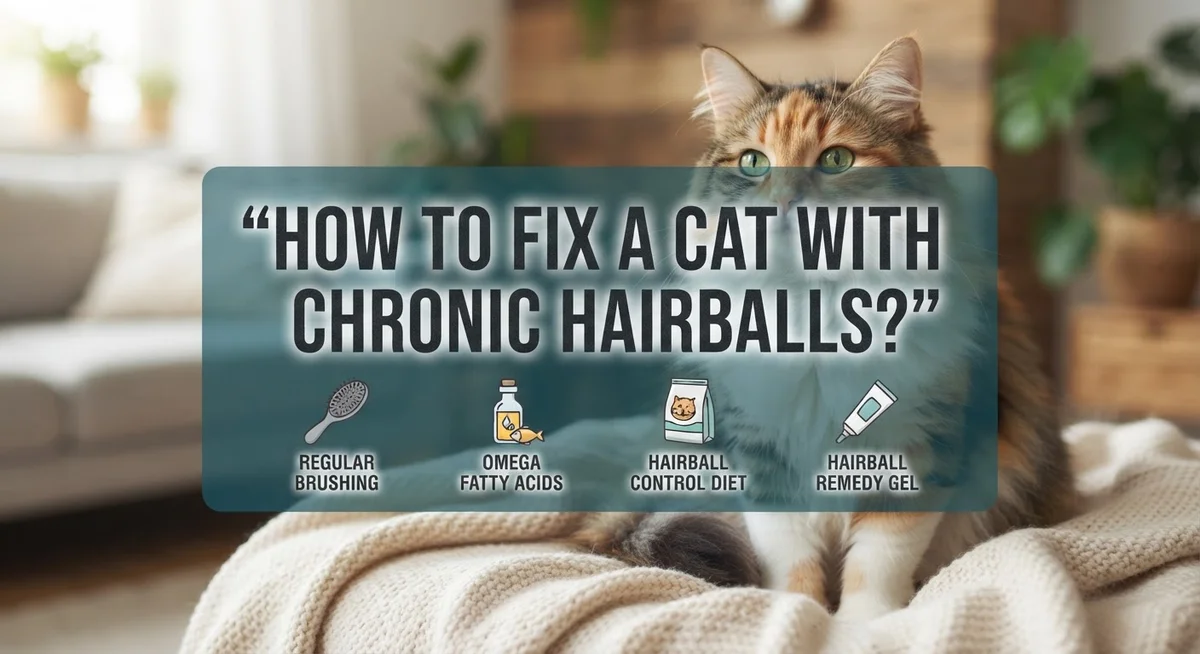
How To Fix A Cat With Chronic Hairballs?
Does your cat cough up hairballs all the time? You are not alone. Many cat owners deal with this messy problem often.
Hairballs form when your cat swallows loose fur during grooming. A hairball here and there is normal. But frequent hairballs mean something needs to change.
Chronic hairballs can point to a bigger issue. Your cat’s skin, coat, or digestion might need attention. Ignoring the problem will not make it go away.
The good news? You can fix this. Simple changes to grooming and diet often solve the problem. In some cases, your cat may need help from a vet.
In a Nutshell
- Brush your cat often. This removes loose fur before your cat swallows it. Less fur means fewer hairballs.
- Switch to a hairball control food. These foods help fur pass through your cat’s gut easily. Indoor cat formulas also work well.
- Skip the fiber boost. Adding fiber sounds helpful, but it can actually make hairballs worse. Stick to foods made for this specific problem.
- Try coat clipping for bad cases. A shorter cut, like a lion cut, means less fur to swallow. Ask your vet if this fits your cat.
- Use hairball remedies with care. Over the counter products can help move fur through your cat’s system. Always follow the instructions on the label.
- See your vet for frequent hairballs. Chronic cases often need more than home care. A vet can check for blockages or other health issues.
- Watch for red flags. Vomiting, appetite loss, or lethargy need quick attention. Large hairballs can sometimes need surgery to remove.
What Causes Chronic Hairballs in Cats
Your cat swallows loose fur every single day during grooming. This is completely normal. However, when your cat vomits up hairballs frequently, something is off.
Most hairballs form because your cat sheds too much fur. Long haired cats are especially prone to this issue. Indoor cats groom themselves more often than outdoor cats, so they ingest more hair overall. The fur builds up in their stomach and digestive tract.
Some cats have naturally sensitive stomachs. Their digestive systems struggle to move hair through properly. This causes the hair to clump together and come back up as a hairball.
Skin problems also trigger chronic hairballs. If your cat has allergies, fleas, or dry skin, they will groom excessively. Extra grooming means extra fur ingestion. The more your cat licks themselves, the more hairballs they will produce.
Dietary issues play a role too. Low quality food can lead to poor coat health. A weak coat sheds more readily. Your cat then ingests more loose fur during normal grooming sessions.
Age matters as well. Senior cats often develop hairball problems because their digestion slows down. Younger cats usually pass hair through their system more easily.
Stress and anxiety can increase grooming behavior in cats. When cats feel anxious, they groom themselves more frequently as a self soothing habit. This extra licking leads to more hair swallowing.
The key point is this: chronic hairballs signal an underlying cause. It is not just bad luck. Something about your cat’s grooming habits, coat health, digestion, or overall health needs attention. Identifying the root cause helps you fix the problem permanently.
When Hairballs Signal a Bigger Problem
Chronic hairballs often signal something deeper than simple grooming. Your cat may be dealing with a health issue that needs attention. Understanding these warning signs helps you act fast.
Excessive grooming behavior frequently points to skin problems. Allergies, fleas, or dry skin cause itching. Your cat licks and grooms more than usual to find relief. This increased grooming leads to more fur ingestion and hairballs. If your cat scratches constantly, hairballs may be the symptom, not the main problem.
Digestive issues also hide behind chronic hairballs. Some cats have sensitive stomachs that struggle to process hair. Their digestive system cannot move hair through smoothly. This creates a backup of hairballs rather than normal elimination. Your vet can identify digestive weakness through examination.
Stress and anxiety trigger excessive grooming too. Cats groom when nervous or uncomfortable. Changes in your home, new pets, or schedule shifts stress your cat. More grooming means more hairballs appear. Calming your cat’s environment may reduce the problem.
Age plays a role as well. Older cats groom differently and may have weaker digestion. Younger cats with frequent hairballs need investigation.
The critical point: frequent hairballs mean your cat needs veterinary evaluation. Home brushing and diet changes help, but they are not enough for chronic cases. Your vet checks for skin disease, digestive problems, or other conditions. They may recommend blood work or skin tests.
Ignoring chronic hairballs can lead to blockages. Hairballs can become large enough to obstruct your cat’s intestines. This situation requires surgery. Catching the underlying problem early prevents serious complications. Schedule a vet visit when hairballs happen more than once monthly.
Step-by-Step: Building a Hairball Prevention Routine
Building a hairball prevention routine starts with daily or every other day brushing. This removes loose fur before your cat swallows it during grooming. Use a brush or comb suited to your cat’s coat length. Spend just five to ten minutes each session. Your cat will enjoy the attention, and you’ll catch loose hair before it becomes a problem.
Next, switch your cat’s food to a hairball control formula. These foods contain special ingredients that help move hair through the digestive system more easily. They also reduce shedding in many cases. Ask your veterinarian which formula works best for your cat’s age and health status.
Add a grooming session to your daily routine. Pick a time when your cat is relaxed, like after a meal or playtime. Make it part of your normal schedule so both you and your cat expect it. Consistency matters more than perfection here.
Monitor your cat’s litter box and behavior closely. Track how often hairballs appear. Write down the dates and any changes you notice. This information helps your vet identify patterns or underlying issues.
Keep your home humidity at a healthy level. Dry air worsens skin irritation and triggers excessive grooming. A humidifier in winter months can help significantly.
Finally, reduce stress in your cat’s environment. Provide scratching posts, climbing spaces, and quiet areas where your cat can relax. Stress reduction naturally decreases grooming behavior.
This routine takes just minutes daily but prevents major problems. You will notice improvement within two to three weeks in most cases. Stay patient and consistent with these steps.
Dietary Changes That Help Reduce Hairballs
Your cat’s diet plays a major role in reducing hairballs. When you switch to the right food, you give your cat’s digestive system the tools it needs to process hair more effectively.
Hairball control formulas work by promoting better digestion. These foods contain ingredients that help move hair through your cat’s system instead of letting it clump in the stomach. The formula also tends to be easier on sensitive digestive systems.
Indoor cat formulas offer another option. Since indoor cats often groom more frequently due to stress or boredom, these foods address their specific needs. They support coat health while making digestion smoother.
Make dietary changes gradually over 7 to 10 days. Mix increasing amounts of the new food with the old food. Sudden changes upset your cat’s stomach and cause vomiting or diarrhea, which defeats your purpose.
Pay attention to your cat’s protein intake. Cats need high quality protein to maintain healthy skin and fur. When their skin is healthier, they groom less excessively and swallow less loose hair.
Wet food can help too. It adds moisture to your cat’s diet and aids digestion. Some cats respond better to wet formulas than dry kibble alone.
Skip adding extra fiber to your cat’s meals. This common mistake actually makes hairballs worse. High fiber foods can cause blockages and digestive upset in cats.
Watch your cat’s litter box after making dietary changes. You should see improvements within 2 to 3 weeks. If hairballs continue despite diet changes, your vet needs to rule out underlying health issues like allergies or digestive disorders.
Grooming Techniques to Minimize Fur Ingestion
Regular brushing removes loose fur before your cat swallows it. This is the most effective way to stop hairballs before they form. Brush your cat daily or every other day, depending on coat length and shedding.
Long haired cats need more frequent brushing than short haired cats. Use a slicker brush or metal comb to reach the undercoat where loose fur collects. Spend just five to ten minutes per session. Your cat will enjoy the attention and you’ll remove significant amounts of fur.
Start grooming sessions when your cat is calm and relaxed. Many cats respond better to brushing during quiet times. Some cats prefer grooming after meals or playtime. Pay special attention to areas behind the ears, under the belly, and along the tail where mats form easily.
For cats that resist brushing, try a grooming glove instead. These gloves let your cat feel like you’re petting them while you remove loose fur. Gradually increase grooming time as your cat becomes comfortable.
Severe cases may require professional grooming or trimming. A lion cut or similar style removes excess fur from the body while leaving fur on the head and tail. This dramatic trim helps cats with very thick coats or those prone to matting.
Bathing your cat occasionally also helps remove loose fur. Most cats dislike water, so use lukewarm water and work quickly. Dry your cat thoroughly afterward to prevent skin issues.
Consistent grooming reduces the amount of fur your cat ingests during self grooming. This single habit prevents most hairball problems from developing. Combine regular brushing with dietary changes for the best results in managing chronic hairballs.
Common Mistakes That Make Hairballs Worse
Many cat owners accidentally make hairball problems worse without realizing it. Understanding these mistakes helps you protect your cat’s health.
Adding too much fiber is a major error. Some people think extra fiber helps hairballs pass through the digestive system. The opposite actually happens. Excessive fiber can slow digestion and create more blockages. Your cat’s stomach works best with balanced nutrition, not fiber overload. Always consult your veterinarian before changing your cat’s fiber intake.
Relying only on home treatments delays necessary care. Occasional hairballs are normal. Chronic hairballs signal a real problem that needs professional evaluation. Many owners wait too long before seeing a vet, hoping the issue resolves itself. This approach risks serious complications like intestinal blockages that require emergency surgery.
Skipping regular grooming encourages more hairballs. Some owners brush their cats only when they see matted fur. By then, your cat has already ingested loose hair for weeks. Consistent grooming removes fur before your cat swallows it during self grooming.
Ignoring dietary needs leaves the problem unsolved. Switching to any random cat food won’t help. Your cat needs food specifically formulated for hairball control or indoor cats. These formulas promote healthy digestion and coat quality.
Overlooking stress and environmental factors matters too. Stressed cats groom excessively, ingesting more fur. Poor humidity levels dry out skin and fur, causing more shedding. These factors combine to worsen hairball frequency.
The key point: address multiple causes simultaneously. Grooming alone won’t fix the problem. Diet alone won’t either. Combining regular brushing, proper nutrition, and veterinary guidance gives your cat the best chance at relief. If hairballs persist despite your efforts, professional medical evaluation becomes essential.
Troubleshooting Persistent or Severe Cases
When your cat’s hairballs persist despite home care efforts, you’re facing a situation that demands professional attention. Chronic hairballs signal that prevention alone isn’t working, and waiting longer only risks serious complications.
Your first step is scheduling a veterinary visit. Your vet will examine your cat and may recommend imaging to check for blockages or other digestive issues. Some cats develop hairballs so large they obstruct the intestines, requiring immediate medical intervention or surgery. This is why persistent cases need professional evaluation rather than continued home treatment.
Your vet can prescribe hairball products or laxatives specifically formulated for your cat’s needs. These work differently than over-the-counter options and address your cat’s unique situation. Medications work best when combined with the dietary and grooming changes you’ve already started.
Watch for warning signs that indicate an emergency. If your cat stops eating, vomits repeatedly, seems lethargic, or shows signs of constipation, contact your vet immediately. These symptoms suggest a blockage that needs urgent care.
For severe chronic cases, your vet might recommend professional grooming services that remove excess fur more effectively than home brushing. Some cats benefit from regular coat trimming to reduce the amount of loose hair available for ingestion.
Keep detailed records of your cat’s hairball frequency, grooming routine, and diet changes. Share this information with your vet. It helps them understand your cat’s pattern and adjust treatment accordingly.
Don’t assume your cat will outgrow chronic hairballs. With professional guidance, most cats improve significantly. Your vet creates a treatment plan tailored to your cat’s specific needs, combining medical support with lifestyle adjustments for lasting results.
When to See a Veterinarian
Your cat needs veterinary care when hairballs become frequent or cause distress. Occasional hairballs are normal, but chronic ones signal an underlying issue that home remedies alone cannot fix.
Schedule a vet visit if your cat vomits hairballs more than once or twice monthly. Your veterinarian can examine your cat’s digestive system and rule out blockages or other health problems. They may perform imaging tests to check for obstructions in the stomach or intestines.
Watch for emergency warning signs that require immediate attention. If your cat stops eating, acts lethargic, or shows signs of pain, seek emergency care right away. Blocked hairballs can become life threatening, so don’t wait if your cat seems seriously ill.
Your vet can also identify whether allergies, skin conditions, or excessive grooming behaviors contribute to the problem. Some cats groom excessively due to stress, anxiety, or medical issues like parasites or skin irritation. Addressing the root cause matters more than treating hairballs alone.
During your appointment, bring records of your cat’s hairball frequency and any dietary changes you’ve made. Tell your vet about your grooming routine and your cat’s behavior. This information helps them understand the full picture.
Your veterinarian may recommend prescription hairball products, digestive enzymes, or dietary changes tailored to your cat’s specific needs. They might suggest professional grooming services for severe cases. In rare situations where hairballs cause complete blockages, surgery becomes necessary.
Don’t delay seeking professional help if your cat continues struggling with hairballs after implementing home care strategies. Your vet provides solutions that go beyond what you can manage independently.
Final Thoughts
Chronic hairballs need a mix of good habits and smart care. Brushing your cat every day removes loose fur before your cat swallows it.
Diet matters too. A hairball formula food supports healthy digestion and coat condition. This helps fur pass through your cat’s system instead of forming clumps.
Small changes add up fast. Regular grooming sessions plus the right food often reduce hairball frequency within a few weeks.
Some cats need extra help beyond basic care. Severe shedders may benefit from a shorter coat trim during warmer months. This cuts down on the fur your cat ingests while grooming.
Watch your cat’s habits closely. Excessive licking or grooming can signal stress or skin issues. Both problems make hairballs worse over time.
Never ignore frequent vomiting. If hairballs show up weekly or your cat seems uncomfortable, professional care becomes necessary. Home remedies alone will not fix an underlying medical issue.
Your vet plays a key role here. They can check for allergies, digestive problems, or other health conditions causing excess grooming or poor fur passage.
Think of hairball control as an ongoing process. What works for one cat may need adjustment for another. Stay patient and track your cat’s progress over time.
Consistency beats quick fixes. Cats respond best to steady routines rather than sudden changes. Small daily efforts build lasting results.
With the right combination of brushing, diet, and veterinary support, most cats see real improvement. Chronic hairballs do not have to be a permanent struggle.
Your cat deserves comfort and good health. Taking action now prevents bigger problems later. A little effort each day makes a real difference for your feline friend.
Frequently Asked Questions
Why does my cat keep coughing up hairballs?
Cats groom themselves constantly. During grooming, they swallow loose fur. This fur builds up in their stomach and forms hairballs. Most cats vomit up a hairball occasionally. However, frequent hairballs mean something needs to change.
Chronic hairballs signal that your cat ingests too much loose fur. Regular brushing removes this fur before your cat swallows it. Without proper grooming, the problem gets worse over time.
Can diet changes really help with hairballs?
Yes. Switching to hairball formula food makes a real difference. These foods contain ingredients that help your cat digest hair more easily. They also support healthy coat condition, which reduces shedding.
Indoor cat formulas work well too. They’re designed for cats that spend most time indoors and groom more frequently. Some cats respond quickly to dietary changes. Others need several weeks to show improvement.
Is increased fiber good for hairball prevention?
No. Adding more fiber can actually make the problem worse for some cats. This common mistake backfires when owners try to help at home. Your veterinarian can recommend the right approach for your specific cat.
What should I do if my cat seems to have a hairball stuck?
Contact your vet right away. Signs include repeated unproductive gagging, loss of appetite, or lethargy. A stuck hairball can become dangerous. Your vet will determine if medication or other treatment is needed.
How often is too often for hairballs?
Once or twice monthly signals a problem. Your cat shouldn’t vomit hairballs regularly. When hairballs happen frequently, professional evaluation becomes essential. Your vet can identify underlying causes and create a treatment plan that works.

Hi, I’m Liza — pet lover, lifelong animal enthusiast, and the voice behind Liza4Pets. I created this space to share honest, practical pet care advice for fellow pet parents who want the best for their furry (and not-so-furry) companions.