How To Stop Aquarium Snails From Overpopulating?
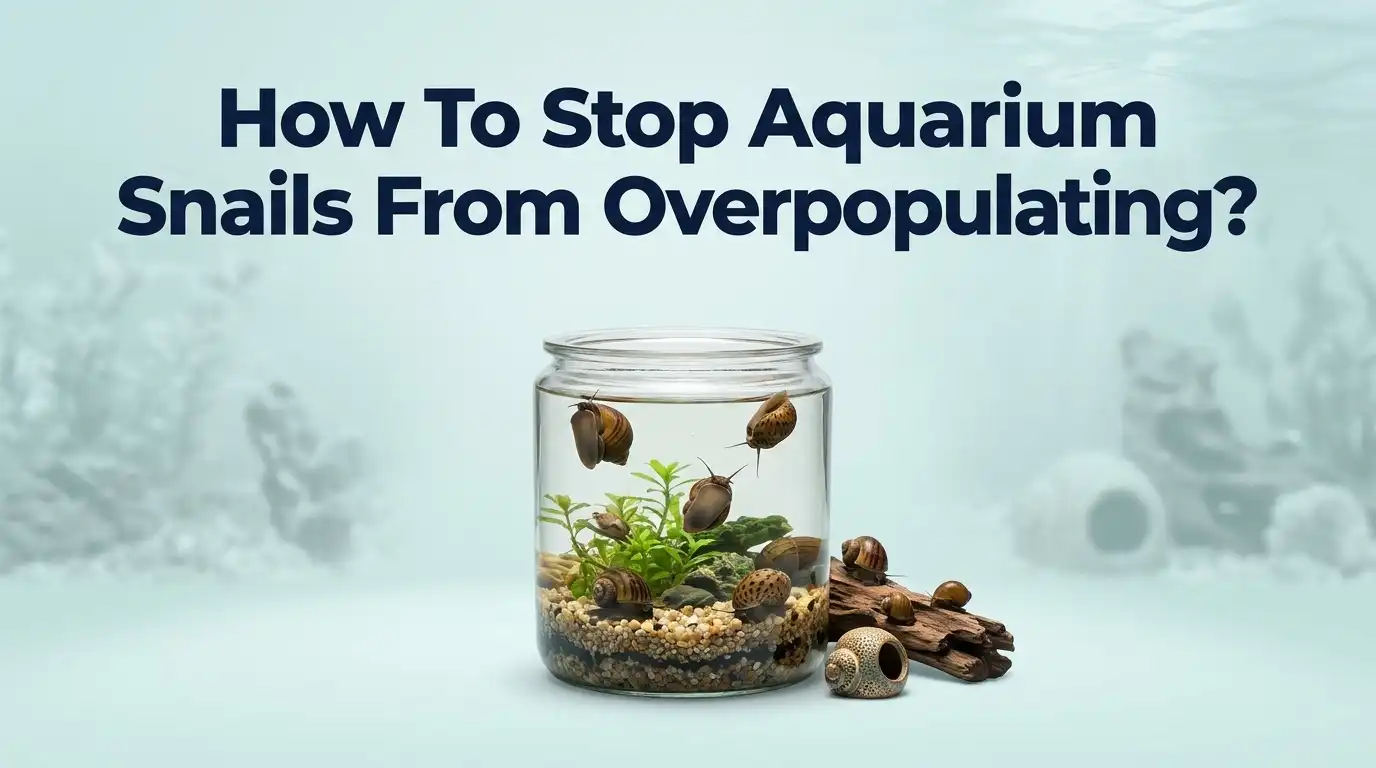
Snails can turn your fish tank into a crowded mess overnight. One day you see a few tiny shells on the glass. A week later, they cover every surface in your aquarium.
This population boom happens fast. Snails breed quickly when conditions favor them. Excess food and dirty water create the perfect environment for their numbers to explode.
The good news? You can fix this problem without harming your fish or plants.
This guide shows you simple, proven steps to control snail populations. You will learn why overfeeding causes most snail explosions. We cover the right feeding schedule for your fish.
You will also discover how water changes and gravel vacuuming keep snail numbers low. We explain manual removal methods and snail traps that actually work.
In a Nutshell
- Cut back on food first. Overfeeding is the top cause of snail booms. Feed fish only what they eat in 3 to 5 minutes, 3 to 4 times a week.
- Clean your tank often. Do a 50% water change every week. This removes leftover food and snail eggs before they hatch.
- Vacuum the gravel regularly. Trapped food bits under the gravel feed snails quietly. A good vacuum session clears this out fast.
- Remove snails by hand. Pick off visible snails whenever you spot them. This keeps numbers from climbing while other methods work.
- Try snail traps too. Traps catch snails overnight without harming fish or plants. Check and empty them each morning.
- Give it time. Most tanks show real improvement within 1 to 2 weeks. Stick with reduced feeding and cleaning for lasting results.
Small daily habits make the biggest difference here. Stay consistent and your tank will balance out naturally.
Why Snail Populations Explode in Aquariums
Snail populations explode in aquariums because of one simple reason: too much food. When you overfeed your fish, leftover food sinks to the bottom and decays. Snails eat this excess food and reproduce rapidly in response.
Think of it this way. Snails are nature’s cleanup crew. They thrive when food is abundant. More food means more energy for snails to lay eggs and multiply. A single snail can produce hundreds of offspring in just weeks when conditions are perfect.
Overfeeding happens more often than you think. Most aquarium keepers feed their fish too much, too often. Fish only need small amounts of food they can consume in 3 to 5 minutes. Anything beyond that becomes snail fuel.
Excess food also creates another problem. It decays and produces ammonia, which snails actually prefer. Higher ammonia levels trigger snail reproduction even more. It’s a cycle that feeds itself.
Poor tank maintenance speeds up the explosion too. When you skip water changes or don’t vacuum the gravel, dead food particles accumulate. Snails find endless meals hiding in the substrate. They multiply because their food source never runs out.
Some plants also contribute to the problem. Certain aquatic plants rot easily and provide extra nutrition for snails. Dead plant matter becomes snail buffets.
The calcium content in your water matters as well. Snails need calcium to build their shells. Hard water with high calcium levels supports faster snail growth and reproduction.
Understanding these causes helps you take action. The good news is that reversing these conditions stops the population boom quickly. Focus on feeding less and cleaning more, and your snail problem shrinks within days.
Adjusting Your Feeding Routine to Curb Overpopulation
Your feeding routine is the single most important factor in controlling snail populations. Overfeeding directly causes snail explosions because excess food provides the nutrients snails need to reproduce rapidly.
Start by feeding your fish only what they consume in 3 to 5 minutes. This simple rule prevents leftover food from sinking to the bottom where snails feast on it. Feed your fish 3 to 4 times per week instead of daily. Many aquarium keepers think daily feeding is necessary, but it actually creates the perfect environment for snail breeding.
Watch your fish during feeding time. If food remains in the tank after 5 minutes, you are feeding too much. Remove any uneaten food immediately with a small net. This prevents decay and eliminates snail food sources.
Monitor portion sizes carefully. Use a small spoon or pinch method rather than pouring food directly from the container. This gives you better control over how much enters the tank each time.
Reduce feeding gradually over one week. Your fish will adjust without stress. Within 1 to 2 weeks of proper feeding, you will notice snail population growth slowing significantly.
Track your feeding schedule in a simple log. Write down what time you feed and how much. This helps you stay consistent and prevents accidental overfeeding on busy days.
Combine reduced feeding with weekly 50% water changes and regular gravel vacuuming. These practices work together to starve the snail population. The key is consistency. Small daily habits create the biggest results over time. Your tank will return to balance when food becomes limited.
Step-by-Step Water Change and Tank Cleaning Schedule
A consistent water change and tank cleaning schedule forms the backbone of snail control. This routine removes excess nutrients that fuel snail reproduction and keeps your tank environment stable.
Start with a 50% water change every single week. This practice removes dissolved waste and uneaten food particles that snails feed on. Set a specific day, like Saturday morning, so you don’t forget.
During each water change, use a gravel vacuum to clean the substrate thoroughly. Snails hide under gravel and feed on trapped food bits. Vacuuming removes this hidden food source and disrupts their breeding cycle.
Work methodically through your tank. Start at one corner and move across the bottom. Pay special attention to areas under decorations and plants where debris collects.
Change 50% of the water, not more. Removing too much water stresses fish and plants. Replace it with water at the same temperature to avoid shocking your aquarium inhabitants.
Clean your filter every two weeks. A dirty filter allows excess nutrients to accumulate, which indirectly supports snail populations. Rinse filter media in old tank water, never tap water, to preserve beneficial bacteria.
Wipe down tank glass and decorations monthly. Algae buildup provides extra food for snails. A clean tank means fewer food sources available.
Stick to this schedule without fail. Most aquariums show real improvement within 1 to 2 weeks of consistent maintenance. The combination of weekly water changes, regular gravel vacuuming, and filter cleaning creates an environment where snail populations naturally decline. These simple habits require just 30 minutes weekly but deliver powerful results.
Manual Removal Techniques and Snail Trap Setup
Manual removal works best when you catch snails early and stay consistent. Walk around your tank daily and pick out any snails you see. Use a small net or your fingers to grab them gently. Place removed snails in a separate container. This prevents them from crawling back into your tank at night.
Snail traps are passive tools that do the work while you sleep. They use food as bait to attract snails inside. Most traps have a one way entrance that lets snails in but makes escape difficult. Set your trap in the evening near areas where snails gather. Check it each morning and remove any snails you find.
You can make a simple trap at home using basic supplies. A small container with food inside works just fine. Cut a small hole in the side just large enough for snails to enter. Snails smell food and crawl inside overnight. This method catches many snails without harming your fish or plants.
The key is combining manual removal with traps for faster results. Don’t rely on just one method alone. Remove visible snails by hand during the day. Set traps at night to catch hidden ones. Empty traps every morning before your fish wake up.
Timing matters here. Most snails are active at night when your tank lights are off. This is the perfect window to use traps. Manual removal works better during the day when snails hide less.
Stay patient with this process. One or two weeks of consistent removal alongside reduced feeding shows real improvement. These hands on methods work because they remove snails before they reproduce further.
Using Natural Predators and Biological Controls
Natural predators and biological controls offer a powerful way to reduce snail populations without chemicals. Certain fish species actively hunt and eat snails, making them excellent partners in your tank.
Loaches are among the most effective snail eaters. They actively hunt snails throughout the day and night. Yoyo loaches, clown loaches, and dwarf chain loaches all have strong appetites for snails. These fish work continuously to keep populations in check.
Pufferfish also consume snails as a primary food source. Dwarf puffers are smaller options for nano tanks. Larger pufferfish species work well in bigger setups. They crush snail shells with their powerful jaws.
Assassin snails represent another biological control method. These predatory snails hunt other snail species actively. They move slowly but persistently search for prey. One assassin snail can control moderate snail populations over time.
Before adding predators, research your specific tank conditions carefully. Different species need different water temperatures and tank sizes. Some predators are aggressive toward other fish. Verify compatibility with your current inhabitants first.
Start with one or two predators to observe their behavior. Monitor how they interact with your existing fish. Give them time to establish hunting patterns before adding more.
Combine predators with your existing control methods for best results. Don’t rely solely on predators to solve overpopulation. Maintain your reduced feeding schedule and regular water changes. Keep manual removal and traps in place as backup.
This layered approach prevents snails from bouncing back if predators become full or inactive. Biological controls work best alongside proper tank maintenance. Your snail population will stabilize faster when you use multiple strategies together.
Tips for Choosing Plants and Managing Calcium Levels
Plant selection directly impacts snail population control. Certain plants provide less food and shelter for snails compared to others. Hard plants with tough leaves create fewer hiding spots. Soft, delicate plants break down quickly and produce excess organic matter that snails feed on. Choose species like java fern, anubias, or amazon sword for better results. These plants grow slowly and don’t decompose as rapidly.
Calcium levels matter more than most aquarists realize. Snails need calcium to build their shells. Lower calcium means slower shell growth and reduced reproduction rates. Your tap water likely contains some natural calcium already. Test your water to see current calcium levels. Most snails thrive in water with moderate calcium content around 75 to 100 ppm.
To reduce available calcium, perform your regular 50% weekly water changes with water that has slightly lower mineral content. This doesn’t mean using distilled water, which can harm fish. Simply use your standard tap water during changes. Over time, this gradually reduces overall calcium availability in your tank.
Monitor your substrate choice carefully. Certain substrates like crushed coral or limestone continuously release calcium into the water. If you’re fighting snail overpopulation, avoid these materials. Switch to inert substrates like sand or gravel instead. These don’t add minerals to your tank.
Combine lower calcium with reduced feeding and consistent tank maintenance. Plant selection works best when paired with these other methods. You won’t eliminate snails completely, nor should you want to. A small population actually helps keep your tank clean. The goal is maintaining balance, not total removal.
Common Mistakes That Trigger Snail Overpopulation
Overfeeding fish stands as the primary culprit behind snail explosions in home aquariums. When you drop too much food into the tank, uneaten particles sink to the bottom and decay. This excess food creates a buffet that snails love, and they reproduce rapidly in response to abundant resources.
Many aquarists feed their fish once or twice daily without measuring portions carefully. Fish only need food they can consume in 3 to 5 minutes. Anything beyond that becomes waste. This waste fuels snail breeding cycles and creates perfect conditions for population booms.
Another common mistake involves skipping or delaying water changes. Inconsistent maintenance allows organic waste to accumulate in the gravel and substrate. Snails thrive in tanks with poor water quality because decomposing matter provides constant nutrition. A 50% weekly water change removes this buildup and disrupts their food supply.
Not monitoring your feeding habits ranks as the third major error. Many people feed by habit rather than observation. They don’t watch how much food actually gets eaten versus how much settles on the bottom. This disconnect between intention and reality leads to chronic overfeeding.
Failing to remove visible snails quickly allows their populations to multiply unchecked. Each snail you see represents many more hiding in your substrate and decorations. Delayed action means you’re always playing catch up.
Poor tank maintenance overall creates snail heaven. Algae buildup, decaying plants, and accumulated detritus all serve as food sources. Snails exploit these conditions to breed faster than you can control them.
The solution requires addressing these mistakes directly: feed less frequently, maintain strict water change schedules, and keep your tank clean.
Troubleshooting: What to Do If Snail Numbers Keep Rising
If snail numbers keep rising despite your efforts, you’re likely facing a feedback loop. The most common reason is that you haven’t reduced feeding enough yet. Snails thrive when excess food hits the tank bottom, so they multiply faster than your control methods can handle.
Start by cutting your feeding schedule immediately. Feed fish only 3 to 4 times per week, and only what they finish in 3 to 5 minutes. Watch your fish closely during feeding. If they ignore food after a few minutes, you’re giving too much. Many aquarists underestimate how little fish actually need.
Next, check your water change routine. Perform 50% partial water changes every single week without fail. Skipping or delaying changes allows waste to accumulate, which fuels snail reproduction. Consistency matters more than occasional large changes.
Manually remove snails you can see. Use a small net or your hand to grab visible snails during tank maintenance. This direct removal prevents them from reproducing. Do this every time you perform water changes.
Vacuum your gravel thoroughly each week. Debris and uneaten food hide in substrate where snails feed. A good gravel vacuum removes this food source before snails can access it.
Give these changes 1 to 2 weeks to show results. A dramatic feeding reduction produces noticeable population slowdowns within this timeframe. If numbers still climb, your tank may have hidden food sources or excessive organic waste.
Track what you’re doing daily. Write down feeding amounts and water change dates. This record helps you spot mistakes and stay accountable. Most aquarists find that strict adherence to reduced feeding solves the problem completely.
Final Thoughts
Snail overpopulation feels frustrating at first. But you now know the fix is simple. Overfeeding remains the root cause of every snail explosion in home tanks.
Your fish need less food than you think. Feed them only what they eat in three to five minutes. Do this three to four times each week.
Water changes matter just as much. Stick to a weekly 50% partial change. This single habit keeps snail numbers from spiraling out of control.
Manual removal and snail traps give you extra control. Use them alongside your feeding and cleaning routine. These tools work best as a team, not alone.
Gravel vacuuming clears out hidden food scraps. Snails thrive on this leftover debris. Regular vacuuming starves them of their favorite resource.
Patience plays a big role here too. Population control takes time to show results. Give your new routine at least one to two weeks before judging its success.
Remember that snails reproduce fast when conditions favor them. Excess food creates those perfect conditions every single time. Cut the food supply and you cut the problem at its source.
Small daily habits add up quickly. Consistent feeding schedules and clean water work together. Neither step alone solves the issue completely.
Think of snail control as ongoing maintenance, not a one time fix. Your tank changes constantly. Stay alert to feeding amounts and water quality every week.
Simple actions bring lasting results. Reduce food, clean consistently, and remove snails by hand when needed. This balanced approach keeps your aquarium healthy and snail numbers manageable for the long run.
Your effort today prevents bigger problems tomorrow. A little consistency now saves you hours of cleanup later.
Frequently Asked Questions
Why do aquarium snails multiply so quickly?
Snails reproduce rapidly when they have access to plenty of food. Excess fish food that sinks to the tank bottom becomes a snail buffet. One snail can lay hundreds of eggs, and those eggs hatch within weeks. The more food available, the faster snails breed and grow.
How long does it take to see results after reducing feeding?
You’ll notice a significant slowdown in snail population within 1 to 2 weeks of cutting back on fish food. The snails won’t disappear overnight, but their breeding rate drops dramatically when food becomes scarce. Consistency matters here. Stick with your new feeding schedule for at least two weeks before expecting major changes.
Can I use plants to help control snails?
Some plants attract fewer snails than others. Fast growing stem plants and floating plants tend to get less snail attention compared to soft, delicate leaves. However, plants alone won’t solve overpopulation. You still need to address the root cause: overfeeding. Plants work best as part of your overall tank management strategy, not as a standalone solution.
What should I do with snails I remove manually?
Place removed snails in a separate container. You can freeze them humanely, bury them in your garden, or dispose of them according to local regulations. Never release aquarium snails into local waterways. They can become invasive species and damage ecosystems. Some aquarists keep removed snails as backup food for predatory fish species.
Is there a safe way to introduce snail predators?
Certain fish species eat snails naturally. Research which predators work with your current fish before adding them. Ensure your tank has enough space and hiding spots for all inhabitants. Predators work best alongside reduced feeding, not as your only control method.

Hi, I’m Liza — pet lover, lifelong animal enthusiast, and the voice behind Liza4Pets. I created this space to share honest, practical pet care advice for fellow pet parents who want the best for their furry (and not-so-furry) companions.