Why Is My Goldfish Turning White Slowly?
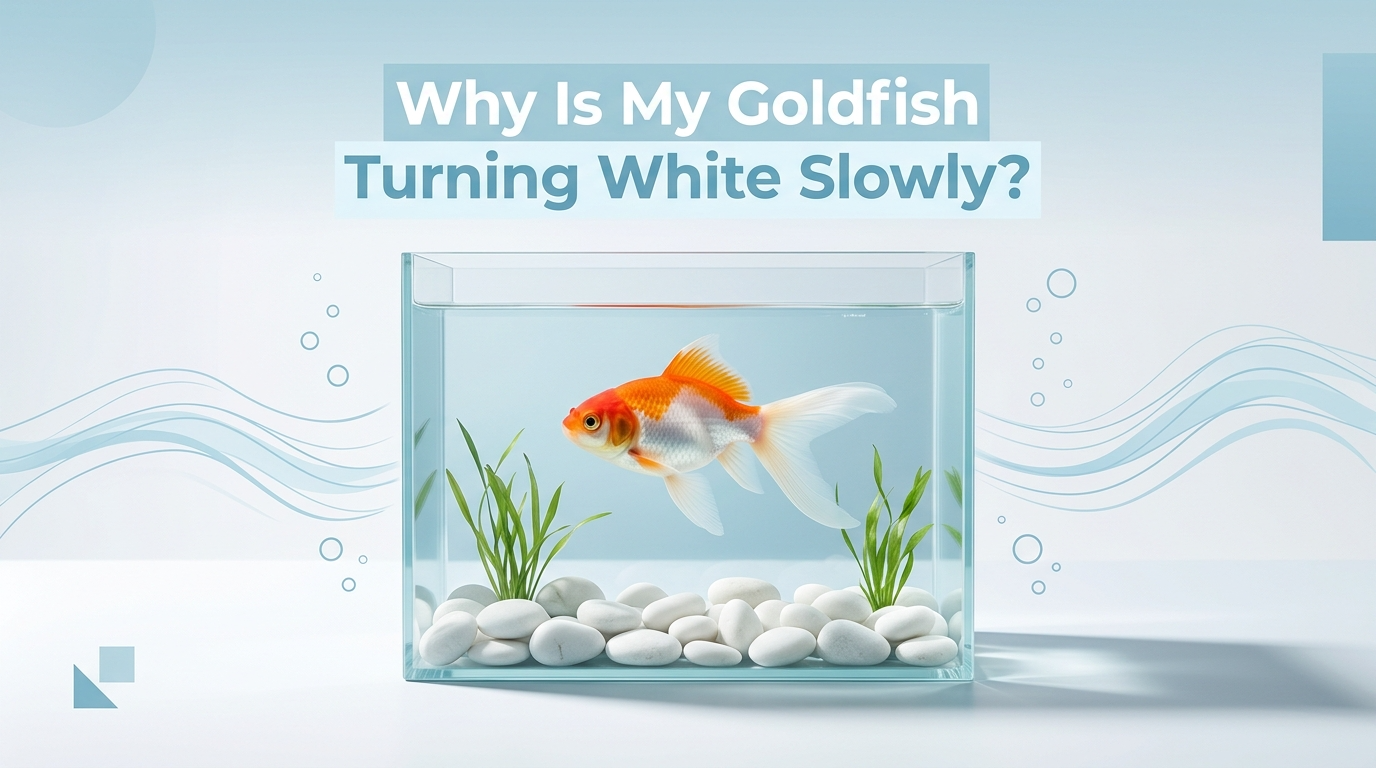
Your goldfish once glowed bright orange. Now it looks pale and washed out. You stare at the tank and wonder what went wrong. Take a breath. You are not alone, and your fish is probably fine.
A goldfish turning white slowly is one of the most common worries among fish keepers. Sometimes the cause is harmless, like age or genetics. Other times it points to a problem you can fix, like poor water or low light.
This guide breaks down every reason behind the color change. You will learn how to spot the real cause and what steps to take. Let us help your goldfish shine again.
Key Takeaways
- Slow color change is often normal. Many goldfish turn white gradually as they grow or age. If the change is slow and steady, it is usually nothing to fear.
- Water quality matters most. Poor water with high ammonia or nitrates can stress your fish and drain its color. Test your water first before anything else.
- Light controls pigment. Goldfish need light to keep their color. Too little sunlight makes them pale, while sudden bright light can also trigger a change.
- Diet keeps colors strong. A balanced diet with color boosting foods like spirulina helps your fish stay vibrant and healthy.
- White patches can mean illness. Cotton like growths or white spots are signs of fungus or ich. These need quick treatment with salt or medication.
- Genetics and age are permanent. If breeding or old age caused the change, the color will not come back, and that is perfectly okay.
Is It Normal for a Goldfish to Turn White?
Yes, it is often completely normal. Goldfish are not naturally gold in the wild. They are a type of carp, and their wild ancestors look olive green or brown. Breeders created the bright gold, orange, and red colors through selective breeding over many years.
These bred colors are not stable. This means your goldfish can shift shades during its life. Slow whitening is one of the most common color changes. A change that happens over weeks or months usually signals natural development, not danger.
The key is watching the speed. A slow fade rarely needs panic. A sudden change, however, deserves a closer look. Keep observing your fish and note any other symptoms alongside the color shift.
Aging and Genetics Cause Natural Color Loss
Many goldfish change color simply because they are growing up. If you bought your fish as a juvenile, its color will often shift as it reaches adulthood. Multi colored breeds like the Ryukin change the most during their first couple of years.
Genetics drives a lot of this change. Some fish carry genes that make their bright colors fade over time. Black goldfish are famous for this, often lightening as they age.
Older goldfish can also turn pale in their final years, much like a human going gray. Goldfish can live up to 15 years, so expect some changes along the way.
Pros of accepting this cause: you do not need to do anything, and your fish stays healthy. Cons: the original color will not return, since the change is permanent and built into the fish.
Poor Water Quality Can Drain the Color
Water quality is the biggest factor you control. Goldfish are hardy, but they react strongly to bad conditions. High ammonia and nitrate levels stress your fish and fade its color quickly. Dirty water can also make your goldfish sick and shorten its life.
Test your water with a reliable kit. Check ammonia, nitrite, nitrate, and pH. Ammonia and nitrite should always read zero. Nitrate should stay low. If readings are high, perform a water change right away. Aim for a 30 to 50 percent change to dilute the toxins.
Pros of fixing water: this is the most effective and affordable solution, and color often returns. Cons: it takes regular effort, and you must test water often to keep conditions stable over time.
How to Test and Improve Your Tank Water
Start by buying a liquid test kit. Liquid kits give more accurate results than paper strips. Test your water at the same time each week so you can track changes. Write down your readings to spot trends early.
If your numbers are off, act quickly. Perform a partial water change of 30 to 50 percent using dechlorinated water. Never use straight tap water, since chlorine harms fish. Match the new water temperature to the tank to avoid shock.
Clean your gravel with a siphon to remove waste and leftover food. Check your filter and rinse the media in old tank water, not tap water.
A strong cycled filter keeps ammonia and nitrite at zero. Avoid overfeeding, since extra food rots and pollutes the water fast. Small, steady habits keep your tank safe.
Lighting Problems and Lack of Sunlight
Light plays a huge role in goldfish color. Their skin holds pigment cells called chromatophores. These cells need light to stay active and bright. Without enough light, your goldfish slowly turns pale, much like skin without sunlight.
A tank kept in a dark room is a common cause of fading. If your fish lives in a dim corner, it may lose its color over time. On the flip side, sudden bright light or direct sun can also trigger a change. Goldfish react to big shifts in their light routine.
Pros of fixing light: it is simple and cheap, and color may return. Cons: too much direct sun can cause algae and overheating, so balance is important. Aim for steady, moderate light each day.
Add the Right Light for Vibrant Color
Give your goldfish a consistent light schedule. Aim for 8 to 12 hours of light each day. Use an aquarium light on a timer so the routine never changes. A steady cycle helps your fish keep strong, even color.
Natural sunlight can boost color, but use it with care. Some keepers place tanks near a window for gentle, indirect light. Avoid direct sun, since it raises temperature and feeds algae blooms. A little indirect daylight goes a long way.
Pros of good lighting: it supports color, plant growth, and a natural day cycle for your fish. Cons: poor placement causes algae and heat problems.
Test what works in your home and adjust slowly. Never make sudden, dramatic changes to the light, since that alone can stress your goldfish.
Low Oxygen Levels in the Water
Sometimes a goldfish turns a translucent, pale white because the water lacks oxygen. This cause needs quick action. Goldfish thrive in cool, well oxygenated water. Warm water holds less oxygen, which makes the problem worse in summer.
Watch for warning signs alongside the color change. Your fish may gasp at the surface, act sluggish, or breathe rapidly through its gills. These behaviors point to low oxygen levels. Test your water to confirm if you can.
To fix it, perform a large water change of around 50 to 60 percent. Add an air stone or air pump to raise oxygen. Pros of this fix: it works fast and saves your fish from harm.
Cons: you must keep the air pump running and avoid overcrowding the tank, since too many fish use up oxygen quickly.
Diet and Nutrition Affect Goldfish Color
What your goldfish eats shapes how it looks. A poor diet can drain color and weaken your fish. A balanced diet full of vitamins keeps colors rich and bright. Variety matters as much as quality here.
Color boosting foods can help your fish reach its full potential. Many keepers feed spirulina algae, which adds natural pigments.
Foods with carotenoids and astaxanthin enhance reds and oranges without dulling white areas. Fresh vegetables like peas and leafy greens also support health.
Pros of a good diet: it improves color, energy, and immune strength all at once. Cons: there are no guarantees if the cause is genetic, and overfeeding harms water quality. Feed small amounts once or twice a day. Remove uneaten food after a few minutes to keep the tank clean.
White Spots and Fungus Signal Illness
Not all white changes are color shifts. Sometimes you see actual white growths or spots, and these mean disease. Tiny white dots like grains of salt point to ich, a common parasite. Your fish may rub against objects when it has ich.
Fluffy, cotton like white patches signal a fungal infection. Fungus often appears on injured or stressed fish. Cotton wool growths can also be a bacterial infection that looks similar. Both need fast treatment to stop them from spreading.
Watch for other symptoms like lethargy, clamped fins, or trouble swimming. These signs separate illness from a harmless color change. Pros of catching illness early: treatment is far more effective. Cons: disease can spread to other fish, so you must act quickly and may need to isolate the sick fish.
How to Treat Fungus and Ich at Home
First, confirm what you are dealing with by looking closely. Salt grain dots mean ich, while cotton fluff means fungus. Once you know, you can choose the right treatment plan.
For both problems, aquarium salt is a helpful first step. Add it slowly at the dose listed on the package. Salt eases stress and slows the growth of fungus and parasites. For ich, raising the temperature gently speeds up the parasite life cycle so medication works better.
For fungus, products with methylene blue can help. For stubborn cases, an over the counter fish medication may be needed.
Pros of home treatment: it is affordable and often works for mild cases. Cons: wrong dosing can harm fish, and severe cases may need a vet. Always remove carbon from your filter during medication treatment.
Stress From Tank Changes and New Fish
Goldfish notice even small changes in their home. They are surprisingly sensitive to their surroundings. New decorations, a moved tank, or new tank mates can all cause stress. Stress sometimes shows up as a slow loss of color.
Adding new fish is a common stress trigger. Your goldfish may turn pale as it adjusts to the newcomer. The good news is this fade is often temporary. Most fish settle in and brighten back up within a couple of months.
There is not much active fixing to do here, just patience. Pros of waiting it out: the problem usually solves itself with no cost. Cons: it takes time, and you must rule out water or illness first. Keep the environment calm and avoid making more changes during this period.
Can My Goldfish Get Its Color Back?
This depends entirely on the cause. Harmless causes like light, diet, or stress are often reversible. Fix the issue, and your fish may regain its bright gold or orange shade over time. Healthy water and proper care give it the best chance.
Some color changes are permanent, however. Changes from genetics, old age, and certain illnesses usually cannot be undone. Your goldfish may simply stay pale for the rest of its life. That is not a failure on your part.
A white goldfish can still live a long, happy, healthy life. Treat the color as a new feature, not a flaw. Pros of acceptance: less worry for you and no needless treatment for your fish. The most important thing is that your goldfish feels safe, eats well, and swims happily.
Step by Step Plan to Help Your Goldfish
Here is a simple action plan to follow. Work through these steps in order to find and fix the cause fast.
First, test your water for ammonia, nitrite, nitrate, and pH. Fix any bad readings with a partial water change right away. Second, check the lighting and set a steady daily schedule. Third, look closely for white spots or cotton growths that signal illness.
Next, review the diet and add color rich, nutritious foods. Then think about recent changes that may have stressed your fish. Finally, give your goldfish time to recover and keep watching closely.
Pros of this plan: it covers every cause in a clear order. Cons: it takes patience and steady effort. If your fish shows serious illness signs, contact a vet who treats fish for expert help.
Frequently Asked Questions
Why is my goldfish turning white but still eating normally?
If your goldfish eats well and acts normal, the color change is likely harmless. Age, genetics, light, or diet are the most common gentle causes. Keep testing your water and watch for any new symptoms over the coming weeks.
How long does it take for a goldfish to turn white?
Natural color changes happen slowly, often over weeks or months. A change during the first two years of life is usually normal growth. A fast change within days suggests stress, poor water, or illness that needs quick attention.
Can low light really make my goldfish lose color?
Yes, light directly affects goldfish pigment. Their color cells need light to stay active. A tank in a dark room often leads to slow fading. Add a steady light schedule of 8 to 12 hours each day to help.
Is a white goldfish unhealthy?
Not always. Many white goldfish are perfectly healthy and live full lives. Color alone does not measure health. Watch behavior, appetite, and breathing instead. Worry only if you see white growths, lethargy, or gasping at the surface.
Will feeding spirulina turn my goldfish orange again?
Spirulina and color rich foods can boost vibrancy if the fade came from a poor diet. They will not reverse genetic or age based changes, though. Feed a varied, nutritious diet for the best results and steady, lasting color.
Should I see a vet for my white goldfish?
See a vet if your fish shows illness signs like white spots, cotton growths, or trouble swimming. A fish vet can diagnose and treat disease properly. For simple color changes with no other symptoms, home care is usually enough.

Hi, I’m Liza — pet lover, lifelong animal enthusiast, and the voice behind Liza4Pets. I created this space to share honest, practical pet care advice for fellow pet parents who want the best for their furry (and not-so-furry) companions.