
Why Is My Snake Soaking In The Water Bowl Continuously?
Have you noticed your snake sitting in its water bowl all day? You are not alone.
Many snake owners see this behavior and wonder if it is normal. Sometimes it is. But other times, it can point to a bigger problem.
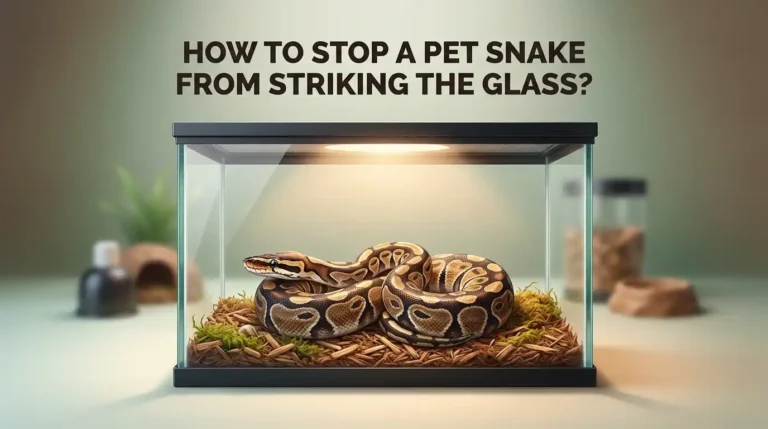
Ball pythons often soak after shedding or eating. This is completely natural. Your snake is just cooling down or helping its skin loosen.
In a Nutshell
- Occasional soaking is normal. Your snake may soak after eating or before shedding. This helps its skin and digestion.
- Continuous soaking signals a problem. If your snake stays in the bowl 24/7, something in its home needs attention.
- Check for mites first. Snakes soak to drown these tiny pests. Look closely at your snake’s skin and scales.
- Low humidity often causes this issue. Your snake soaks to make up for dry air in the tank. Measure your humidity levels to be sure.
- Wrong temperatures push snakes to water. The hot side should reach about 95°F. The cool side should stay near 85°F.
- Not enough hides can be the reason too. Your snake might use the bowl as its only safe spot. Add more hiding spots around the tank.
- Watch the pattern closely. Occasional soaking means your snake is fine. Constant soaking means it is time to fix something.
Is Soaking Normal Snake Behavior?
Soaking is absolutely normal snake behavior. Your ball python will soak for different reasons throughout its life. After shedding, snakes commonly spend time in water to help remove old skin. Following a meal, your snake may also soak as part of its natural digestion process.
Occasional soaking is healthy. Your snake might soak for a few hours and then leave the bowl. This type of soaking shows your snake is comfortable and managing its body needs.
However, continuous soaking tells a different story. If your snake never leaves the water bowl, it is signaling that something in its environment needs fixing. Your snake cannot talk, so it uses behavior to communicate discomfort.
Snakes soak when they feel too hot. If your tank lacks a proper temperature gradient, your snake will seek the coolest spot available. The hot side of your enclosure should stay around 95°F, while the cool side needs to be about 85°F.
Dehydration also drives constant soaking. Low humidity levels in the tank force your snake to stay in water to absorb moisture through its skin. Your snake is essentially trying to hydrate itself.
Mites represent another serious reason for constant soaking. These tiny parasites irritate snake skin, and snakes soak to drown them. Check your snake’s scales carefully for small moving dots.
The key difference is simple. Occasional soaking means your snake is fine. Constant soaking means you need to investigate your setup. Start by checking temperatures, humidity levels, hide availability, and signs of mites. Once you fix the underlying issue, your snake will return to normal soaking patterns.
Dehydration and Low Humidity: The Most Common Cause
Dehydration is the number one reason your snake soaks continuously in its water bowl. Snakes lose moisture through their skin, especially in dry environments. When humidity drops too low, your snake’s body signals thirst and discomfort.
Low humidity levels force snakes to seek water relief. Your snake cannot sweat like humans do. Instead, it absorbs moisture through its skin and by drinking. A parched snake will camp in the bowl for hours trying to rehydrate itself.
Check your tank’s humidity first. Most ball pythons thrive in humidity between 50 to 60 percent. You can measure this with a simple humidity gauge placed inside the enclosure. If readings fall below 50 percent, your tank is too dry.
Several factors lower humidity quickly. Poor ventilation traps moisture but too much airflow dries things out. Small water bowls evaporate faster than large ones. Certain substrates like aspen shavings absorb moisture instead of holding it.
The solution involves multiple steps. Switch to moisture retaining substrate like cypress mulch or aspen mixed with sphagnum moss. Mist the enclosure lightly a few times weekly to boost humidity. Provide a larger water bowl so more surface area stays available for soaking and drinking.
Temperature also connects to dehydration. An overheated snake loses more moisture through respiration. If your hot side exceeds 95°F, your snake may soak constantly to cool down and rehydrate simultaneously.
Monitor your snake’s behavior after adjusting humidity. Most dehydrated snakes reduce soaking time within days once conditions improve. If continuous soaking persists after humidity correction, investigate other causes like mites or temperature problems. Proper humidity creates a healthier, happier snake.
Overheating and Poor Temperature Gradients
Your snake’s body temperature directly affects how much it needs to soak. When your tank runs too hot, your snake cannot escape the heat properly. This forces your snake into the water bowl to cool down.
Temperature gradients are essential. Your snake needs a hot side and a cool side to regulate its own temperature. The hot side should reach about 95°F, while the cool side should stay around 85°F. This 10 degree difference lets your snake move between zones based on its needs.
Without this gradient, your snake has nowhere to go for relief. It stays in the water bowl because that is the only way to lower its body temperature. Continuous soaking in this situation is your snake’s survival strategy, not comfort.
Check your heating setup first. Measure the temperature on both sides of the tank using reliable thermometers. Many pet owners use guesswork instead of actual readings. This leads to overheating problems that go unnoticed for weeks.
Poor temperature control also connects to dehydration. When your tank stays too warm, your snake loses moisture faster through its skin. The combination of heat and dryness creates a double problem. Your snake soaks to cool down AND to rehydrate at the same time.
Adjust your heat source next. Move your heating lamp further from the tank or reduce its wattage. Add more substrate on the cool side to insulate it better. Give your snake proper hiding spots on both the hot and cool sides.
Monitor your snake’s behavior after making these changes. Most snakes reduce their soaking time within 24 to 48 hours once temperatures stabilize. If soaking continues, investigate other causes like mites or humidity problems.
Mite Infestations: A Hidden Trigger
Mites are tiny parasites that live on your snake’s skin and cause serious discomfort. Your snake will soak constantly in water to escape the irritation these pests create. This behavior signals your snake is suffering and needs immediate help.
Mites thrive in warm, humid environments and spread quickly through your tank. They feed on your snake’s skin and cause visible damage over time. Your ball python cannot escape this problem alone, so you must take action.
Look for these warning signs of mite infestation. Check your snake’s scales for tiny dark specks or moving dots. You might see mites crawling on the water bowl itself or floating in the water. Your snake may also rub against tank decorations more than usual, trying to remove the parasites.
Inspect the tank carefully and thoroughly. Remove all decorations, hides, and substrate from the enclosure. Wipe down every surface with hot water and paper towels. Throw away the old substrate completely. Mites hide in bedding materials, so replacing it stops the infestation cycle.
Clean the water bowl daily during treatment. Change the water multiple times each day since mites collect there. Your snake will use fresh water to escape the parasites.
After cleaning, replace everything with fresh substrate and clean decorations. Monitor your snake’s soaking behavior closely over the next two weeks. If your snake continues soaking constantly, the mites may still be present or another cause exists.
Prevention stops future infestations. Keep your tank clean and maintain proper humidity levels. Regular tank maintenance reduces mite populations significantly. If the problem persists after cleaning, consult a reptile veterinarian for professional treatment options.
Lack of Adequate Hides
Your snake uses its water bowl as a hiding spot when it lacks adequate refuges in the tank. Snakes feel vulnerable in open spaces and need secure places to rest and feel safe.
A snake without proper hides experiences stress. This stress drives it to stay in the water bowl continuously because it offers some concealment and security. The bowl becomes a refuge by default, not just a drinking station.
Ball pythons naturally seek enclosed spaces where they can observe their surroundings without being exposed. In the wild, they hide in burrows and under debris. Your tank should replicate this need for security.
Check how many hides your snake actually has access to. A single hide is not enough. Your ball python needs at least two hides: one on the warm side of the tank and one on the cool side. This gives your snake options for temperature regulation while staying hidden.
Hides should be snug and enclosed. Your snake prefers tight spaces where its body touches the walls. Large open boxes do not provide the same comfort level. A proper hide should feel like a secure tunnel or burrow.
Add more hiding spots throughout the tank. Use commercial hide boxes, PVC pipes, or stacked cork bark to create enclosed spaces. Position them strategically so your snake can access either the warm or cool side of the enclosure.
Once you provide adequate hides, monitor your snake’s behavior. Many snakes stop excessive soaking within days after gaining access to proper refuges. Your snake will use the water bowl for drinking and occasional soaking instead of treating it as a permanent shelter.
Step-by-Step Guide to Diagnosing Continuous Soaking
Your snake’s continuous soaking tells you something is wrong. The key is finding out what. Start by understanding that occasional soaking is normal, but 24/7 soaking signals a problem you need to fix.
Begin your diagnosis by watching your snake’s behavior closely. Does it soak right after eating? That’s normal. Does it soak constantly, even when you’re not feeding it? That’s your red flag.
Next, inspect your snake’s skin very carefully. Look for tiny moving dots or specs on the body and around the head. Mites appear as small brown or red particles. Check inside the water bowl too, as mites often gather there. Use a bright light and examine the entire snake methodically.
Pay attention to your snake’s activity level. A healthy snake that soaks occasionally will still move around the tank. A snake that stays in the water bowl without leaving suggests it’s either uncomfortable or seeking refuge from stress.
Check your hide situation honestly. Count the enclosed hiding spots your snake can access. If you have fewer than two good hides, your snake likely feels exposed. This drives it into the water bowl as a makeshift shelter.
Verify your humidity levels using a reliable gauge. Ball pythons need humidity between 50 and 60 percent. Too low, and your snake dehydrates. Too high, and you create conditions where mites thrive.
Document what you observe. Write down when your snake soaks, how long it stays, and what else is happening in the tank. This information helps you identify patterns and pinpoint the actual cause.
Common Mistakes That Worsen the Problem
Many snake owners accidentally make their continuous soaking problem worse by overlooking simple mistakes. Understanding these errors helps you fix the issue faster.
Ignoring the water bowl itself is a common mistake. A dirty bowl accumulates bacteria and algae, making your snake reluctant to use it properly. Change the water daily and scrub the bowl with hot water. A clean bowl encourages normal drinking behavior instead of constant soaking.
Providing only one hide forces your snake into an impossible choice. Your snake needs to feel secure, so it stays in the water bowl as a makeshift refuge. This isn’t comfort. This is desperation. Add at least two hides on the warm side and one on the cool side of the tank.
Guessing about humidity levels wastes your time. Many owners think their tank feels humid enough without measuring it. Buy a reliable humidity gauge and check it daily. Ball pythons need 40 to 60 percent humidity. Too low causes dehydration. Too high encourages mites.
Delaying mite inspections lets the problem grow worse. If your snake has mites, soaking offers temporary relief from itching. Don’t assume your snake is fine just because you don’t see obvious signs. Check your snake’s belly, around its mouth, and between its scales carefully.
Mixing up heat sources creates temperature confusion. Your snake can’t regulate its body properly without a clear warm side and cool side. Use a thermostat to control your heat lamp accurately. This prevents both overheating and inadequate warmth.
Avoiding professional help when nothing improves keeps your snake suffering. If soaking continues after you’ve addressed these mistakes, contact a reptile veterinarian. Your snake needs expert evaluation.
When to Worry: Distinguishing Normal vs. Concerning Soaking
Your snake’s soaking habits fall into two clear categories: normal and concerning. Occasional soaking is completely healthy behavior. Ball pythons soak after shedding, after eating, and sometimes just to relax. This is nothing to worry about.
Continuous soaking is different. If your snake stays in the water bowl 24/7 or nearly all day, something needs your attention. This behavior signals an underlying problem that requires investigation.
The key distinction matters because it tells you when action is needed. A snake that soaks for an hour or two daily is fine. A snake that refuses to leave the bowl except to eat is telling you its environment isn’t meeting its needs.
Watch your snake’s overall behavior patterns. Does it soak heavily after eating? That’s normal. Does it soak constantly while appearing stressed or inactive? That’s concerning. Notice whether your snake leaves the bowl to bask under the heat source or explore the tank.
Check your snake’s physical condition too. Healthy snakes soaking occasionally look alert and move smoothly. Snakes with continuous soaking problems often appear lethargic or restless. Their behavior looks anxious rather than content.
Temperature matters here. If your snake can’t find a warm enough spot, it may stay in water hoping moisture helps regulate its body heat. This is a sign your heating needs adjustment.
The bottom line is simple: occasional soaking equals normal, continuous soaking equals investigate. Your snake won’t stay in the water bowl all day without a reason. Finding that reason quickly prevents stress and health problems. Start observing today to determine which category your snake falls into.
Final Thoughts
Your snake’s constant soaking always means something needs your attention. It’s a clear signal, not random behavior.
Dehydration, overheating, mites, and poor hide setup are the main culprits behind this habit. You now know how to check each one.
Start with the simple fixes first. Add proper hides and fix your humidity levels before assuming something serious is wrong.
Mites are sneaky and easy to miss. Always inspect your snake’s skin thoroughly under good lighting before ruling them out.
Temperature gradients matter more than most owners realize. Your hot side should stay around 95°F while your cool side sits near 85°F.
If you fix these basics and soaking continues, don’t panic. Some snakes simply prefer more time in water than others.
Watch your snake for a few more days after making changes. Behavior shifts don’t happen overnight in most cases.
Trust your observations over guesswork. You know your snake’s normal patterns better than anyone else.
If continuous soaking persists despite every fix, reach out to a reptile veterinarian. Professional help catches issues you might miss at home.
Your snake depends on you to notice these changes early. Small adjustments now prevent bigger health problems later.
Remember that occasional soaking is completely normal behavior. It’s the nonstop soaking that demands your careful investigation.
Keep a simple log of your snake’s habits going forward. This makes future problems easier to spot and solve quickly.
Your attentiveness makes a real difference in your snake’s comfort. A healthy, well cared for snake shows it through balanced, natural behavior every single day.
Frequently Asked Questions
Why does my snake soak right after eating?
Soaking after meals is completely normal behavior. Your snake’s body uses water to help with digestion. Many snakes instinctively soak for a few hours following a meal. This helps their stomach process food more efficiently.
You don’t need to worry about this pattern. Just make sure fresh water stays available in the bowl. Remove uneaten food from the enclosure first so the water stays clean.
How long is too long for continuous soaking?
Occasional soaking for a few hours daily is normal. Continuous soaking that lasts 24 hours or more signals a problem. Your snake is trying to tell you something needs adjustment.
Watch your snake’s behavior pattern over several days. If your snake leaves the water bowl regularly to bask or hide, that’s healthy. If your snake never leaves the bowl, investigate the cause immediately.
Can mites cause constant soaking?
Yes. Mites are a common reason snakes soak excessively. These parasites irritate your snake’s skin and cause discomfort. Affected snakes seek water relief from the itching sensation.
Inspect your snake carefully for tiny moving dots around the eyes, mouth, and scales. Check the water bowl and enclosure for mite debris. If you spot any signs, isolate your snake and contact a reptile veterinarian right away.
Should I remove the water bowl if my snake won’t leave it?
No. Never remove the water bowl. Your snake needs constant access to fresh water for hydration and soaking. Instead, focus on fixing the underlying cause.
The bowl itself isn’t the problem. Something in your setup needs adjustment. Check your temperature gradient, humidity level, hide availability, and inspect for mites. Once you address the root cause, your snake’s soaking behavior will normalize.

Hi, I’m Liza — pet lover, lifelong animal enthusiast, and the voice behind Liza4Pets. I created this space to share honest, practical pet care advice for fellow pet parents who want the best for their furry (and not-so-furry) companions.