How To Fix A Guinea Pig With A Respiratory Infection?
Is your guinea pig sneezing or breathing louder than usual? These small signs can point to a respiratory infection. This condition is common in guinea pigs, and it needs quick attention.
Guinea pigs hide sickness well. By the time you notice symptoms, the infection may already be serious. That’s why fast action matters so much.
This guide walks you through the real steps to fix a guinea pig with a respiratory infection. You will learn how to spot early warning signs like appetite loss and breathing changes. We will cover why a vet visit is the first and most important step.
In a Nutshell
- See a vet right away. Respiratory infections need prescription antibiotics. Home remedies alone won’t clear the infection.
- Watch for key signs. Sneezing, loud breathing, and appetite loss mean it’s time to call your vet.
- Follow the treatment plan. Your vet may suggest antibiotics, fluid therapy, or vitamin C boosts. Some guinea pigs need oxygen therapy too.
- Feed your pig if needed. If your guinea pig stops eating, syringe feeding keeps their strength up during recovery.
- Fix the bedding. Swap dusty bedding for fleece or paper options. Dust makes breathing harder.
- Avoid common mistakes. Don’t delay the vet visit. Don’t skip vitamin C. Don’t guess on medication doses.
Recognizing the Early Signs of a Respiratory Infection
Guinea pigs often mask their sickness until problems become serious. Spotting early signs of a respiratory infection gives your pet the best chance at recovery.
Sneezing is one of the first clues. If your guinea pig sneezes once or twice, it might be dust or hay. However, frequent sneezing throughout the day signals something more. Pay attention to how often it happens.
Changes in breathing matter greatly. Normal guinea pig breathing is quiet and steady. Listen carefully during calm moments. If your pet breathes louder, faster, or with visible effort, a respiratory issue may be developing. You might hear wheezing or crackling sounds too.
Appetite loss often arrives early in infections. Guinea pigs normally eat throughout the day with enthusiasm. If your pet ignores favorite foods or eats much less than usual, take notice. Reduced eating combined with other signs means veterinary care is urgent.
Discharge from the nose or eyes shows infection is present. Clear or colored mucus around the nose area indicates your guinea pig’s body is fighting something. Eye discharge paired with sneezing strengthens the case for a respiratory problem.
Lethargy and behavior changes develop as infections progress. A sick guinea pig may hide more, move slowly, or seem uninterested in activities they normally enjoy. They might huddle in corners or sleep far more than usual.
Temperature changes can occur too. While you cannot easily take your guinea pig’s temperature at home, a pet that feels cold or unusually warm to the touch needs attention.
Early recognition prevents complications. Trust your instincts. If something feels wrong with your guinea pig’s health, contact a veterinarian promptly. Waiting allows infections to worsen and become harder to treat.
Why Guinea Pigs Are So Prone to Respiratory Illness
Guinea pigs catch respiratory infections easily because of how their bodies work. Their respiratory systems are sensitive to environmental changes and stress. Small irritants can quickly trigger problems in their airways.
Dusty bedding is a major culprit. Many common bedding materials release fine particles that guinea pigs breathe in constantly. These particles irritate their lungs and airways over time. Cedar and pine bedding are especially problematic because they contain oils that damage respiratory tissue.
Guinea pigs also struggle with poor air quality in their living spaces. Ammonia from urine buildup creates toxic fumes in enclosed cages. Lack of ventilation traps these harmful gases around your pet. Crowded housing makes problems worse because air circulation decreases.
Stress weakens their immune systems significantly. Loud noises, sudden temperature changes, and handling stress all lower their ability to fight infections. When their immune systems are compromised, bacteria and viruses take hold more easily.
Guinea pigs are social animals that live in groups in nature. Housing multiple pigs together increases infection spread if one animal gets sick. Close contact means bacteria and viruses pass between them rapidly.
Their body size works against them too. Guinea pigs have small respiratory passages that get blocked quickly by fluid or inflammation. What starts as minor congestion can become serious fast.
Temperature sensitivity matters as well. Guinea pigs do best between 65 and 75 degrees Fahrenheit. Temperatures outside this range stress their systems and make infections more likely.
Understanding these risk factors helps you prevent problems before they start. Clean bedding, good ventilation, proper temperatures, and low stress create an environment where your guinea pig stays healthy and breathes easily.
Step-by-Step: What to Do When You Suspect an Infection
When you suspect your guinea pig has a respiratory infection, act with purpose. Time matters greatly because infections can worsen fast.
Start by scheduling a vet appointment immediately. Your veterinarian needs to examine your guinea pig and confirm the diagnosis. They will listen to your pet’s lungs and may take samples to identify the exact problem. Don’t wait or hope the symptoms disappear on their own.
Before your appointment, gather information about what you’ve noticed. Write down when the sneezing started, how often you hear labored breathing, and whether your guinea pig is eating normally. Note any discharge from the nose or eyes. This information helps your vet understand the infection’s stage.
Prepare your guinea pig’s environment while waiting for the vet visit. Switch to dust free bedding immediately if you haven’t already. Paper bedding and fleece liners work well. Remove any scented products, air fresheners, or perfumes from the room because these irritate airways further.
Keep your guinea pig warm and calm during this time. Stress weakens their immune system, so minimize handling and loud noises. Ensure fresh water stays available at all times.
Follow your vet’s instructions exactly once treatment begins. Your veterinarian will prescribe specific antibiotics chosen to treat the infection while protecting your guinea pig’s gut bacteria. They may also recommend vitamin C supplements, fluid therapy, or other support.
If your guinea pig stops eating during treatment, your vet may show you how to use a syringe for feeding. This keeps your pet’s strength up while fighting the infection. Stay in close contact with your vet throughout recovery and report any changes immediately.
Veterinary Treatment Options and What to Expect
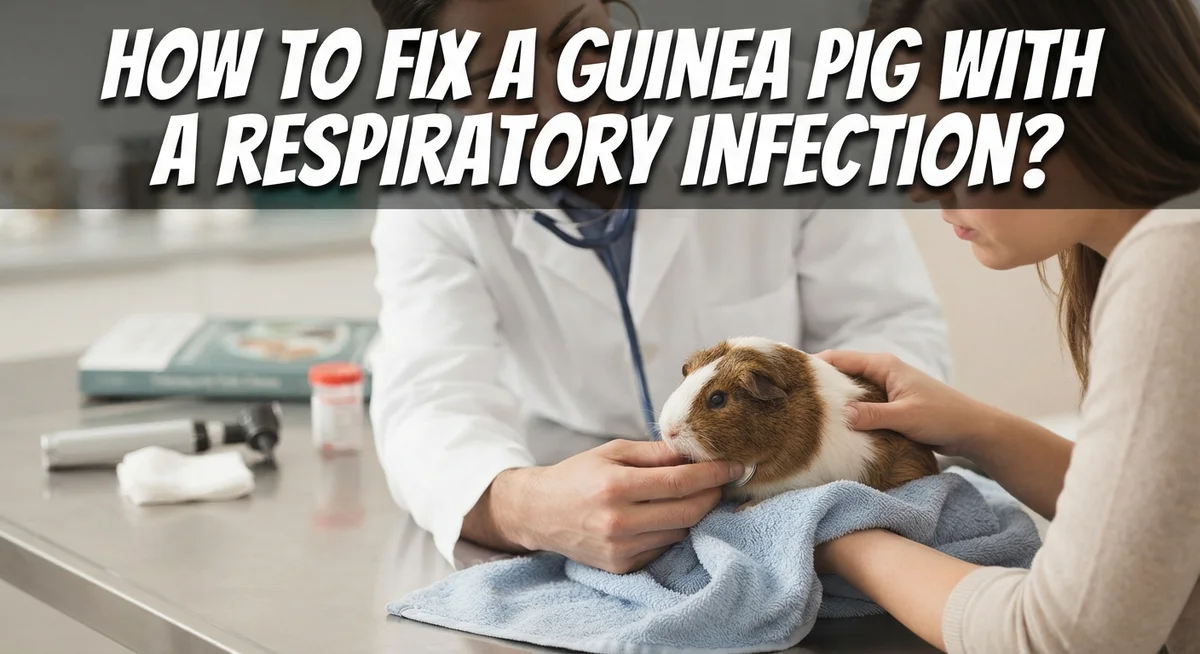
Your veterinarian will take a hands-on approach to treating your guinea pig’s respiratory infection. The first step involves confirming the diagnosis through physical examination and sometimes additional tests. Your vet listens to your guinea pig’s lungs with a stethoscope to detect abnormal sounds.
Prescription antibiotics form the core of treatment. Your vet selects specific antibiotics that fight the infection while protecting your guinea pig’s beneficial gut bacteria. This balance matters because guinea pigs have sensitive digestive systems. You must give medications exactly as prescribed, at the right times and doses.
Beyond antibiotics, your vet may recommend vitamin C supplementation since guinea pigs cannot produce their own. Respiratory infections drain vitamin C reserves, and supplementing helps recovery. Some guinea pigs need fluid therapy if they’re dehydrated or not eating enough.
If your guinea pig stops eating, your vet might show you how to syringe feed nutritious paste or formula. This prevents weight loss and maintains strength during recovery. Syringe feeding requires patience but keeps your pet nourished.
Severe cases may need oxygen therapy to help your guinea pig breathe easier. Your vet has oxygen equipment available during hospital visits or treatment sessions. Anti-inflammatory medications sometimes accompany antibiotics to reduce airway swelling.
Treatment typically lasts 7 to 14 days, though some infections require longer courses. Your vet schedules follow-up visits to check progress. You’ll notice improvements in breathing, appetite, and activity levels as your guinea pig recovers.
Always contact your vet immediately if symptoms worsen or new problems develop. Never stop antibiotics early, even if your guinea pig seems better. Completing the full treatment prevents infection from returning stronger.
Supportive Home Care During Recovery
Your guinea pig needs consistent care at home while recovering from a respiratory infection. This support makes a real difference in their healing process.
Keep your guinea pig in a quiet, warm space away from other pets and household noise. Temperature should stay between 65 and 75 degrees Fahrenheit. Sudden temperature swings stress their body and slow recovery.
Provide fresh water daily and monitor how much your guinea pig drinks. Dehydration happens quickly during illness. If your guinea pig refuses to drink, contact your vet about fluid support options.
Offer soft foods like cucumber, bell pepper, and romaine lettuce. These are gentle on their system and provide hydration. If your guinea pig stops eating completely, your vet will show you how to syringe feed them.
Clean the cage frequently but gently. Remove soiled bedding every day. Use dust free bedding like fleece, felt, or paper based options. Dust particles irritate inflamed airways and worsen symptoms.
Handle your guinea pig minimally during recovery. Each time you pick them up causes stress, which weakens their immune response. Keep interactions brief and calm.
Watch their breathing patterns closely. Normal breathing should be quiet and steady. Report any changes to your vet immediately.
Give all medications exactly as prescribed. Set phone reminders so you don’t miss doses. Stopping antibiotics early allows infection to return stronger.
Monitor appetite, energy levels, and breathing daily. Keep notes about what you observe. This information helps your vet track progress at follow up visits.
Recovery takes time. Most guinea pigs improve within 3 to 5 days of starting treatment, but full healing takes longer. Stay patient and consistent with home care.
Creating a Safe, Low-Risk Environment to Prevent Recurrence
Your guinea pig’s respiratory infection can return if the environment stays the same. Prevention starts with bedding choices. Use felt, fleece, or paper based materials instead of cedar, pine, or sawdust. These alternatives kick up dust that irritates tiny lungs.
Clean the cage thoroughly at least twice weekly. Remove soiled bedding, droppings, and uneaten food promptly. Bacteria and mold grow quickly in damp spots. A clean home stops infections from taking hold again.
Air quality matters significantly. Keep the cage away from kitchen smoke, perfumes, and cleaning sprays. Open windows for fresh air circulation, but avoid drafts that chill your guinea pig. Aim for a temperature between 65 and 75 degrees Fahrenheit.
Humidity levels should stay moderate. Too much moisture encourages mold growth. Too little dries out airways. A basic humidity meter helps you monitor this easily.
House your guinea pig away from other animals that might carry germs. Wash your hands before handling your pet, especially after touching other animals or people who are sick.
Stress weakens immunity. Provide hiding spots, tunnels, and quiet areas where your guinea pig feels safe. Loud noises and sudden changes trigger stress responses that lower disease resistance.
Check your guinea pig daily for early warning signs like sneezing, wheezing, or reduced appetite. Catching problems early prevents serious infections from developing.
Schedule regular vet checkups even when your guinea pig seems healthy. Your veterinarian can spot problems you might miss. These visits create a safety net that keeps respiratory issues from returning and becoming severe.
Common Mistakes That Delay Recovery
Many guinea pig owners accidentally slow their pet’s recovery without realizing it. Understanding these common mistakes helps you support your guinea pig’s healing.
Waiting too long before seeing a vet ranks as the biggest mistake. Respiratory infections worsen quickly in guinea pigs. What seems like mild sneezing on Monday can become severe by Wednesday. Your guinea pig needs veterinary care within the first few days of symptoms. Delays allow bacteria to spread deeper into the lungs.
Not following medication instructions exactly causes treatment failures. Your vet prescribes specific doses at specific times. Skipping doses or stopping early lets the infection return. Giving medication irregularly prevents the antibiotic from reaching effective levels in your guinea pig’s body. Set phone reminders to stay consistent.
Using the wrong bedding materials sabotages recovery. Dusty bedding, cedar shavings, or pine shavings irritate already sensitive airways. Switch to felt, fleece, or paper bedding immediately. Dust particles trigger coughing and make breathing harder during healing.
Skipping vitamin C supplementation weakens your guinea pig’s immune system. Guinea pigs cannot make their own vitamin C. They need extra support while fighting infection. Ask your vet about proper dosing for recovery.
Ignoring appetite changes is dangerous. If your guinea pig stops eating, contact your vet right away. Refusing food signals serious illness. Your vet can recommend syringe feeding or other nutritional support.
Keeping the cage too humid or too cold delays healing. Maintain moderate humidity and warm temperatures around 65 to 75 degrees Fahrenheit. Extreme conditions stress your guinea pig’s body during recovery.
Exposing your guinea pig to other animals introduces new germs. Isolate your guinea pig in a separate, quiet space away from other pets until fully recovered.
Troubleshooting: When Symptoms Don’t Improve
Sometimes a guinea pig’s respiratory infection doesn’t improve as expected. This happens for several reasons, and knowing what to do helps you respond quickly.
Medication resistance occurs when bacteria don’t respond to the current antibiotic. Your veterinarian may need to switch to a different prescription based on culture results. Never stop giving medications early, even if your guinea pig seems better. Incomplete treatment allows infection to return stronger.
Poor medication administration is another common issue. If your guinea pig spits out liquid antibiotics or you miss doses, treatment fails. Ask your vet to show you the correct technique. Some guinea pigs need syringe feeding assistance to ensure they swallow medications properly.
Environmental factors can prevent healing. Dusty bedding irritates airways and worsens symptoms. Switch to paper based or fleece bedding immediately. Check humidity levels too. Air that’s too dry or too humid slows recovery.
Underlying complications sometimes develop. Secondary infections, pneumonia, or abscesses require additional treatment. If symptoms worsen after initial improvement, contact your vet right away.
Appetite loss signals serious problems. When guinea pigs stop eating, their immunity weakens and recovery stalls. Syringe feeding with soft foods maintains nutrition during this critical time.
Stress and poor nutrition delay healing significantly. Ensure your guinea pig gets adequate vitamin C daily. Keep the environment calm and quiet.
Schedule a follow up veterinary visit if symptoms persist beyond the expected recovery timeline. Your vet may recommend chest X rays or blood work to identify what’s preventing improvement. Don’t assume home care alone will fix stubborn infections. Professional guidance saves lives and prevents permanent lung damage.
Final Thoughts
A guinea pig with a respiratory infection needs quick action and steady care. This condition can turn serious fast, so early intervention makes all the difference. Watch for sneezing, breathing changes, or appetite loss right away.
Your vet plays the biggest role in recovery. They will diagnose the infection and prescribe the right antibiotics. Never skip doses or stop medication early, even if your guinea pig seems better.
Support the treatment with good home care. Give vitamin C daily. Offer fresh water and soft foods if your pet struggles to eat. Syringe feeding helps when appetite drops too low.
Keep the cage clean and dust free. Choose felt, fleece, or paper bedding instead of dusty options. Clean air matters just as much as clean bedding for healthy lungs.
Small daily habits protect your guinea pig long term. Check breathing, energy, and appetite each day. These simple checks catch problems before they grow worse.
Remember that recovery takes patience. Some guinea pigs bounce back quickly, while others need more time and support. Stay consistent with care, and don’t get discouraged by slow progress.
Prevention matters just as much as treatment. A stress free environment, proper housing, and good nutrition build strong immunity. This makes future infections less likely.
If symptoms return or worsen, contact your vet again without delay. Guinea pigs hide illness well, so any change deserves attention. Trust your instincts as a pet owner.
With the right treatment plan and a safe living space, most guinea pigs recover fully. Your careful attention today builds a healthier, happier future for your furry friend.
Frequently Asked Questions
How long does it take for a guinea pig to recover from a respiratory infection?
Recovery time varies based on infection severity and how quickly treatment starts. Most guinea pigs improve within 7 to 14 days of starting antibiotics. Some cases take 3 to 4 weeks for complete healing.
Early intervention makes a huge difference. Guinea pigs treated immediately recover faster than those with delayed care. Your vet will monitor progress and adjust treatment if needed.
Can I treat a respiratory infection at home without a vet?
No. Home remedies cannot cure respiratory infections in guinea pigs. These infections require prescription antibiotics that only a veterinarian can provide.
Delaying professional care allows the infection to worsen. Serious complications develop quickly in guinea pigs. A vet visit is essential for proper diagnosis and medication selection.
What should I feed a guinea pig during recovery?
Offer soft, easy to eat foods if your guinea pig has appetite. Fresh vegetables like bell peppers and leafy greens work well. Continue providing hay, which supports digestion and healing.
If your guinea pig stops eating, contact your vet immediately. Syringe feeding may become necessary to maintain nutrition. Never force feed without veterinary guidance.
Why is vitamin C important during recovery?
Guinea pigs cannot produce their own vitamin C. This vitamin strengthens immune function and helps fight infection. Supplementation supports faster healing and prevents complications.
Your vet will recommend the correct dosage. Proper vitamin C levels boost your guinea pig’s natural defenses during treatment.
What bedding should I use during treatment?
Avoid dusty materials like cedar, pine, or wood shavings. Use felt, fleece, or paper based bedding instead. Dust irritates airways and slows respiratory recovery.
Keep the cage clean and change bedding frequently. A dust free environment prevents infection from worsening.

Hi, I’m Liza — pet lover, lifelong animal enthusiast, and the voice behind Liza4Pets. I created this space to share honest, practical pet care advice for fellow pet parents who want the best for their furry (and not-so-furry) companions.