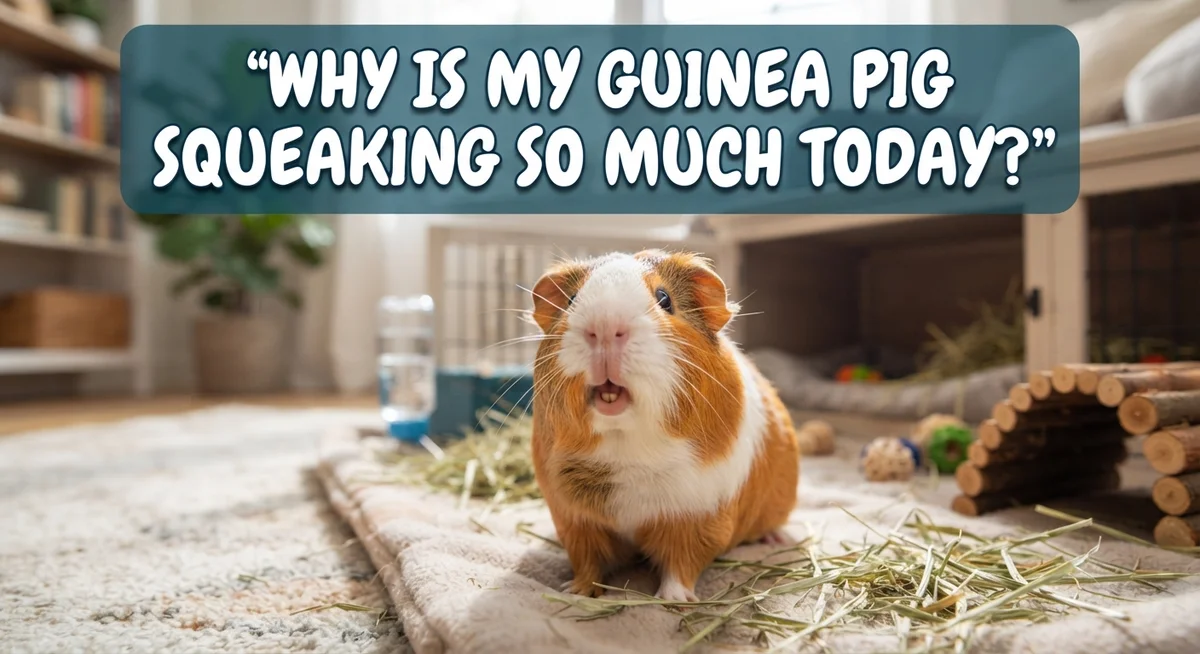
Why Is My Guinea Pig Squeaking So Much Today?
Does your guinea pig sound louder than usual today? You are not alone. Many pet owners notice sudden squeaking and wonder what it means.
Squeaking is normal. Guinea pigs use sounds to talk to you. But extra noise today might have a reason behind it.
Maybe your pet wants food. Maybe it feels lonely. Or maybe something in its cage changed and it feels unsure.
This article will help you understand these tiny sounds. We will look at common triggers like hunger, loneliness, and fear. You will also learn why nighttime squeaking happens more often.
In a Nutshell
- Squeaking is normal. Your guinea pig uses this sound to talk to you. It cannot stop this instinct, and you should not try to stop it either.
- Attention is a big reason. Many guinea pigs squeak loud when they see you walk into the room. They know you bring food or fun.
- Loneliness causes noise too. Guinea pigs are social pets. A single pig often squeaks more than one living with a friend.
- Check the lights at night. Sudden changes in lighting can confuse your pet. This often leads to squeaking after dark.
- Watch for sudden changes. If your pet squeaks much more than usual, look for stress. Check its cage, food, and water first.
- Pairs help a lot. Getting your guinea pig a friend can lower lonely squeaks. Happy pigs are often quiet pigs.
What Guinea Pig Squeaking Actually Means
Guinea pig squeaking is a form of communication. Your pet uses these sounds to express feelings and needs. Understanding what each squeak means helps you respond better to your guinea pig.
Wheeking is the most common squeak you’ll hear. This high pitched whistle sound shows excitement. Your guinea pig makes this noise when it sees you, smells food, or anticipates something good. It’s a positive sound that means your pet is happy or eager.
Guinea pigs also squeak when they feel stressed or scared. These distress calls sound sharper and more urgent. Your pet makes these sounds during sudden loud noises, handling it doesn’t like, or unfamiliar situations. Pay attention to the tone and context to tell the difference.
Attention seeking squeaks happen frequently throughout the day. Your guinea pig wants interaction, food, or water. These squeaks often repeat in patterns. Your pet learns that squeaking gets your response, so it continues the behavior.
Loneliness triggers constant vocalization. Guinea pigs are social animals that naturally live in groups. A single guinea pig squeaks more often because it lacks companionship. The sound reflects your pet’s need for interaction and social connection.
Nighttime squeaking relates to environmental changes. Sudden darkness or lighting shifts confuse your guinea pig. Routine changes also cause vocal responses. Your pet adjusts to new schedules or cage locations by squeaking.
Age matters too. Young guinea pigs squeak more than older ones. Babies are naturally more vocal as they explore their world and learn communication skills.
The key is recognizing that squeaking is normal instinctive behavior. You cannot stop it completely, but you can identify triggers. Listen for patterns in when and how your guinea pig squeaks. This helps you determine whether your pet needs food, attention, companionship, or a calmer environment. Each squeak tells a story about what your guinea pig experiences.
Top Reasons Your Guinea Pig Is Squeaking More Than Usual
Your guinea pig’s squeaking usually happens for specific reasons. Understanding these reasons helps you respond correctly and keep your pet happy.
Attention seeking is one of the most common causes. Guinea pigs squeak when they hear you enter the room or when they want you to notice them. This is normal social behavior. Your pet simply wants interaction with you.
Loneliness drives a lot of extra squeaking. Guinea pigs are social animals that need companionship. A single guinea pig will vocalize more than one living with a friend. The constant squeaking often signals that your pet feels isolated and wants social contact.
Fear or distress creates different squeaking sounds. If your guinea pig suddenly squeaks loudly and seems panicked, something in the environment scared them. Loud noises, sudden movements, or unfamiliar people can trigger these alarm calls.
Hunger or thirst causes urgent squeaks. Guinea pigs squeak when their food or water bowls are empty. This is their way of telling you they need care right now.
Environmental changes affect your pet’s noise levels. New cage locations, different lighting, or temperature shifts can make guinea pigs more vocal. Nighttime squeaking often connects to lighting changes or disrupted routines.
Age plays a role too. Young guinea pigs tend to squeak more than older ones. As they mature, their vocalization often decreases naturally.
The key is watching for patterns in the squeaking. Does it happen at specific times? Does your pet squeak only when you’re around? Does the noise increase suddenly? These details tell you what your guinea pig needs. Most importantly, remember that squeaking is how your guinea pig talks to you. It is not a problem to fix but a message to understand.
How to Read Your Guinea Pig’s Body Language Alongside the Sound
Your guinea pig’s body language tells you exactly what their squeaks mean. Pay close attention to what’s happening with their entire body, not just the sound they make.
When your guinea pig squeaks while popcorning (jumping in the air), they’re excited and happy. Their whole body bounces with energy. This is a good squeak. Their ears stand up, and they move quickly around their space.
Fearful squeaks look completely different. Your guinea pig will freeze or huddle in a corner. Their body stays tense and low to the ground. Their ears might flatten back against their head. This squeak sounds more urgent and sharp than attention seeking squeaks.
Hunger squeaks happen when your guinea pig sees you near the food area. They’ll stand on their back legs and stare directly at you. Their nose might twitch with interest. This squeak has a demanding quality to it.
Loneliness squeaks sound repetitive and sad. Your guinea pig will pace around their cage while making these sounds. They might look for their companion or stare at you for long periods. Their body language shows restlessness and searching behavior.
Check their ears carefully. Perked up ears mean curiosity or excitement. Pinned back ears signal fear or discomfort. Their ear position changes quickly based on their mood.
Watch their movement too. Happy guinea pigs move smoothly and explore their space. Stressed guinea pigs move erratically or hide. They might shake slightly when scared.
Look at their eyes as well. Bright, alert eyes show confidence. Dull or wide eyes can indicate stress or fear.
Combining these body signals with the squeak itself gives you the complete picture. You’ll start to recognize your guinea pig’s unique communication style. Every pig has slightly different ways of expressing themselves. The more you observe, the better you understand your pet’s needs.
Step-by-Step: Figuring Out What Your Guinea Pig Wants
Start by listening carefully to your guinea pig’s squeaks. Different sounds mean different things. A high-pitched whistle (called wheeking) usually means excitement or happiness. Urgent, rapid squeaks often signal hunger or thirst.
Next, observe the timing. Does your guinea pig squeak when you walk into the room? That’s attention-seeking behavior. Squeaks that happen throughout the day, especially when your pet is alone, point to loneliness. Nighttime squeaking often relates to lighting changes or routine disruptions.
Watch your guinea pig’s body language while they squeak. A happy guinea pig bounces or popcorns (jumps in the air) during excited squeaks. A scared guinea pig freezes, huddles in a corner, or squeaks while backing away. A hungry guinea pig moves toward the food area and squeaks repeatedly.
Check the basic needs first. Is the water bottle full? Does your guinea pig have fresh food? Sometimes the answer is that simple. Feel the cage temperature too. Guinea pigs get stressed in extreme heat or cold.
Look for environmental changes. Did you rearrange the cage? Change your schedule? Move your guinea pig to a different room? These shifts can trigger extra squeaking. Guinea pigs like routine and familiar spaces.
Consider your guinea pig’s companionship. Single guinea pigs vocalize much more than pairs. If your pet lives alone, they may be expressing loneliness through constant squeaks.
Finally, track patterns over several days. Write down when squeaking happens and what your guinea pig is doing. Sudden increases in squeaking can signal stress or health issues. Normal squeaking follows predictable patterns tied to meals, attention, or specific times of day.
This detective work helps you understand exactly what your guinea pig needs right now.
Why Nighttime or Sudden Squeaking Can Be Different
Nighttime squeaking often differs from daytime vocalizations because your guinea pig’s routine changes when the sun goes down. Guinea pigs are crepuscular animals, meaning they’re most active during dawn and dusk. When lighting shifts in your home, your pet may feel confused or anxious about the sudden darkness.
Sudden squeaking bursts can signal stress rather than simple attention seeking. If your guinea pig normally stays quiet at night but suddenly squeaks loudly, something in their environment likely shifted. This might include a new light source, unfamiliar sounds, or temperature changes in their room.
Loneliness becomes more noticeable during nighttime hours. Your guinea pig can’t see you as clearly in dim light, so they may vocalize more to find companionship. A single guinea pig left alone overnight often squeaks repeatedly, searching for social contact.
Fear triggers different squeaking patterns than daytime excitement. Nighttime sounds like wind, traffic, or household noises can startle your pet and cause distressed squeaks. These sound sharper and more urgent than their regular attention seeking calls.
Age matters too. Young guinea pigs squeak more frequently at night because they’re still adjusting to their environment. Older guinea pigs may suddenly increase nighttime squeaking if they experience pain or discomfort that worsens when they try to rest.
Pay attention to whether the squeaking started suddenly or gradually increased. A sudden change suggests environmental stress or a health concern. Gradual increases usually point to loneliness or habit.
Monitor the specific times when squeaking happens most. Does it start right after you turn off lights? Does it continue throughout the night or happen in bursts? These patterns help you identify whether your guinea pig needs companionship, environmental adjustments, or veterinary attention.
When Increased Squeaking Signals Stress or a Problem
Increased squeaking can signal that your guinea pig is experiencing stress or discomfort. Understanding the difference between normal vocalizations and distress calls is important for your pet’s health.
Stress squeaking often sounds different from excitement squeaks. Your guinea pig may produce rapid, high-pitched sounds when they feel anxious or threatened. This type of vocalization usually happens when something in their environment has changed suddenly.
Watch for sudden spikes in squeaking volume or frequency. If your guinea pig normally squeaks a few times daily but now squeaks constantly, something may be wrong. Stress can trigger this behavior change within hours.
Common stress triggers include loud noises, sudden temperature changes, unfamiliar people, or cage disruptions. Moving their habitat, introducing new pets, or changing their daily routine can also cause increased vocalization. Guinea pigs feel safest with predictable schedules and familiar surroundings.
Pain or illness may also cause unusual squeaking patterns. If your guinea pig squeaks while moving stiffly, seems lethargic, or has stopped eating normally, a health issue could be present. Respiratory infections, dental problems, and digestive issues frequently lead to behavioral changes in guinea pigs.
Loneliness represents another significant stress factor. Guinea pigs are social animals and thrive in pairs. A single guinea pig kept alone may squeak excessively due to emotional distress. Adding a compatible companion often reduces stress-related vocalizations dramatically.
Monitor your guinea pig’s overall behavior alongside the squeaking. Check if they’re eating and drinking normally. Look for changes in movement, coat condition, or bathroom habits. These signs combined with increased squeaking suggest your pet needs attention.
If squeaking persists for more than a day or you notice other behavioral changes, consult a veterinarian. They can rule out medical issues and confirm whether stress is the cause. Early intervention prevents small problems from becoming serious health concerns.
Common Mistakes Owners Make When Responding to Squeaking
Many guinea pig owners accidentally make their squeaking worse by responding the wrong way. Understanding these mistakes helps you support your pet better.
Rewarding every squeak is a common error. When your guinea pig squeaks and you immediately run over with treats or attention, you teach them that squeaking works. They learn to squeak more often to get what they want. Instead, respond calmly and only when you’ve identified a real need.
Keeping a single guinea pig is one of the biggest mistakes owners make. Guinea pigs are social animals that need companionship. A lonely guinea pig squeaks constantly because they’re distressed, not because something is wrong with them. They communicate their loneliness through frequent vocalizations. Adding a compatible companion often reduces squeaking naturally.
Ignoring environmental factors creates unnecessary stress. Your guinea pig squeaks more when the lighting changes suddenly, the room gets too hot, or their cage setup changes. Owners sometimes miss these triggers and think the squeaking is random. Pay attention to what happens in your guinea pig’s space before the squeaking starts.
Trying to eliminate squeaking altogether is impossible and unfair. Squeaking is how guinea pigs talk. You can’t stop it, and you shouldn’t try. This natural behavior is part of who they are. Accept that your guinea pig will vocalize and focus on understanding what they’re communicating instead.
Not tracking patterns leaves you confused. If you don’t write down when squeaking happens and what’s going on, you’ll miss the connection between triggers and behavior. Keep simple notes about the time of day, what you were doing, and how your guinea pig acted. This information helps you spot real problems versus normal attention seeking.
Finally, owners sometimes panic over normal squeaking and change everything about their guinea pig’s routine. This actually causes more stress and more squeaking. Stay calm, observe carefully, and make small adjustments based on what you learn.
Final Thoughts
Squeaking is your guinea pig’s way of talking to you. It’s not a problem to fix. It’s a language to learn.
Most squeaking is completely normal. Your guinea pig squeaks because they feel excited, hungry, or happy to see you. This is simply how they communicate.
Take time to notice patterns in your guinea pig’s squeaks. Does the squeaking happen at feeding time? Does it start when you walk into the room? These clues tell you what your pet needs.
Companionship matters more than most owners realize. Guinea pigs are social creatures. A lonely guinea pig often squeaks more than one with a friend nearby.
If you only have one guinea pig, think about getting a second one. This simple change can reduce excessive squeaking caused by loneliness.
Trust your instincts as an owner. You know your guinea pig better than anyone else. If something feels different or off, pay closer attention to their behavior.
Sudden changes in squeaking volume or frequency deserve your attention. This might signal stress, discomfort, or an environmental change that bothers them.
Don’t try to stop the squeaking entirely. This is a natural behavior you cannot remove. Instead, focus on understanding why it happens.
Simple adjustments often make a big difference. Consistent lighting, regular feeding times, and quiet spaces help calm anxious guinea pigs.
Remember that squeaking connects you to your pet. Each sound tells a small story about their needs and feelings.
With patience and observation, you will learn your guinea pig’s unique language. This makes daily care easier and strengthens your bond together.
Your guinea pig depends on you to notice these signals. Stay attentive, stay calm, and respond with care every single day.
Frequently Asked Questions
Is squeaking a sign my guinea pig is sick?
Not always. Squeaking is normal behavior for healthy guinea pigs. However, sudden changes in squeaking patterns can indicate a problem. If your guinea pig normally squeaks a few times per day but suddenly squeaks constantly, pay attention. Listen for distress sounds that differ from excited wheeking.
Monitor for other signs of illness too. Watch for appetite changes, lethargy, or unusual behavior alongside the squeaking. If you notice these combined symptoms, contact a veterinarian.
Why does my guinea pig squeak at night?
Nighttime squeaking often relates to lighting changes and routine shifts. Guinea pigs are sensitive to darkness. When lights go off, they may feel anxious or disoriented.
Your guinea pig might also squeak because they’re hungry or thirsty. Check their water bottle and food bowl before bed. Sometimes nighttime squeaking signals loneliness, especially if your guinea pig is alone in the cage.
Can I train my guinea pig to squeak less?
No. Squeaking is an instinctive behavior you cannot eliminate. Guinea pigs communicate through vocalizations. Trying to stop this is like trying to stop them from moving around.
What you can do is reduce triggers. Keep your guinea pig with a companion. Provide a stable environment. Respond calmly to squeaks instead of rewarding every one with attention.
Should I be worried if my guinea pig squeaks constantly?
Constant squeaking warrants investigation. Identify what’s triggering the behavior first. Is your guinea pig alone? Are they hungry? Did something in their environment change?
If everything seems normal but squeaking continues, consider stress factors. Loud noises, temperature changes, or unfamiliar people cause anxiety. A lonely guinea pig squeaks more frequently than a paired guinea pig. Address the root cause rather than the squeaking itself.

Hi, I’m Liza — pet lover, lifelong animal enthusiast, and the voice behind Liza4Pets. I created this space to share honest, practical pet care advice for fellow pet parents who want the best for their furry (and not-so-furry) companions.