Why Is My Cat Losing Weight But Eating Constantly?
Your cat finishes every bowl. She begs for more. She acts hungry all the time. Yet her spine feels sharper, her hips poke out, and she looks thinner each week. This combination feels confusing and scary.
A hungry cat should be a healthy cat, right? Not always. When a cat eats a lot but still loses weight, the body is usually sending a warning signal. Something is stopping her from using the food she eats.
This guide explains the most common reasons behind this problem. It gives you clear, step by step actions you can take at home.
In a Nutshell:
- Eating more while losing weight is almost always a medical sign, not a behavior problem. The body is burning fuel too fast or failing to absorb it. This pattern needs a vet visit, not just a food change.
- Three conditions cause this most often: hyperthyroidism, diabetes, and intestinal problems like parasites or malabsorption. All three are treatable once diagnosed.
- Hyperthyroidism is the top cause in cats over 10 years old. It speeds up metabolism so much that the cat cannot eat enough to keep up. A simple blood test confirms it.
- Weigh your cat at home and write it down weekly. A loss of even 10 percent of body weight matters. Numbers help your vet far more than guesses.
- Do not wait and watch for weeks. Rapid weight loss can lead to a dangerous liver condition. Early testing saves money, stress, and your cat’s life.
- Most causes respond well to treatment. With the right diagnosis, many cats fully recover their weight, energy, and appetite balance.
What “Eating More But Losing Weight” Really Means
This pattern has a medical name. Vets call increased appetite polyphagia. They call dropping weight while eating unexplained weight loss. When the two happen together, the food your cat eats is not reaching her cells.
The calories go in, but the body cannot use them properly. There are two main reasons for this. First, the metabolism runs too fast and burns fuel faster than the cat can eat. Second, the gut fails to absorb nutrients, so the food passes through without feeding the body.
Both situations leave the cat hungry and thin at the same time. This is why a food change alone rarely fixes it. The real problem sits inside the body, not inside the bowl. Understanding this helps you act with the right urgency.
Hyperthyroidism: The Number One Cause in Older Cats
Hyperthyroidism is the most common reason behind this exact pattern. It affects about 5 to 10 percent of middle aged and senior cats. The thyroid gland makes too much hormone.
This speeds up the whole metabolism, so the body burns calories at high speed. The cat eats more and more to keep up, but still loses weight and muscle. You might notice extra energy, restlessness, night yowling, vomiting, or a rough coat. Some cats drink and urinate more too.
The good news is that a single blood test usually confirms it. Untreated hyperthyroidism can damage the heart and kidneys, so early action matters. Most cats recover fully once treated.
Pros and cons of treating hyperthyroidism:
- Pros: Highly treatable with several options. Radioactive iodine therapy can cure it permanently. Daily medication and prescription diets also work well. Most cats regain weight fast.
- Cons: Lifelong pills require daily effort. Radioactive iodine costs more upfront. Treatment can unmask hidden kidney disease that was being hidden by the fast metabolism.
Diabetes Mellitus: When Sugar Cannot Reach the Cells
Diabetes is another top cause. With diabetes, the body cannot move glucose from the blood into the cells. The cells stay starved even though sugar floods the bloodstream. To find energy, the body breaks down fat and muscle.
This causes weight loss despite a strong appetite. The classic signs are weight loss with a good appetite plus increased thirst and urination. You may notice the litter box getting heavier or the water bowl emptying fast.
Obesity, age, and being a male cat all raise the risk. Your vet diagnoses it with blood and urine glucose tests. Caught early, many cats even enter remission and stop needing insulin. Treatment usually combines insulin injections with a low carbohydrate diet.
Pros and cons of diabetes treatment:
- Pros: Insulin works very well. Some cats reach remission with early care. New once daily oral medications now exist for some newly diagnosed cats. Weight returns with control.
- Cons: Insulin shots happen every 12 hours, which takes commitment. Blood sugar needs regular monitoring. Low blood sugar is a real risk if doses are wrong.
Intestinal Parasites: Tiny Thieves Stealing Nutrients
Worms are simple to overlook, yet they cause this exact problem. Intestinal parasites steal nutrients straight from the gut before the cat’s body can absorb them.
A cat can eat full meals and still starve because the worms take the value. This cause is common in kittens, outdoor cats, and hunters who catch prey. You might see worms in the stool, a pot bellied look, diarrhea, or a dull coat. Sometimes you see nothing at all.
A vet diagnoses worms with a simple fecal test. The fix is usually cheap and fast. Deworming medication clears most parasites within days. This is one of the easiest causes to treat, so it is always worth ruling out early.
Pros and cons of deworming:
- Pros: Low cost and fast acting. Easy to give as a pill or paste. Often resolves the problem completely within a week or two. Prevents spread to other pets.
- Cons: You must match the medicine to the worm type, so a fecal test helps. Reinfection happens if the cause is not removed. Some products do not cover every parasite.
Malabsorption and Digestive Disease: Food That Passes Through
Sometimes the gut itself stops working. Conditions like inflammatory bowel disease, food sensitivities, and chronic intestinal problems block proper digestion. The food enters but never gets absorbed into the body.
The cat eats hungrily yet keeps losing weight. You often see diarrhea, soft or large stools, vomiting, and a slow decline over weeks. These conditions need a careful workup from your vet.
Tests may include bloodwork, ultrasound, and sometimes a biopsy. Treatment depends on the exact cause. A diet change often helps a great deal.
Many cats improve once the gut inflammation comes under control. This cause takes patience because finding the right diet or medication can take a few tries.
Pros and cons of treating digestive disease:
- Pros: Diet changes are non invasive and often very effective. Many cats respond to anti inflammatory treatment. Long term management can fully restore weight.
- Cons: Diagnosis can take time and several tests. Some cases need lifelong special diets. Biopsies require anesthesia, which adds cost and stress.
Exocrine Pancreatic Insufficiency: The Missing Digestive Enzymes
This cause is less common but important to know. The pancreas makes enzymes that break down food. With exocrine pancreatic insufficiency, the pancreas stops making enough of them.
Without these enzymes, the cat cannot digest fat and nutrients properly. Food passes through undigested, so the cat eats a lot but wastes away. In cats, weight loss is often the main and most obvious sign.
You may also see greasy or large stools and a poor coat. A specific blood test called TLI helps confirm it. The fix is straightforward once diagnosed.
Adding enzyme supplements to each meal restores digestion. Many cats also need vitamin B12 injections, since this condition often drains that vitamin from the body.
Pros and cons of enzyme therapy:
- Pros: Enzyme powder mixes easily into food. Results often appear within weeks. The condition becomes very manageable once stable. Weight usually returns steadily.
- Cons: Supplements continue for life. Enzyme products add ongoing cost. Some cats need extra B12 shots. The mouth can get sore if powder is not mixed well.
Step by Step: What to Do at Home First
You can take useful action before your vet visit. These steps gather facts that help your vet diagnose faster. Start today and keep simple notes.
- Weigh your cat. Use a kitchen or baby scale, or weigh yourself holding the cat and subtract your weight. Record the number with the date.
- Track the food. Write down exactly how much she eats each day. Note the brand and type.
- Watch the litter box. Note any diarrhea, changes in urine amount, or worms in the stool.
- Note other signs. Look for extra thirst, vomiting, restlessness, or a dull coat.
- Check the body. Run your hands along the spine and ribs to feel how bony she has become.
Bring these notes to your appointment. Clear records turn a guessing game into a focused plan and often save you money on extra testing.
How to Weigh and Monitor Your Cat Accurately
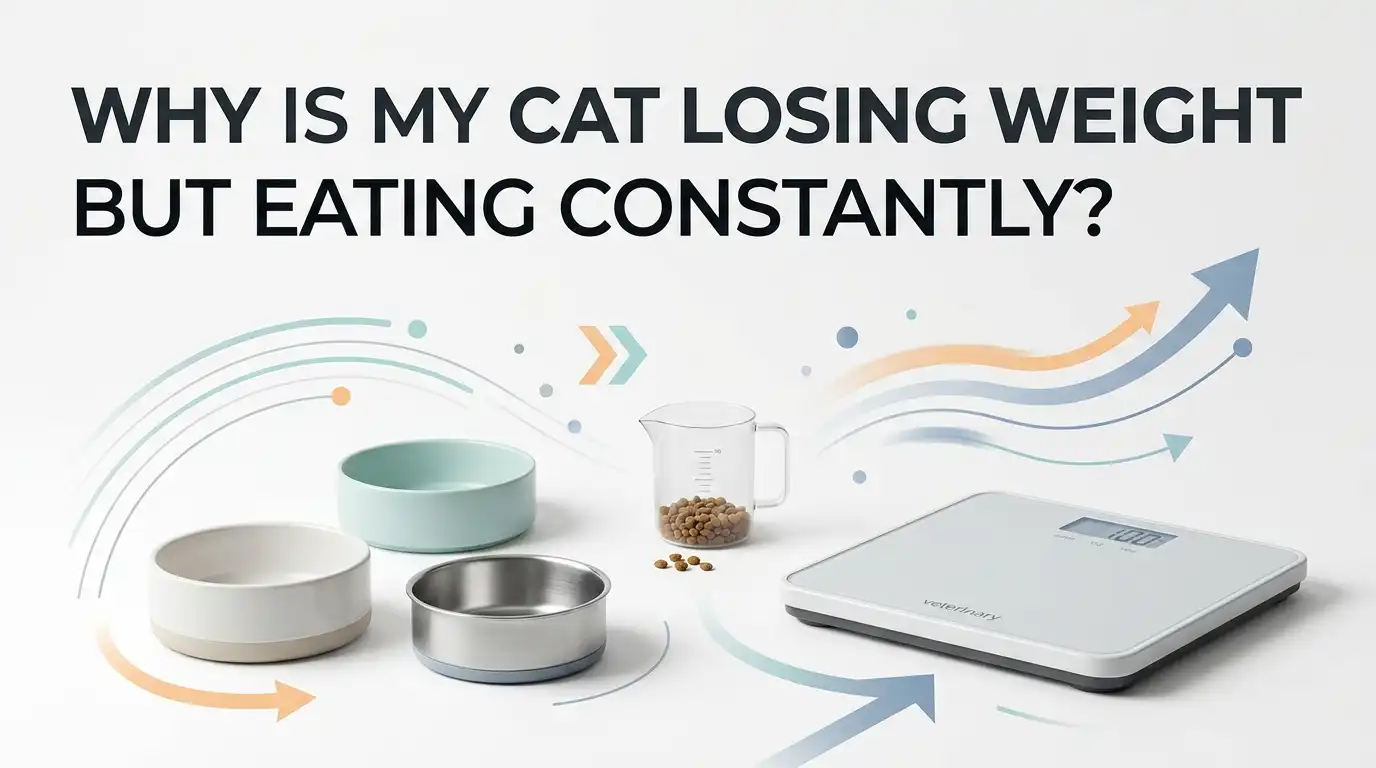
Tracking weight is the single most powerful home tool you have. A loss of 10 percent of body weight is a serious red flag. For a 10 pound cat, that is just one pound.
Small changes matter a lot in cats. Weigh your cat once a week, on the same scale, at the same time of day. A digital scale that reads in ounces or grams works best, because cats are small and pounds are too rough.
Place a familiar towel or box on the scale to keep her calm. Write each number in a notebook or phone note with the date. Watch the trend over several weeks, not just one reading.
A steady downward line tells you and your vet that something needs action now. This habit also helps you confirm that treatment is working later.
Choosing the Right Vet Tests
Your vet will likely suggest a few tests to find the cause. Each test answers a specific question about why the weight is dropping. Knowing them helps you feel prepared. A full blood panel checks the thyroid, blood sugar, kidneys, and liver.
A urine test confirms diabetes and checks kidney health. A fecal test finds parasites. Sometimes a vet adds an ultrasound to look at the gut and pancreas. Special tests like TLI and B12 check for pancreatic and absorption problems.
The thyroid hormone test, called T4, confirms hyperthyroidism. Most of these tests are quick and use a small blood or stool sample. Asking your vet which tests they plan to run, and why, helps you understand the plan and the cost upfront.
Pros and cons of full diagnostic testing:
- Pros: Pinpoints the real cause so treatment works the first time. Catches hidden problems early. Saves money by avoiding wrong treatments.
- Cons: Costs add up, especially with imaging. Some cats find vet visits stressful. Results sometimes need a second round of testing.
Feeding Strategies While You Find the Cause
The right food depends on the diagnosis, so the best move is to ask your vet before big changes. Still, a few general steps help most cats during this time. Offer high quality, protein rich food to support muscle and weight.
Feed smaller meals more often, since this is gentler on the stomach and helps with absorption. Make sure fresh water is always available, especially if your cat drinks more than usual.
Avoid switching foods suddenly, because a fast change can upset the gut and confuse the picture. Warming wet food slightly can boost appetite and intake.
Do not put a thin, hungry cat on a diet to fix weight loss. That instinct backfires here, because the problem is rarely too few calories. Feeding correctly supports your cat while the vet finds the true cause.
The Hidden Danger of Waiting Too Long
It is tempting to wait and see, but this pattern carries a real risk. Rapid weight loss in cats can trigger a dangerous liver condition called hepatic lipidosis. When a cat loses weight fast, the liver gets flooded with fat and can start to fail.
This becomes life threatening quickly. Cats also hide illness very well by instinct, so by the time you notice weight loss, the problem has often been growing for a while.
The underlying causes, like diabetes and hyperthyroidism, also get harder and more expensive to treat as they advance.
Acting early gives your cat the best chance of a full recovery. A vet visit within a week or two of noticing the problem is the safest choice. Waiting rarely helps and often costs more in the end.
When to Call Your Vet Right Away
Some signs mean you should not wait at all. Call your vet the same day if your cat shows any urgent symptom alongside the weight loss. These include stopping eating after weeks of eating well, severe weakness, collapse, or labored breathing.
Also act fast for repeated vomiting, ongoing diarrhea, or yellowing of the eyes, ears, or gums. A sudden refusal to eat in a cat that was just ravenous is a true emergency. It can signal the liver is in trouble.
Even without these red flags, book a routine appointment if the weight keeps dropping for more than a week or two.
Trust your gut as the owner who knows this cat best. You see her every day, so you notice changes a vet cannot see in one short visit. Speaking up early protects her.
Frequently Asked Questions
Can stress make my cat lose weight even though she eats?
Stress can affect appetite and digestion, but it rarely causes a cat to eat more while losing weight. That specific pattern almost always points to a medical cause like thyroid disease, diabetes, or a gut problem. If your cat is eating well yet still dropping weight, do not blame stress alone. Get her checked by a vet to rule out the common physical causes first.
How much weight loss in a cat is serious?
A loss of around 10 percent of body weight is a clear warning sign. For an average 10 pound cat, that is only one pound. Cats are small, so even small changes matter. Any steady downward trend over several weeks deserves a vet visit. Weigh your cat weekly so you can spot the pattern early and act before it becomes severe.
Is it normal for senior cats to lose weight?
Some muscle loss happens with age, but noticeable weight loss is never something to ignore in a senior cat. Older cats are the most likely to develop hyperthyroidism and diabetes, both of which cause this exact problem. If your senior cat is thinning while eating well, treat it as a medical sign. Senior cats benefit from regular checkups and bloodwork to catch these issues early.
Will changing my cat’s food fix the weight loss?
Usually not on its own. The problem is rarely about the food itself, but about the body failing to use it. Changing food without knowing the cause can delay proper treatment. The right diet matters a lot once you have a diagnosis, especially for diabetes or digestive disease. Always pair any food change with a vet exam, not instead of one.
Can I treat my cat’s weight loss at home without a vet?
You can gather useful information at home, like tracking weight, food, and litter box habits. You cannot safely diagnose or treat the underlying cause without a vet. Conditions like hyperthyroidism and diabetes need blood tests and prescription treatment. Home steps support the process, but they are a first step, not a cure. Working with your vet gives your cat the best and fastest recovery.

Hi, I’m Liza — pet lover, lifelong animal enthusiast, and the voice behind Liza4Pets. I created this space to share honest, practical pet care advice for fellow pet parents who want the best for their furry (and not-so-furry) companions.