Why Is My Koi Fish Jumping Out Of The Pond?
You walk out to your pond one morning. You spot a beautiful koi lying on the grass. Your heart sinks.
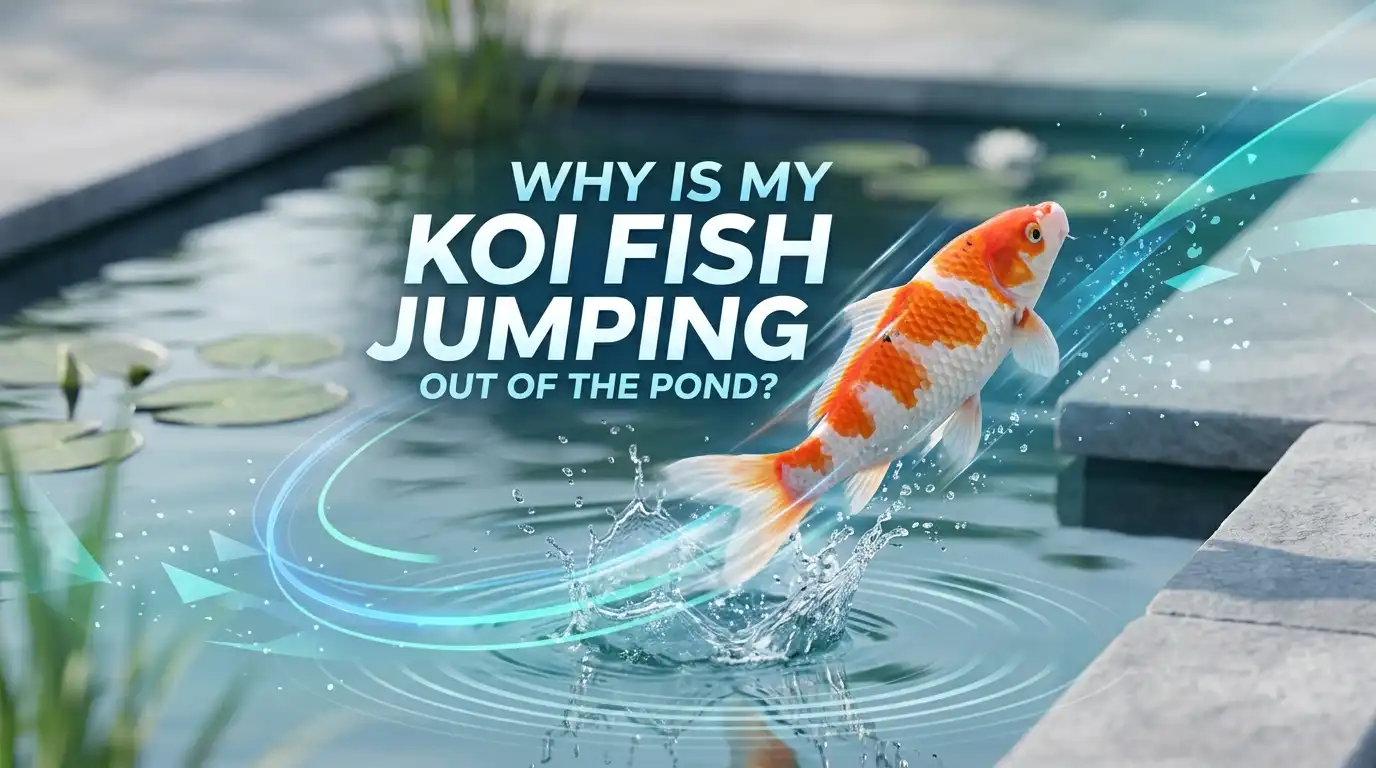
Maybe you have watched your fish leap into the air more than once. This behavior worries every pond owner, and it should. A jumping koi is often a koi in trouble.
The good news is simple. Most jumping problems have clear causes. Once you find the cause, you can fix it. Koi do not jump for fun. They jump because something in their home feels wrong. Your job is to read those signals and act fast.
In A Nutshell:
- Poor water quality is the top cause. High ammonia, nitrite, or wrong pH irritates koi skin and gills. They jump to escape the discomfort. Test your water first, always.
- Low oxygen pushes koi to the surface. Warm water and crowded ponds hold less oxygen. Koi gasp at the top and may leap out. Add aeration right away.
- Parasites cause flashing and jumping. Koi rub on surfaces and jump to relieve itching. A microscope check confirms parasites fast.
- Predators trigger panic jumps. Herons, cats, and raccoons scare koi. Frightened fish bolt and fly out of the water.
- New fish and spawning both cause jumping. Fresh koi need slow acclimation. Spawning koi splash hard during breeding season.
- Physical barriers stop most losses. Pond netting and lower water levels protect your fish while you fix the real problem.
Understanding Why Koi Jump In The First Place
Koi are strong, athletic fish. They have powerful muscles and can launch their whole body into the air. In the wild, jumping helps them clear obstacles and escape danger. So jumping is natural to some degree. The problem starts when jumping becomes frequent or violent.
A healthy koi in a healthy pond rarely jumps. When jumping turns into a habit, your fish is sending a message. Something in the pond is causing stress, pain, or fear. Your koi cannot speak, so it acts.
Think of jumping as an alarm bell. One small leap now and then is fine. Repeated jumping means you must investigate. The sections below cover each trigger in detail. Start with water quality, since it causes most cases. Then work through the other reasons one by one.
Poor Water Quality Is The Number One Cause
Bad water is the most common reason koi jump. Fish waste, leftover food, and rotting leaves all break down into ammonia. Ammonia then turns into nitrite. Both chemicals burn koi skin and gills. The fish jumps to escape the sting.
Your first move is a water test. Buy a liquid test kit and check ammonia, nitrite, nitrate, and pH. Ammonia and nitrite should both read zero. Any reading above zero is dangerous. Nitrate should stay low, under 40 parts per million.
If levels are high, act now. Do a partial water change of 20 to 30 percent. Add a water conditioner to remove chlorine. Clean your filter, but never scrub it with tap water, since that kills helpful bacteria.
Pros: Testing is cheap, fast, and solves most cases. Cons: Liquid kits take a few minutes, and fixing bad water needs patience and steady habits.
Low Oxygen Levels Force Koi To The Surface
Koi need plenty of dissolved oxygen to breathe. Warm water holds less oxygen than cool water. Crowded ponds use oxygen faster. When oxygen drops, koi swim to the top and gasp. Some panic and jump right out.
Watch your fish in the early morning. Oxygen is lowest at dawn. If koi crowd the surface and gulp air, your pond needs more oxygen. Koi should have at least 6 milligrams of oxygen per liter of water.
Fix low oxygen with aeration. Add an air pump with air stones. A waterfall or fountain also pushes air into the water. Spray bars and venturi jets work well too. More water movement means more oxygen for your fish.
Pros: Air pumps are affordable and run all day. They help fish quickly. Cons: Pumps use electricity, and heavy aeration can cool the water in winter, which you must manage.
Parasites Make Koi Itch, Flash, And Jump
Parasites are a very common cause of jumping. Koi cannot scratch with hands. Instead, they rub against rocks and the pond floor. This is called flashing. Many koi also jump to shake off the irritation.
Look for warning signs. Watch for flashing, clamped fins, redness, or white spots. Your koi may also produce extra slime. A microscope check of a skin scrape gives the clearest answer. A koi vet or a good dealer can do this for you.
Treat parasites with care. A salt bath helps with many common parasites. Use pond salt and follow safe dosing rules. Some owners use stronger treatments, but only after they identify the parasite. Wrong treatment can harm your fish.
Pros: Salt is cheap and treats several parasites at once. Cons: Too much salt harms plants and stresses fish, so dosing must stay accurate and limited.
Predators Cause Panic Jumping And Stress
Predators scare koi badly. Herons, cats, raccoons, and hawks all hunt pond fish. When a predator appears, koi bolt in fear. Frightened fish often leap out of the water and land on dry ground.
You may not see the predator, but you can see the clues. Look for missing fish, scattered scales, or muddy footprints. A heron can clear a small pond in days. Even the shadow of a bird can send koi into panic.
Protect your fish with smart barriers. A pond net over the surface blocks birds and stops jumps at the same time. Add hiding spots like caves, pipes, or plant cover. Make your pond at least 3 feet deep, since herons cannot stand in deep water.
Pros: Netting and depth protect fish day and night. Cons: Full nets change the look of your pond, and deep digging costs time and money.
New Koi Often Jump Due To Stress
Fresh koi jump more than settled fish. A new pond feels strange and scary. The water may differ in temperature and chemistry. Sudden change shocks the fish and triggers jumping. This is very common in the first days.
Slow acclimation solves most of this. Float the sealed bag on the pond for about 15 minutes. This matches the temperature. Then add small amounts of pond water into the bag every few minutes. This step matches the water chemistry slowly.
After 30 to 60 minutes, gently release the koi. Never dump the bag water into your pond, since it may carry parasites. Keep the area calm and quiet for the first week. Give new fish places to hide and rest.
Pros: Proper acclimation is free and prevents shock. Cons: It takes patience, and even careful owners may still see a few nervous jumps at first.
Spawning Season Triggers Splashing And Leaping
Koi breed in late spring and early summer. Spawning starts when water reaches about 65 degrees Fahrenheit. During spawning, males chase females hard. This chase creates wild splashing, thrashing, and jumping.
This kind of jumping is natural. It is not a sign of sickness or bad water. You will often see it in the early morning. Males push females against pond walls and plants to release eggs. The action looks rough but is normal koi behavior.
Still, you can reduce risk during this time. Add floating plants or spawning brushes for the eggs. Keep the water clean, since spawning fouls it fast. A net over the pond stops fish from launching out during the chase.
Pros: Spawning means your koi are healthy and mature. Cons: The activity dirties the water quickly and raises the chance of fish leaping onto land.
Sudden Water Changes Shock Your Fish
Koi hate fast change. A big water change, a sudden temperature swing, or a pH shift all stress them. Their bodies cannot adjust quickly. The shock can make them dart and jump in distress.
Always change water slowly. Never replace more than 30 percent at one time. Match the new water temperature as close as you can. Add a dechlorinator before or during every water change. Chlorine from tap water burns gills fast.
Watch your pH closely too. Koi do best between 7.0 and 8.5. Keep the number steady rather than chasing a perfect figure. Low alkalinity causes sudden pH crashes, so test alkalinity and keep it in a safe range.
Pros: Slow, gentle changes keep fish calm and safe. Cons: Small changes take more time, and you must stay consistent week after week.
Overcrowding Raises Stress And Lowers Oxygen
Too many fish in one pond creates problems. Crowded koi compete for oxygen and space. Waste builds up faster, so ammonia rises quickly. Stress climbs, and fish start jumping to escape the pressure.
Check your stocking level. A common guide allows about 1 koi for every 250 gallons of water. Adult koi grow large, often over 2 feet long. Many owners forget how big their fish will become. A crowded pond gets worse over time.
Fix overcrowding with real solutions. Rehome some fish to friends or other ponds. Upgrade to a larger pond if you can. Add stronger filtration and more aeration to support the fish you keep.
Pros: Fewer fish means cleaner water and calmer koi. Cons: Rehoming fish is hard emotionally, and bigger ponds cost a lot to build.
Install Pond Netting To Stop Jumps Fast
Netting is the fastest way to stop koi from landing on the ground. A net over the pond catches fish before they reach dry land. It also blocks herons and other predators. This gives you breathing room while you fix the real cause.
Set the net up correctly. Raise it slightly above the water with posts or a frame. This stops the net from sagging and keeps debris off the surface. A raised net also lets fish swim freely below.
Choose a mesh size that suits your pond. Smaller mesh blocks leaves and small predators. Larger mesh stays nearly invisible from a distance. Check the net often for trapped fish or debris.
Pros: Netting works instantly and protects against many threats. Cons: It changes how your pond looks, and you must clean and maintain it regularly.
Lower The Water Level As A Quick Barrier
Lowering the water level is a simple short term trick. When you drop the level a few inches, fish have less room to launch upward. The added height of the pond wall acts as a barrier. This buys you time to solve the main issue.
Use this method while you treat the real cause. It works well during spawning or after adding new fish. Drop the level by about 4 to 6 inches below the edge. This small gap is often enough to keep fish inside.
Remember this is a temporary fix. Lower water holds less oxygen and heats up faster. So watch your fish closely and add aeration if needed. Return to normal levels once the problem is solved.
Pros: It costs nothing and works right away. Cons: Lower water raises temperature and lowers oxygen, which can create new problems if you wait too long.
Build A Calm Pond Environment For Long Term Peace
A calm pond keeps koi from jumping over time. Stress is the root of most jumping, so reducing stress is your best long term plan. Stable water, good oxygen, and safe hiding spots all help. Happy koi stay underwater where they belong.
Add structure to your pond. Caves, pipes, and tall plants give koi places to hide. Shaded areas help fish feel secure and cool. Plants also soak up nitrates and improve water quality at the same time.
Keep a steady routine. Test your water weekly and clean your filter on schedule. Feed your koi the right amount and never overfeed. Extra food rots and fouls the water fast. A calm, clean pond turns nervous fish into relaxed ones.
Pros: A calm setup prevents many problems at once. Cons: It takes ongoing effort, and building good habits takes time and attention.
When To Call A Koi Vet Or Expert
Sometimes you need expert help. If your koi keeps jumping after you fix the water and add a net, call a specialist. A koi vet can find hidden problems you cannot see. This includes internal parasites and disease.
Reach out when you spot serious signs. Watch for sores, ulcers, weight loss, or fish that stop eating. Repeated jumping with these signs points to a deeper health issue. Acting early gives your fish the best chance.
A good koi dealer can also help. Many do skin scrapes and microscope checks for a small fee. Bring a clear photo or video of the behavior. The more detail you give, the faster they can guide you toward the right fix.
Pros: Experts find problems fast and prevent fish loss. Cons: Vet visits cost money, and koi vets are not available in every area.
Frequently Asked Questions
Is it normal for koi to jump out of the pond?
A small jump now and then is normal. Koi are strong fish and sometimes leap for no harmful reason. Frequent or violent jumping is not normal. It usually means stress, bad water, parasites, or predators. Investigate any repeated jumping right away.
Can a koi survive after jumping out of the water?
Yes, koi can survive if you find them in time. The sooner you return the fish to water, the better. Gently place it back in the pond and watch it closely. A koi out of water for a long time may not recover, so quick action matters most.
How long can a koi live out of water?
A koi can survive only a short time on land, often just a few minutes. Some hardy fish last longer in cool, damp conditions. Time is critical. If you find a koi out of the pond, return it to the water immediately and monitor its recovery.
Will pond netting hurt my koi?
No, a properly set net does not hurt koi. Raise the net above the water so fish cannot reach it. Check the net often for trapped fish or debris. A well placed net protects your koi from both jumping and predators without causing any harm.
Why does my koi jump only at night?
Night jumping often points to predators or low oxygen. Raccoons and cats hunt after dark. Oxygen also drops at night since plants stop producing it. Add aeration and a net to cover both causes. Watch your pond at dawn to check for gasping fish.
Does adding salt stop koi from jumping?
Salt helps only if parasites cause the jumping. It treats many common parasites and reduces stress. Salt does nothing for bad water, low oxygen, or predators. Test your water and check for parasites first. Use salt as part of a full plan, not as a single cure.

Hi, I’m Liza — pet lover, lifelong animal enthusiast, and the voice behind Liza4Pets. I created this space to share honest, practical pet care advice for fellow pet parents who want the best for their furry (and not-so-furry) companions.