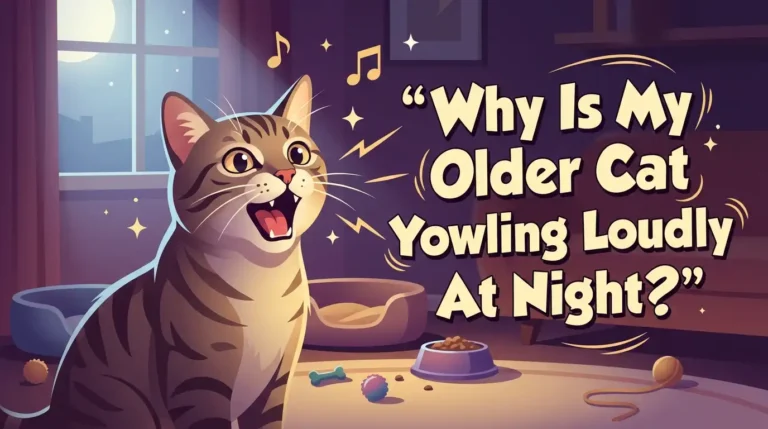
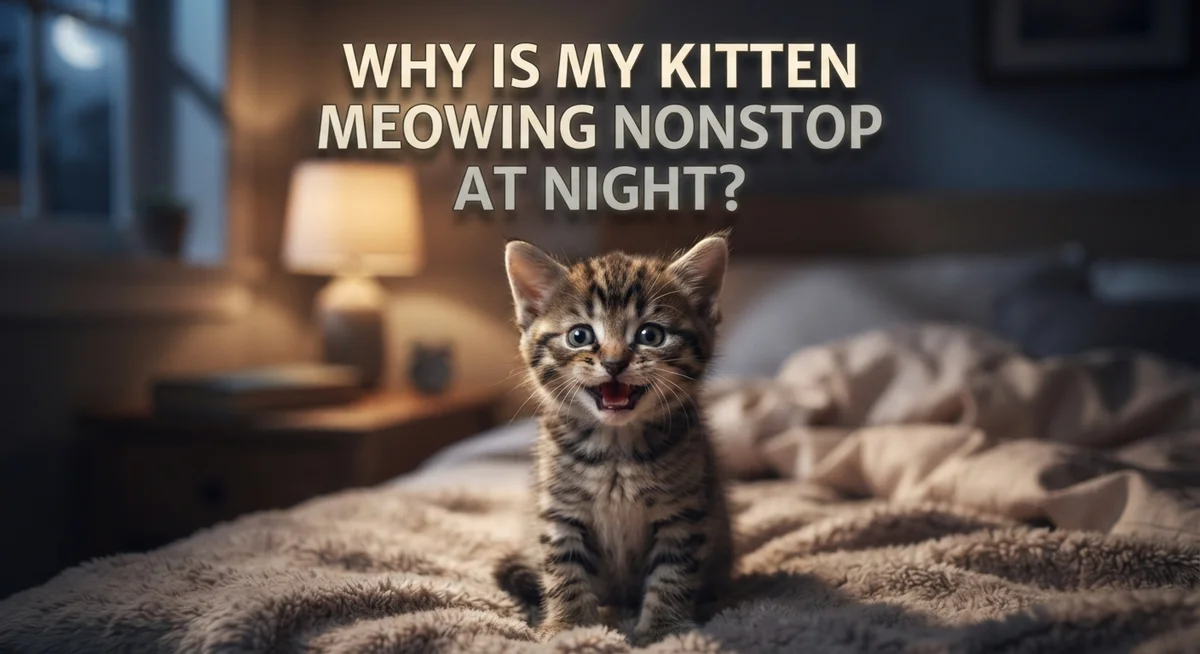
Why Is My Kitten Meowing Nonstop At Night?
Does your kitten turn into a tiny alarm clock every night? You are not alone.
Many kitten owners deal with loud, constant meowing after the lights go out. It can feel confusing and exhausting, especially when you just want some sleep.
The good news is that this behavior has real reasons behind it. Kittens are naturally more active at night. Their bodies are wired to play, hunt, and explore when the house goes quiet.
Sometimes the meowing means something simple, like hunger or a dirty litter box. Other times, it points to loneliness or boredom. Your kitten might just want your attention.
In a Nutshell
- Kittens are naturally active at night. Their bodies stay wired for play and hunting long after the sun sets.
- Loneliness often drives the noise. Your kitten may simply want company or comfort.
- Basic needs matter too. Hunger, thirst, or a dirty litter box can trigger loud meowing.
- Boredom plays a big role. A kitten with low daytime energy use will look for stimulation at night.
- Ignoring the meowing is key. Responding, even with scolding, teaches your kitten that noise gets your attention.
- Play and affection before bed help a lot. Tire your kitten out during the day so nighttime feels calmer.
Understanding Why Kittens Meow at Night
Your kitten meows at night for specific reasons. Understanding these reasons helps you respond correctly.
Cats are naturally nocturnal animals. This means they have energy and alertness when darkness falls. Your kitten’s body clock works differently from yours. Kittens especially feel urges to hunt, play, and explore during nighttime hours. This instinct is hardwired into their DNA.
Loneliness is the most common cause of excessive nighttime meowing. Your kitten may feel isolated when you go to bed. Kittens are social creatures. They want companionship and comfort. When you disappear into your bedroom, your kitten feels abandoned. This triggers distress calls through constant meowing.
Unmet basic needs also cause nighttime noise. Your kitten may be hungry or thirsty. The litter box might be dirty. These simple issues create urgent meowing. Check these basics first before assuming behavioral problems.
Boredom during daytime leads to nighttime activity. If your kitten sleeps most of the day without play or stimulation, they build up energy. This energy explodes at night when the house is quiet. Your kitten needs outlets for their hunting instincts and playfulness.
Attention seeking drives much of the meowing you hear. Kittens learn quickly that noise gets results. If you respond to meowing, even with scolding or picking them up, your kitten learns that meowing works. This reinforces the behavior. Your kitten thinks, “Meowing gets mom or dad to react.”
Age matters too. Older cats sometimes meow more due to confusion or discomfort. Senior cats may experience cognitive changes that increase vocalization.
Understanding the root cause helps you address the problem effectively. Most nighttime meowing comes from loneliness, boredom, or attention seeking rather than medical issues. Once you know why your kitten meows, you can take targeted action to reduce the noise and help your kitten feel secure.
Common Causes of Nonstop Nighttime Meowing
Your kitten meows nonstop at night because of several predictable reasons. Understanding these causes helps you fix the problem faster.
Loneliness is the top reason kittens cry at night. Your kitten spent weeks with littermates before coming home. Now your kitten sleeps alone in a quiet house. The darkness and silence feel scary and isolating. Your kitten calls out hoping you will respond and provide comfort.
Boredom during the day creates nighttime energy. If your kitten naps most of the day without play or mental challenges, all that unused energy comes out at night. Kittens are naturally more active when darkness falls. A tired kitten sleeps better at night. An under stimulated kitten stays awake and vocal.
Basic needs go unmet sometimes. Check if your kitten has fresh water and food available. A dirty litter box also triggers meowing. Kittens communicate their discomfort through sound. They expect you to understand their calls.
Attention seeking is another common cause. Your kitten learns that meowing gets results. Even if you yell or scold your kitten, you are still giving attention. Negative attention still rewards the behavior. Your kitten does not understand the difference between praise and scolding. Both feel like interaction.
Age can play a role too. Senior cats sometimes meow more due to confusion or discomfort. Younger kittens meow to explore their voice and test what works.
The key insight is this: your kitten meows because the behavior works. Something about meowing gets your kitten what it needs or wants. Once you identify which cause applies to your kitten, you can address it directly. The solution depends on whether your kitten needs play, company, basic care, or simply needs to learn that meowing does not bring results.
How to Determine If It’s a Health Issue
Health issues can hide behind constant nighttime meowing. Your kitten might be sick, injured, or in pain. Start by observing your kitten’s overall behavior during the day. Does your kitten eat normally, play, and use the litter box without problems?
Check your kitten’s litter box habits closely. Straining, frequent trips, or blood in urine or stool signal a urinary or digestive problem. These conditions cause real discomfort and trigger urgent meowing. Your kitten cannot tell you in words, so excessive noise is the only way to communicate pain.
Look at your kitten’s eating and drinking patterns. A kitten that suddenly drinks much more water or eats less might have a thyroid issue or other metabolic problem. Sudden appetite changes paired with meowing warrant veterinary attention.
Feel your kitten’s body gently for lumps, swelling, or sensitive areas. Does your kitten cry when you touch certain spots? Flinching or hissing during petting can indicate an injury or infection you cannot see.
Notice if the meowing started suddenly or gradually got worse. Abrupt changes suggest acute illness. Progressive increases might point to age related issues or chronic conditions developing over time.
Temperature matters too. A kitten with fever often becomes vocal and restless. You can feel if your kitten’s ears or nose seem unusually warm.
The key difference is this: behavioral meowing happens regularly but your kitten acts normal otherwise. Health related meowing usually comes with other symptoms like lethargy, appetite loss, or bathroom changes.
When in doubt, contact your veterinarian. Describe the meowing pattern, when it started, and any other changes you noticed. Your vet can examine your kitten thoroughly and run tests if needed. Catching health problems early prevents serious complications and stops the nighttime noise quickly.
Step-by-Step Bedtime Routine to Reduce Meowing
A bedtime routine signals to your kitten that nighttime means rest, not playtime. Start this routine about one hour before you sleep. This gives your kitten time to wind down naturally.
Play actively with your kitten during the evening. Use toys that mimic hunting, like feather wands or small balls. Aim for 15 to 20 minutes of vigorous play. This burns energy your kitten would otherwise use for nighttime meowing. A tired kitten sleeps better.
After playtime, offer a meal or small snack. Eating makes kittens drowsy, just like humans. Provide fresh water too, but place it away from the sleeping area so your kitten doesn’t need to meow for drinks during the night.
Clean the litter box before bedtime. A fresh, accessible box prevents your kitten from meowing to alert you to a dirty space. Check that the box sits in a quiet, accessible location away from sleeping areas.
Spend calm time together without toys. Gentle petting and quiet talking help your kitten relax. This satisfies your kitten’s need for attention before nighttime arrives. Your kitten feels secure and less likely to seek attention through meowing.
Dim the lights gradually as bedtime approaches. Soft lighting tells your kitten that activity is slowing down. Keep the bedroom quiet and cool, around 65 to 75 degrees Fahrenheit.
When bedtime arrives, stay consistent. Use the same routine every single night. Consistency teaches your kitten what to expect. Your kitten learns that meowing won’t change the schedule.
Never respond to nighttime meowing. This is the most critical step. Responding with attention, talking, or even scolding rewards the meowing behavior. Your kitten learns that noise gets results. Ignore meowing completely, even if it feels difficult. Only give attention when your kitten is quiet.
This routine works best when every family member follows it exactly the same way. Inconsistency confuses your kitten and extends the problem.
Tips for Encouraging Quiet, Independent Sleep
Your kitten needs to learn that quiet behavior brings rewards, not meowing. This approach takes patience but works well when you stay consistent.
Start by ignoring all nighttime meowing completely. When your kitten cries for attention at 2 AM, do not respond. No talking, no scolding, no eye contact. Even negative attention teaches your kitten that meowing works. Your kitten will likely meow louder before things improve. This is called an extinction burst. Stay strong during this phase.
Instead, reward quiet moments. When your kitten is calm and silent, offer praise, gentle petting, or a small treat. Your kitten learns that being quiet brings good things. Timing matters here. Give rewards within seconds of the quiet behavior so your kitten makes the connection.
Create a comfortable sleep space away from your bedroom if possible. Many kittens meow because they want to be near you. A cozy bed in another room with soft blankets helps your kitten feel secure without needing constant reassurance. Leave a dim light on if your kitten seems anxious.
Daytime attention prevents nighttime neediness. Spend quality time with your kitten during daylight hours. Play sessions, interactive games, and cuddle time satisfy your kitten’s need for connection. A tired kitten sleeps better at night.
Stick to the same bedtime every single night. Consistency helps your kitten’s body clock adjust. Your kitten learns when sleep time arrives and what to expect.
Use white noise or soft background sounds. These mask household noises that trigger meowing. Many kittens sleep better with gentle, consistent sound in the background.
Every family member must follow these rules identically. If one person responds to meowing while others ignore it, your kitten gets confused. Mixed messages make the problem worse and take longer to fix.
Mistakes That Make Nighttime Meowing Worse
Many cat owners accidentally make nighttime meowing worse without realizing it. Understanding these common mistakes helps you stop reinforcing the behavior.
Responding to meowing is the biggest mistake you can make. When your kitten cries at 2 AM and you pet them, talk to them, or even yell at them, you’re rewarding the noise. Your kitten learns that meowing gets results. Even negative attention counts as a reward to your kitten.
Shouting or scolding doesn’t work either. Your kitten doesn’t understand punishment the way you think. They only know that meowing brought you into the room. This keeps the cycle going stronger.
Being inconsistent creates major problems too. If you ignore meowing on Monday but respond on Tuesday, your kitten becomes confused and meows even more. Cats need predictable rules from everyone in the household. One family member giving in ruins everyone’s progress.
Giving your kitten too much nighttime freedom is another trap. If your kitten sleeps in your bedroom, they have easy access to you for attention. Placing them in a separate room removes this temptation entirely.
Skipping the daytime bonding makes nighttime worse. A kitten that feels lonely all day will cry all night. Spending quality playtime and cuddle time during daylight hours reduces nighttime neediness significantly.
Changing your bedtime routine confuses your kitten. If you play with them sometimes before bed but not always, they never know what to expect. Consistency signals that nighttime means sleep, not entertainment.
Forgetting to meet basic needs before bedtime sets you up for failure. A kitten with a full belly, clean litter box, and empty bladder has no legitimate reason to cry. Check these three things every single night.
The key principle is simple: reward quiet behavior only. Never accidentally reward meowing with any type of attention.
Troubleshooting Persistent or Sudden Meowing
Your kitten may meow nonstop at night for several clear reasons. Understanding what triggers the behavior helps you fix it quickly.
Boredom and low energy are common culprits. Kittens have natural hunting instincts that peak during evening hours. If your kitten hasn’t played much during the day, nighttime becomes their chance to hunt and explore. This excess energy comes out as constant meowing and restless behavior.
Loneliness and attention seeking drive many kittens to vocalize. Your kitten may feel isolated when you sleep. They call out hoping you’ll respond or play. Even negative attention (like shouting) reinforces the meowing because your kitten still gets a reaction.
Unmet basic needs also trigger persistent meowing. Check if your kitten has access to fresh water and a clean litter box. Hunger or a dirty bathroom can cause distress calls throughout the night. These needs must be met before bedtime.
Sudden changes in meowing patterns deserve attention. If your kitten suddenly meows loudly or excessively when they didn’t before, a health issue could be present. Urinary problems, pain, or illness cause behavioral changes. A vet visit rules out medical causes.
Age matters too. Senior kittens or young adult cats sometimes develop cognitive changes that increase vocalization. Younger kittens also go through phases of high activity and neediness.
The key is identifying which cause applies to your situation. Start by ensuring basic needs are met. Then track when the meowing happens and what triggers it. Does it start after playtime ends? Does it happen when your kitten feels lonely? Your observations guide the right solution. Most nighttime meowing stems from preventable causes you can address through routine changes and consistent responses.
Final Thoughts
Your kitten’s nighttime meowing has real causes behind it. Boredom, loneliness, and unmet needs top the list. Sudden changes can signal health issues too.
The good news is simple: most nighttime meowing responds well to consistent training. Your kitten wants comfort and connection. You just need to teach them the right way to get it.
Patience makes the biggest difference here. Kittens do not change habits overnight. Give your training methods at least two weeks before judging results.
Stay consistent with your approach every single night. Mixed signals confuse kittens and slow their progress. Everyone in your house must follow the same rules.
Focus on daytime play and bonding first. A tired, happy kitten sleeps better at night. This simple step prevents many meowing problems before they start.
Always check basic needs before bedtime. Fresh water, clean litter, and a full belly matter. These small details often solve big nighttime problems.
Watch for sudden changes in your kitten’s meowing patterns. New, loud, or desperate sounds might mean pain or illness. Trust your instincts and call your vet when something feels off.
Remember that meowing is communication, not manipulation. Your kitten is not trying to control you. They simply want connection, comfort, or help with a real need.
Building good sleep habits takes teamwork between you and your kitten. Reward the behavior you want to see more of. Ignore the behavior that disrupts your sleep.
Most kittens learn quiet nighttime habits within a few weeks. Stay calm during the adjustment period. Your consistency today creates peaceful nights for both of you tomorrow.
With patience and the right approach, those noisy nights become a distant memory. Your kitten will learn to settle down. You will both sleep better soon.
Frequently Asked Questions
Why does my kitten meow more at night than during the day?
Kittens are naturally more active when it gets dark. Their wild ancestors hunted at night, so this behavior is instinctive. Your kitten’s energy levels peak in the evening and early morning hours. This is completely normal cat behavior, not a sign of a problem.
Is my kitten meowing because they’re lonely?
Yes, loneliness is the primary reason most kittens meow nonstop at night. Your kitten may be seeking your attention or company. They don’t understand that you need to sleep. Spending quality playtime with your kitten during the day helps reduce nighttime vocalization significantly.
Should I get up and comfort my kitten when they meow at night?
No. This is the biggest mistake you can make. When you respond to meowing, your kitten learns that meowing gets results. Even negative attention like shouting reinforces the behavior. Ignoring the meowing completely teaches your kitten that nighttime noise doesn’t work.
What should I do before bedtime to prevent excessive meowing?
Make sure your kitten has a clean litter box, fresh water, and food available. Play with your kitten for 15 to 20 minutes before you sleep. This burns off excess energy and helps them feel tired. A tired kitten sleeps better and meows less.
Could sudden loud meowing mean something is wrong?
Possibly. If your kitten suddenly changes their meowing pattern, check for health issues or environmental changes. A vet visit helps rule out pain or illness. Changes in your routine or home environment can also trigger sudden meowing increases.

Hi, I’m Liza — pet lover, lifelong animal enthusiast, and the voice behind Liza4Pets. I created this space to share honest, practical pet care advice for fellow pet parents who want the best for their furry (and not-so-furry) companions.