Why Is My Cat Panicking Inside Their Bubble Backpack?
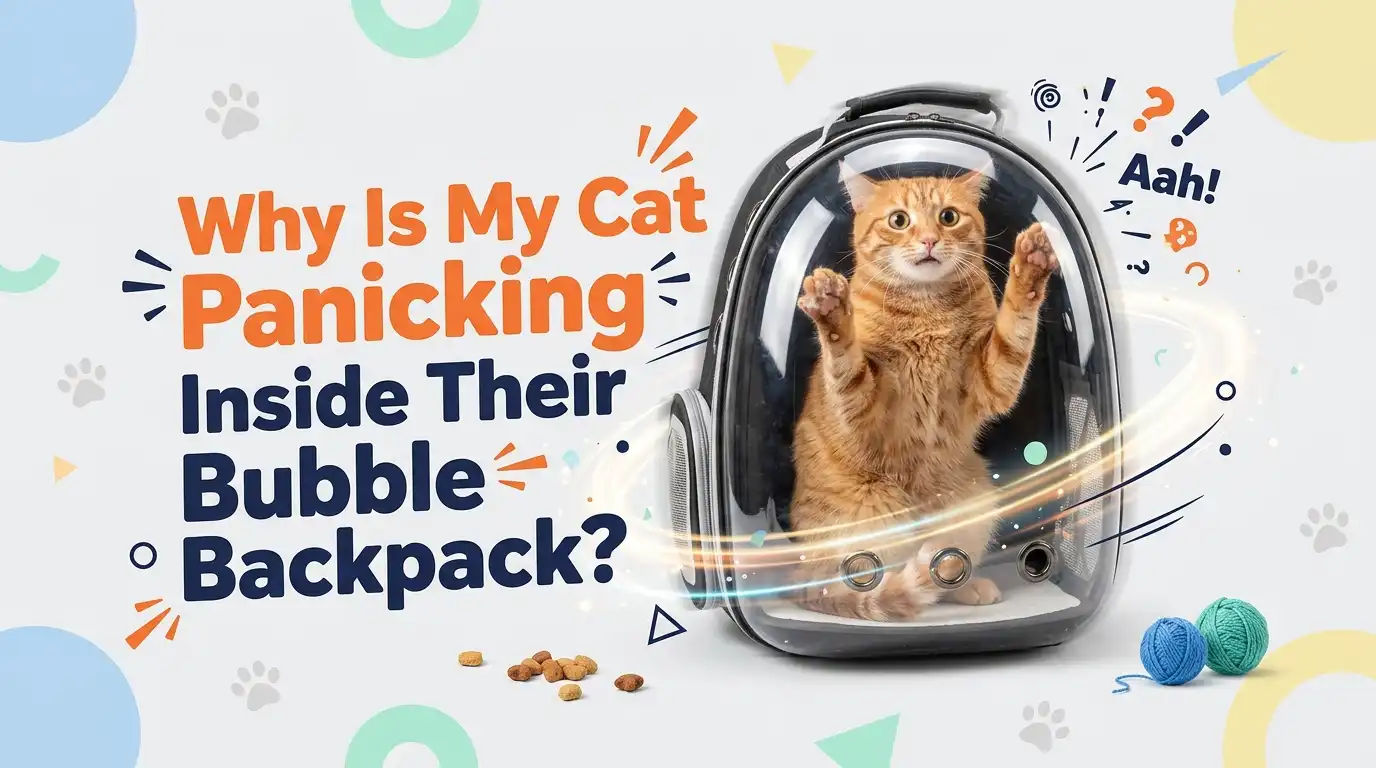
Your cat looked adorable peeking out of that bubble window. Then the meowing started. Maybe the drooling, the clawing, or the wide eyes that screamed let me out.
If your cat panics inside their bubble backpack, you are not a bad pet parent, and your cat is not broken. Something about the bag feels wrong to them right now. The good news is that most panic has clear causes, and almost all of them have simple fixes.
This guide walks you through why the panic happens and exactly how to calm it. You will learn the warning signs, the safety checks, and a gentle step by step plan. Let us help your cat feel safe so your adventures can finally begin.
In a Nutshell:
- Panic is almost always fear, not stubbornness. Your cat feels trapped, exposed, too hot, or rushed. Cats hate being forced, and the bubble window can make them feel unsafe rather than cozy.
- Bubble backpacks have a real design flaw. Many bubble bags are cramped and poorly ventilated. Cats like to hide, and a clear dome gives them nowhere to retreat. Air flow and space matter more than looks.
- Slow training beats fast forcing every single time. Positive reinforcement using treats, toys, and scent turns the bag from scary into safe. Rushing the process causes most panic episodes.
- Watch for danger signs. Heavy drooling, open mouth breathing, shaking, and a racing heart mean stop now. Get your cat out and cool them down right away.
- Short trips only. You cannot fit litter, food, or water in a backpack, so a bubble bag suits brief outings, not long days. Comfort and safety always come before the photo.
What Panic Actually Looks Like in Your Cat
You need to read your cat correctly before you can help them. Panic is more than a few unhappy meows. A truly frightened cat shows clear body signals.
Watch for flattened ears, dilated pupils, and a tucked tail. Your cat may pant with an open mouth, which is rare and serious in cats. Drooling, shaking, and frantic clawing at the zipper are loud cries for help.
Some cats freeze completely and go silent, which people often mistake for calm. A frozen cat is just as scared as a screaming one.
Other signs include excessive shedding, sweaty paw prints, and trying to bury their head. Learn your cat’s normal relaxed look first. That way you can spot the difference between mild nerves and real distress fast.
Reason One: Your Cat Feels Trapped and Cannot Hide
Cats are both predators and prey animals. Hiding is how they feel safe in a scary moment. A bubble backpack often removes that option completely. The clear dome puts your cat on display from every angle.
To a cat, being fully visible feels like being exposed to danger. There is no dark corner to press into and no way to disappear. This single design choice causes a huge amount of panic. The fix is to give your cat a sense of cover.
Drape a light breathable cloth over part of the bubble during the early outings. Add a soft blanket inside that smells like home. A cat that can partly hide feels far more in control. Control lowers fear, and lower fear means less panic.
Reason Two: Poor Air Flow and Rising Heat
This reason is the most serious one, so read it closely. Many bubble backpacks trap heat and limit fresh air. The sealed plastic dome can turn into a tiny greenhouse fast. Cats cannot sweat to cool down the way people do, so they overheat quickly.
A hot, stuffy bag causes panic, drooling, and in bad cases real danger. Always check the bag for mesh panels and open vent holes before you use it. Open every air port the bag has, even on cool days. Never use a bubble backpack in direct sun or warm weather.
Pros of choosing a well vented bag: your cat stays cooler, breathes easier, and panics far less. Cons: the most breathable bags often look less sleek and cost more. Pick safety over style every time. Your cat’s comfort is worth more than a cute photo.
Reason Three: You Moved Too Fast
This is the most common mistake, and it is easy to fix. Many owners zip the cat in and walk out the door on day one. From your cat’s view, this is sudden and terrifying. The bag is strange, the motion is strange, and the outside world is loud.
Cats need time to build trust with any new object. Skipping the slow introduction almost guarantees panic. The bag then becomes a scary thing your cat fights forever. Start over and go slow, even if it feels silly.
Pros of slow training: lasting calm, real trust, and a cat that may walk in on their own. Cons: it takes days or weeks of short sessions and patience. Slow is boring but it works. Fast feels efficient but it usually backfires badly.
Reason Four: The Bag Smells Wrong or Brand New
Your cat lives in a world built on scent. A brand new backpack smells like plastic, factory glue, and strangers. To a cat, an unfamiliar smell signals possible danger. This alone can trigger refusal and panic.
Scent is one of the easiest things you can fix at home. Rub a soft cloth on your cat’s cheeks, then wipe it inside the bag. This spreads their own friendly facial scent around the space. Place a worn t shirt of yours inside so the bag smells like you.
Let the new bag air out for a few days first to clear chemical odors. You can also use a calming feline pheromone spray made for carriers. Spray it inside twenty minutes before each session, never on your cat. Familiar smells tell your cat this place is safe.
Reason Five: Motion, Bouncing, and Strange Sounds
Once you start walking, a new wave of fear can hit. The bag sways, bounces, and tilts with every step you take. Your cat has no control over this movement at all. Combine that with traffic noise, dogs, and crowds, and panic builds quickly.
A cat who was calm at home may melt down outside. Movement and sound are simply too much, too soon. The fix is to add motion in tiny steps. First wear the loaded bag while standing still indoors.
Then take a few slow steps around your living room. Keep your walk smooth and avoid sudden turns or stairs. Talk to your cat in a soft, steady voice as you move. Build up to busy areas only after quiet ones feel boring to your cat.
Reason Six: Your Cat Is Simply Not a Backpack Cat
Here is an honest truth many guides skip. Not every cat will ever enjoy a backpack, and that is okay. Confident, curious, and young cats tend to adjust best. Shy, senior, or anxious cats may always find it stressful.
Forcing a fearful cat into adventures helps no one. Watch your cat’s overall pattern across many sessions. If weeks of gentle training bring zero progress, listen to them. Pushing harder will only damage your bond and their trust.
Some cats are happy homebodies, and that is a full, good life. You can still enrich their world indoors with play, perches, and window views. Respecting your cat’s limits is a sign of great love, not failure. The right answer is the one your cat is comfortable with.
How to Do a Quick Safety Check Before Every Trip
A short check protects your cat every single time. Run through this list before you ever zip the bag closed. First, open all mesh panels and vent holes for air flow. Second, feel inside the bag with your hand to check the temperature.
If it feels warm or stuffy to you, it is too hot for your cat. Third, confirm the base is firm and flat so your cat can stand. Fourth, attach your cat’s harness to their own leash, not the built in tether.
A built in tether can hurt a cat who tries to jump out a top opening. Fifth, pack water and a small bowl for breaks. Sixth, plan a short route with shade and quiet. A two minute check prevents most emergencies before they start.
A Gentle Step by Step Plan to Stop the Panic
This is your full training roadmap from scared to settled. Work at your cat’s pace and never skip ahead. Repeat each step over several short sessions.
- Leave the open bag out in a favorite room so your cat explores it freely.
- Toss treats and toys inside so your cat links the bag with good things.
- Feed meals near, then inside the open bag to build a happy habit.
- Reward any contact with calm praise and a tasty treat.
- Lure your cat in with a treat, then let them leave right away.
- Zip the bag for a few seconds, open it, and reward, then build up slowly.
- Lift the bag briefly, set it down, open, and reward your cat.
- Wear it indoors, take a few steps, then return and treat.
- Step outside for one minute, then go right back in and reward.
Always give the treat inside the bag. End every session while your cat is still calm.
What to Do During an Active Panic Moment
Sometimes panic happens even when you did everything right. Your job in that moment is to lower the fear fast. Stop walking and find a quiet, shaded, calm spot. Speak in a low, soothing voice and avoid sudden movements.
If your cat shows drooling, panting, or shaking, get them out now. Open the bag in a safe enclosed area or hold the harness firmly first. Offer water and let your cat cool down completely. Do not scold your cat or force them back inside.
Punishment turns one bad trip into a lasting fear. Once home, give them space, food, and a quiet place to rest. Note what triggered the panic so you can avoid it next time. Then return to an easier training step before trying again.
Bubble Backpacks Versus Other Carrier Styles
Choosing the right gear can solve panic at the source. The bubble style is only one option among several. Comparing them helps you pick what fits your cat.
Bubble backpacks offer a fun view and a snug shape. Pros: cute look and a clear window some bold cats enjoy. Cons: often cramped, poorly vented, and they leave no place to hide.
Mesh backpacks use breathable fabric on most sides. Pros: great air flow and a softer, less exposed feel. Cons: less rigid, and very shy cats may still feel seen.
Hard sided carriers feel like a sturdy den. Pros: stable, private, and easy to clean. Cons: heavier and harder to carry far on foot.
For an anxious cat, a roomy, well vented carrier with a hiding option usually wins. Match the carrier to your cat, not to the trend.
Setting Up the Bag for Maximum Comfort
Small comfort touches make a big difference in calm. A cozy bag feels like a safe den instead of a trap. Line the base with a soft, washable blanket that smells like home. Choose a firm flat base so your cat can stand and turn around.
A stable floor stops the wobbly feeling that scares many cats. Add one favorite toy but avoid crowding the space. Keep the bag at a size where your cat can sit, stand, and lie down. Too much empty space feels unstable, and too little feels like a cage.
Use a calming pheromone spray inside before each trip. Cover part of any clear dome with a light cloth for privacy. Keep the inside cool and shaded at all times. These small steps turn a scary bag into a comfort zone.
Knowing When to Call Your Vet
Some signs need a professional, not just more training. Trust your gut if something seems truly wrong with your cat. Contact your vet if panic comes with vomiting or collapse. Open mouth breathing, blue gums, or extreme drooling are emergencies.
These can point to overheating or a serious stress response. Get your cat cool and to a vet right away. Also call if your cat stays scared, hidden, or off food after trips. A vet can rule out pain or illness that worsens travel fear.
Some anxious cats benefit from a vet recommended calming aid. Never give your cat any medication or supplement without vet approval. Your vet can also confirm whether travel suits your cat at all. Professional guidance keeps your cat safe and your mind at ease.
Frequently Asked Questions
Are bubble backpacks bad for cats?
Bubble backpacks are not automatically bad, but many have real flaws. The common problems are poor air flow and tight, cramped space. Cats also dislike being fully visible with no place to hide. A good bubble bag has lots of mesh, vents, and room to turn around. Use it for short trips only and never in heat or sun. A well chosen, well vented bag used briefly can be safe for the right cat.
How long can my cat stay in a bubble backpack?
Keep trips short, since you cannot bring litter, food, or water inside. Most cats do best with outings under thirty minutes at first. Build time slowly and always offer water breaks during longer walks. Watch closely for any sign of overheating or stress. End the trip the moment your cat seems too warm or upset. Comfort always matters more than covering extra distance.
Why does my cat cry the whole time in the backpack?
Crying usually means your cat feels scared, trapped, or overwhelmed. The bag, the motion, and the noise may all feel like too much. Go back to slow indoor training before trying outdoor trips again. Add familiar scents and a hiding cloth to help them feel safe. A frozen, silent cat is just as scared as a crying one. Never punish the meowing, since that only deepens the fear.
Can I train an older or anxious cat to use one?
You can try, but you should go slower and expect less. Senior and anxious cats often find backpacks harder to accept. Use very short, gentle sessions with lots of treats and praise. Stop if weeks of effort bring no progress at all. Some cats are happier staying home, and that is perfectly fine. Ask your vet for advice if your cat seems deeply stressed.
What should I do if my cat overheats inside the bag?
Act fast, because overheating is a true emergency for cats. Get your cat out of the bag and into shade or cool air. Offer water and gently wet their paws and ears with cool water. Watch for panting, drooling, weakness, or bright red gums. Call your vet right away if these signs appear or continue. Prevent it next time by avoiding heat, sun, and stuffy, sealed bags.

Hi, I’m Liza — pet lover, lifelong animal enthusiast, and the voice behind Liza4Pets. I created this space to share honest, practical pet care advice for fellow pet parents who want the best for their furry (and not-so-furry) companions.