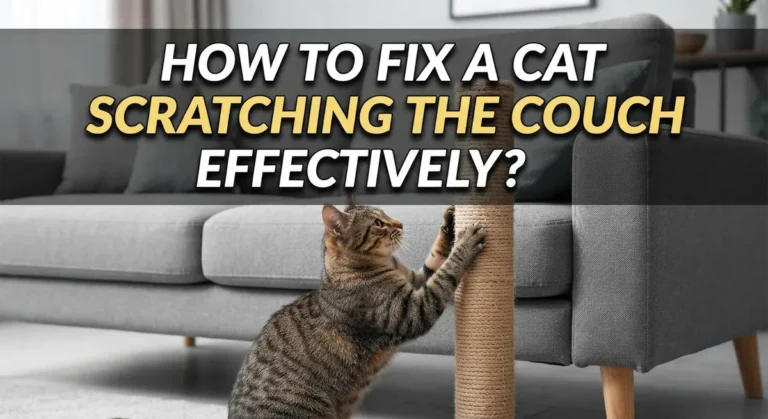

How To Stop Cats Scratching Furniture? A Complete Guide
Does your cat treat your sofa like a personal scratching pad? You are not alone. Scratching feels natural to cats, and it helps them stretch, mark territory, and keep their claws healthy.
The good news? You can protect your furniture without stopping this instinct completely. The key is to redirect your cat’s energy toward better options.
In this guide, we will show you simple, practical ways to save your furniture. You will learn how to pick the right scratching posts and where to place them.
In a Nutshell
- Scratching is normal. Cats scratch to stretch, mark territory, and keep claws healthy. Your goal is to redirect this habit, not stop it.
- Give them options. Place scratch posts near furniture your cat already targets. Follow the 1+1 rule: one post per cat, plus one extra.
- Use physical deterrents. Try double sided tape, sandpaper, or vinyl runners on furniture. Cats avoid sticky or odd textures.
- Cover and protect. Blankets or slipcovers add a simple barrier. They also protect fabric while your cat adjusts to new habits.
- Try safe sprays. Pet safe deterrent sprays discourage scratching in specific spots. Apply them consistently for best results.
- Reward good choices. Praise your cat when they use the scratch post. Positive reinforcement builds lasting habits.
- Avoid common errors. Too few posts, bad placement, or inconsistent deterrents often cause setbacks. Fix these early for faster success.
Why Cats Scratch Furniture: Understanding the Behavior
Cats scratch furniture for several important reasons. Understanding why your cat scratches helps you address the behavior effectively.
Your cat scratches to stretch their muscles and tendons. When they pull their claws downward on a surface, they work out their shoulder and leg muscles. This stretching keeps them limber and ready for activity.
Scratching also marks territory. Cats have scent glands in their paws. When they scratch, they leave behind a scent that says “this is mine.” This is especially true for furniture in high traffic areas of your home.
Your cat uses scratching to shed old claw sheaths. As their nails grow, the outer layer becomes dull and uncomfortable. Scratching removes this dead layer and reveals sharp, fresh claws underneath. Healthy claws are essential for climbing, hunting, and self defense.
Scratching is also an emotional outlet. Cats scratch when they feel stressed, excited, or anxious. It helps them release pent up energy and calm their nerves. A cat that hasn’t scratched recently may feel frustrated or tense.
Furniture attracts cats for scratching because of its texture and height. Sofas, chairs, and carpets offer the perfect resistance for their claws. Vertical surfaces like chair arms let cats stretch fully while scratching.
Some cats scratch more than others based on personality and age. Younger cats tend to scratch more frequently as they explore and develop habits. Cats with outdoor access may scratch less indoors since they use trees and fence posts outside.
The key point: scratching is not a behavior problem. It is a normal, healthy activity your cat needs to do. Your job is not to stop scratching entirely. Instead, you redirect it toward appropriate surfaces while protecting your furniture.
The 1+1 Rule: Providing Enough Scratching Alternatives
The 1+1 rule is simple but powerful. For each cat you own, provide one scratch post or alternative. Then add one extra. This means if you have two cats, you need three scratch options total.
Why does this work? Cats are territorial animals. When multiple cats share a home, they each want their own scratching space. Without enough options, they compete and may resort to scratching your furniture instead. The extra post ensures every cat has access to a scratching surface whenever they need it.
Location matters as much as quantity. Place scratch posts near the furniture your cat already targets. If your cat scratches the sofa arm, put a post right beside it. Cats are lazy and will use the easier option. A post hidden in a corner won’t help much.
Different cats prefer different textures. Some love vertical posts. Others prefer horizontal surfaces or angled scratchers. Offer variety so each cat finds what works best for them. Watch which scratching styles your cats use most, then provide matching alternatives.
Keep posts in high traffic areas. Cats scratch when they wake up, after meals, and when excited. Posts near these zones get more use. Also place one near your bed or favorite sitting spot.
Quality matters too. Flimsy posts that wobble or tip over won’t satisfy your cat. They want stable, sturdy surfaces that don’t move when they scratch. A good post feels secure and satisfying to use.
Check your posts regularly. When they get worn and shredded, that means your cats love them. Replace worn posts to keep the scratching redirected away from your furniture. Consistency with this rule prevents most furniture scratching problems.
Choosing and Placing Scratch Posts for Success
Scratch posts work best when you place them strategically around your home. Your cat needs easy access to these alternatives, so position them near furniture they already target. If your cat scratches the couch armrest, put a post right beside it. This makes the post more appealing than the furniture itself.
Height matters significantly. Cats love to scratch tall posts where they can fully stretch their bodies. A post that reaches at least three feet tall gives your cat room to extend upward and work their muscles. Shorter posts often get ignored because they don’t satisfy your cat’s natural stretching needs.
Consider the room layout when placing posts. High traffic areas work best because your cat passes through these spaces regularly. Entryways, hallways, and spots near windows are ideal locations. Your cat will use the post when they naturally feel the urge to scratch.
Different textures appeal to different cats. Some prefer sisal rope, while others like corrugated cardboard or carpet. Observe which materials your cat gravitates toward, then choose posts with those textures. You might need to experiment with a few options.
Stability is essential. A wobbly post frustrates cats and they’ll abandon it quickly. Make sure your post stands firmly on the ground without tipping. A sturdy post gives your cat confidence to scratch with full force.
The 1+1 rule applies here too. If you have two cats, place three posts in different locations. This prevents competition and gives each cat their own scratching zone. Multiple posts also increase the chances your cat will find one convenient to use.
Using Physical Deterrents to Protect Furniture
Physical deterrents work by making furniture unappealing to your cat. The goal is simple: make scratching the couch less attractive than using a scratch post.
Double sided tape is one of the most effective options. Cats dislike sticky textures on their paws. Apply the tape directly to furniture surfaces your cat targets. The tape peels off easily and leaves no damage. Replace it every few weeks as it loses stickiness.
Plastic sheeting and vinyl runners create unfamiliar textures cats avoid. Lay them over armrests, cushions, or sofa corners. Cats prefer natural surfaces like wood and fabric. Plastic feels wrong to their claws, so they move away.
Sandpaper works differently. Rough surfaces feel uncomfortable during scratching. Attach it to furniture edges or wrap it around vulnerable spots. Some cats dislike the texture immediately. Others need a few days to learn.
Blankets and slipcovers provide a protective barrier. They hide your furniture and create a less appealing surface. This method works well if your cat hasn’t already claimed the spot. Once they start scratching, deterrents become harder to apply.
Important tip: Consistency matters greatly. Leave deterrents in place for at least two to three weeks. Your cat needs time to form new habits. Remove them too early, and scratching often returns.
Combine physical deterrents with proper scratch post placement. Deterrents alone won’t solve the problem. Your cat still needs appropriate outlets for scratching. The combination redirects their natural behavior away from furniture and toward better alternatives.
Applying Scents and Sprays to Discourage Scratching
Scents and sprays offer a practical way to make your furniture less appealing to your cat. These products work by creating smells your cat finds unpleasant or unfamiliar, naturally steering them away from sofas and chairs.
Citrus scents are particularly effective deterrents. Cats dislike strong citrus smells like lemon, orange, and grapefruit. You can apply citrus spray directly to furniture or use citrus scented products in areas your cat targets. The smell fades over time, so reapply every few days for best results.
Menthol and eucalyptus are other scents cats typically avoid. These create a cooling sensation cats find uncomfortable. Many commercial deterrent sprays contain these ingredients because they work reliably across different cat personalities.
Peppermint spray is another option worth trying. Cats find the strong minty aroma off-putting. Apply it to furniture corners and edges where your cat scratches most frequently.
When using any spray, test it first on a hidden furniture spot. Some sprays may stain or damage certain fabrics. Always check that the product is pet-safe before application.
Consistency is key with scent deterrents. Your cat needs to experience the unpleasant smell every time they approach the furniture. If you skip applications, your cat may return to scratching.
Combine scent sprays with your scratch posts for better results. Apply deterrents to furniture while placing attractive scratch alternatives nearby. This double approach teaches your cat where scratching is welcome.
Remember that scent deterrents work better for some cats than others. Every cat has different preferences. If one scent doesn’t work after two weeks of consistent use, try a different option. Patience and persistence help you find what works best for your specific cat.
Training Techniques to Redirect Scratching Behavior
Training your cat to use appropriate scratching surfaces requires patience and consistency. The key is making scratching alternatives more appealing than your furniture.
Start by rewarding your cat immediately when you see them scratching their designated post. Use treats, praise, or gentle petting right away. Cats learn quickly when they connect their behavior to positive outcomes. This creates a strong association between the scratch post and reward.
When you catch your cat scratching furniture, gently interrupt them without punishment. Move them to their scratch post instead. Reward them for scratching the post, even if they only sniff it at first. Punishment creates fear and confusion, not better behavior.
Redirect scratching during peak times for best results. Cats scratch most after waking up, following meals, and when excited. Place your cat near their scratch post during these moments. Encourage them to use it by rubbing catnip on the surface or playing nearby.
Keep training sessions short and positive. Your cat should associate scratch posts with fun and rewards, not frustration. Practice this redirection daily for several weeks until the behavior becomes automatic.
Use a consistent verbal cue like “scratch here” when guiding your cat to the post. Over time, they’ll learn what this means. Combine your cue with immediate rewards for faster learning.
Multiple cats need individual attention during training. Work with each cat separately to reinforce their preferred scratching location. This prevents competition and ensures each cat develops good habits.
Be patient with progress. Some cats learn within days, while others need weeks. Stay consistent with your approach, and your cat will eventually prefer their designated scratching surfaces over your furniture.
Common Mistakes That Undermine Your Efforts
Many cat owners make simple mistakes that sabotage their furniture protection efforts. Understanding these errors helps you avoid them.
Not providing enough scratch posts is the biggest problem. Most people buy one or two posts for their entire home. Your cat needs options in different locations. Use the 1+1 rule: one post per cat, plus one extra. A single post in the bedroom won’t help if your cat spends time in the living room.
Poor post placement undermines your strategy. You buy a great scratch post but hide it in a corner. Your cat scratches the couch instead because it’s more visible and central to their space. Place posts near furniture your cat already targets. Put them in high traffic areas where your cat relaxes and plays.
Inconsistent deterrent application wastes your effort. You apply double sided tape to the couch one week, then remove it the next. Your cat learns the tape comes and goes. They simply wait for you to remove it. Consistency matters. Keep deterrents in place for at least 2 to 3 weeks.
Choosing low quality scratch posts backfires too. Flimsy posts tip over easily. Cats avoid unstable surfaces. Invest in sturdy posts that won’t wobble when your cat uses them.
Forgetting to clean furniture regularly is another oversight. Cats are drawn to areas with their own scent markings. Regular cleaning reduces the scratching urge. Vacuum and wipe down furniture weekly.
Punishing your cat for scratching creates fear and stress. Punishment doesn’t teach better behavior. Instead, reward your cat when they use proper scratch surfaces. Positive reinforcement works far better than scolding.
Troubleshooting Persistent Scratching Problems
When your cat keeps scratching furniture despite your efforts, you need to troubleshoot systematically. Start by asking yourself one key question: Are you providing enough scratch alternatives?
The 1+1 Rule is your foundation here. You should have one scratch post for each cat, plus one extra. Many owners stop at one post and wonder why their cat still targets the couch. Multiple options give your cat choices and increase the chance they’ll use appropriate surfaces.
Next, examine your scratch post placement. A post hidden in a corner won’t work as well as one near the furniture your cat loves to scratch. Cats scratch in specific spots for a reason. They mark territory, stretch muscles, and leave visual signals. Place alternatives right where the problem scratching happens.
Check if your deterrents are actually on the furniture. Double-sided tape loses its stickiness over time. Plastic runners shift position. Spray deterrents fade. Reapply physical barriers every few weeks to maintain effectiveness.
Consider your cat’s scratching preferences too. Some cats prefer vertical posts. Others like horizontal scratchers or angled surfaces. If your cat ignores your posts, you may have the wrong type. Experiment with different textures like sisal, cardboard, or carpet.
Keep the furniture area clean as well. Dust and debris can actually attract scratching. A clean surface is less interesting to your cat than a post designed specifically for scratching.
Finally, review your reward system. When you catch your cat using the correct post, praise them immediately. Treats work too. Positive reinforcement works better than punishment for redirecting scratching behavior. Your cat needs to understand that the post brings good things.
Final Thoughts
Stopping furniture scratching takes patience and the right approach. Your cat is not being naughty. Scratching is a natural need, and your job is to guide it somewhere better.
Start with the basics. Give your cat enough scratch posts using the 1+1 rule. Place them where your cat already likes to scratch.
Pair this with deterrents on your furniture. Textures like tape or sandpaper make furniture less appealing fast.
Cleaning furniture regularly also helps. It removes scent marks that pull cats back to the same spot.
Training ties everything together. Reward your cat when they use their post. Redirect calmly when they scratch furniture instead.
Every cat is different. Some respond fast to scent sprays. Others need more time with physical deterrents and posts.
Avoid the common mistakes covered earlier. Skipping the 1+1 rule or ignoring post placement often causes setbacks.
Think of this as an ongoing relationship with your cat, not a one time fix. Their preferences may shift over time.
Stay flexible and observant. If one method stops working, try another from what you have learned here.
Consistency remains your biggest tool. Cats learn through repeated experience, not single lessons.
Celebrate small wins along the way. Every scratch on the post instead of the couch is progress.
With the right mix of posts, deterrents, cleaning, and training, most cats shift their habits within weeks.
Your furniture stays safe, and your cat still gets to scratch the way nature intended. That balance is the real goal here.
Give your cat time, stay consistent, and trust the process. Good habits build slowly, but they last.
Frequently Asked Questions
Why does my cat scratch furniture in the first place?
Scratching is a natural instinct for cats. They scratch to mark territory, remove old claw sheaths, and stretch their muscles. Your cat isn’t being destructive on purpose. Instead, your cat is following normal feline behavior. Understanding this helps you work with your cat rather than against them.
How many scratch posts do I actually need?
Use the 1+1 Rule for success. This means one scratch post per cat, plus one extra. If you have two cats, get three scratch posts total. This ensures each cat has options and reduces competition. Place these posts in different areas around your home.
What textures do cats prefer for scratching?
Cats love varied textures like sisal rope, cardboard, and carpet. Different cats have different preferences. Some prefer vertical posts while others like horizontal scratchers. Observe where your cat scratches on furniture. Then match that texture in your scratch alternatives. This makes the new option more appealing than your couch.
Can I use deterrent sprays safely around my cat?
Pet safe deterrent sprays work well for furniture protection. These sprays make furniture smell or taste unpleasant to cats. Always choose products labeled as pet safe. Test any spray on a small furniture area first. Reapply sprays regularly since they lose strength over time.
How long does it take to stop the scratching behavior?
Most cats shift their scratching habits within two to four weeks. Results depend on consistency and your cat’s age. Kittens learn faster than adult cats. Keep applying deterrents, maintaining scratch posts, and rewarding good behavior. Patience matters more than speed here.

Hi, I’m Liza — pet lover, lifelong animal enthusiast, and the voice behind Liza4Pets. I created this space to share honest, practical pet care advice for fellow pet parents who want the best for their furry (and not-so-furry) companions.