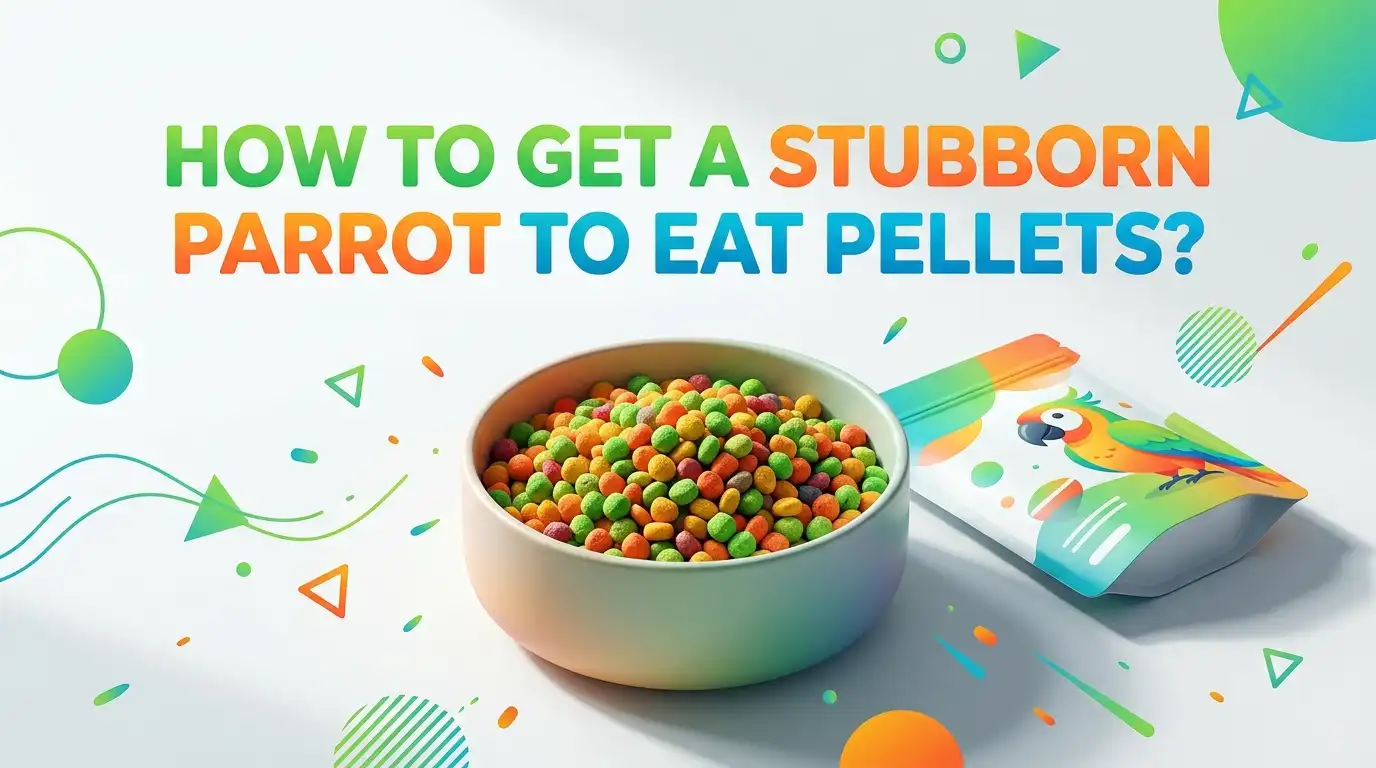
How To Get A Stubborn Parrot To Eat Pellets?
Your parrot stares at the pellets. Then it flings them across the cage. You sigh. You have tried everything. Sound familiar? You are not alone.
Thousands of bird owners face this same battle every single day. Pellets are healthier than seeds, but many parrots refuse to touch them.
The good news is simple. You can win this fight. Stubborn parrots can learn to eat pellets with the right plan. It takes patience, a clear method, and a little creativity. This guide gives you proven steps that avian vets and experienced bird keepers actually use.
Key Takeaways
- Go slow and stay patient. A safe pellet switch can take days, weeks, or even months. Rushing the process can stress or harm your parrot. Slow change keeps your bird safe and calm.
- Never starve your bird into eating pellets. A small bird should not go past 12 hours without food. A large parrot should not go past 24 hours. Hunger can turn deadly fast.
- Weigh your parrot daily with a gram scale. Weight loss of more than 1 to 2 percent per week is a warning sign. Call your avian vet right away if this happens.
- Mixing seeds and pellets is a transition tool, not a final diet. Your goal is a diet that is mostly pellets with fresh vegetables and a little fruit.
- Use many methods together. Mixing, soaking, modeling, and foraging all help. Different parrots respond to different tricks, so test several.
- Talk to an avian vet before you start. A health check protects your bird and gives you a safe baseline weight to track.
Why Your Parrot Refuses To Eat Pellets
Your parrot is not being difficult on purpose. Birds do not recognize pellets as food at first. In the wild, parrots eat seeds, fruits, and plants. Pellets look strange and unnatural to them. Your bird sees an odd shape and simply ignores it.
Seeds are also addictive in a way. They are high in fat and taste great to parrots. Think of seeds like candy. Pellets feel boring next to that sugary treat. Your bird picks the fun food every time it can.
Some parrots refuse pellets out of habit. A bird raised on seeds for years has a fixed routine. New textures and flavors feel scary. Fear of new food is normal and even healthy in the wild. Understanding this helps you stay calm and patient during the switch.
Why Pellets Are Better Than Seeds
Seeds alone harm your parrot over time. A seed only diet lacks key vitamins and minerals. It is low in vitamin A and calcium. It is also too high in fat. Over years, this leads to obesity, fatty liver disease, and weak bones.
Pellets fix this problem. Each pellet packs balanced nutrition into one bite. Your bird cannot pick out the tasty bits and skip the healthy ones. Every pellet gives the same complete blend of nutrients. This makes daily feeding far more reliable.
Vets recommend a diet of mostly pellets plus fresh veggies. A common target is 50 to 80 percent pellets with fresh vegetables and a little fruit. This mix supports better feathers, more energy, and a longer life. Good food is the single best thing you can give your bird.
Step One: Visit An Avian Vet First
Do not skip this step. A vet check protects your parrot before any diet change. Some birds hide illness very well. A sick bird should never go through a stressful food switch. Your vet confirms your parrot is healthy enough to handle it.
Your vet also gives you a baseline weight. This number is your safety guide for the whole process. You will compare every daily weight against it. If your bird drops too much, you will know fast.
An avian vet can suggest good pellet brands too. Some birds accept one brand and reject another. Your vet may even offer free samples to test. This saves you money and frustration. Starting with expert advice sets you up for real success.
Pros: Safe start, expert guidance, and brand suggestions. Cons: It costs money and takes time to book the appointment.
Step Two: Measure How Much Your Parrot Eats
You need to know your bird’s daily food intake. This step gives you the exact amount of pellets to offer later. Measure how much seed you put in the bowl each morning. At night, measure how much seed is left.
Subtract the leftover from the morning amount. Ignore the empty husks at the bottom of the cage. The number you get is the daily eaten amount. Do this for one full week to find a reliable average.
This average becomes your daily pellet target. Feeding only this amount stops your bird from picking out seeds and ignoring pellets.
A slightly hungry bird is more curious about new food. Track these numbers in a simple notebook. Clear data makes the whole switch easier and safer.
Pros: Gives precise feeding amounts and a safety baseline. Cons: It requires a full week of daily tracking before you begin.
Step Three: The Gradual Mixing Method
This is the most trusted method. Start by mixing 75 percent seeds with 25 percent pellets. Offer only the daily amount your bird normally eats. Your parrot will eat the seeds first. As the day goes on, only pellets remain.
Once your bird nibbles the pellets, shift the ratio. Move to 50 percent seeds and 50 percent pellets over one to two weeks. Then move to 100 percent pellets with fresh veggies on the side. Watch your bird closely at each stage.
A helpful trick is to place pellets on top. Put the new pellets over the seeds so your bird digs through them. This forces contact with the new food. Slow steps keep stress low and acceptance high.
Pros: Gentle, safe, and vet approved for most parrots. Cons: It can take weeks or months, and progress may feel slow.
Step Four: Try Soaking Pellets To Change Texture
Texture often scares stubborn parrots. Soaking pellets softens them and changes how they feel. Pour a little warm water over the pellets. Wait until they turn soft and mushy. Many birds accept this new texture more easily.
You can mix soaked pellets with familiar foods. Stir in a few seeds or a bit of mashed veggie. This blends the new with the safe and known. Your bird tastes the pellet flavor without the hard, strange texture.
One warning matters here. Wet pellets spoil fast, so remove them within a couple of hours. Leaving them too long can grow harmful bacteria. Replace soggy food often to keep your parrot safe. Soaking works well for birds that hate hard, dry foods.
Pros: Solves texture fear and boosts early acceptance. Cons: Spoils quickly and needs frequent removal and cleaning.
Step Five: Be A Role Model For Your Parrot
Parrots learn by watching. Birds copy what their flock eats. In your home, you are part of that flock. If your bird sees you enjoy pellets, it grows curious. This trick works wonders for social parrots.
Pick up a pellet and pretend to eat it. Act excited and happy while you do it. Make happy sounds and show real interest in the food. Your parrot reads your energy and wants to join in. This turns mealtime into a fun shared moment.
If you own more than one bird, use that. A parrot that already eats pellets can teach a stubborn one. Place them near each other during meals. Seeing a flock mate eat often sparks instant interest. Social pressure is a powerful, natural motivator.
Pros: Free, fun, and builds your bond with your bird. Cons: It does not work for every parrot, and results vary.
Step Six: Use The Morning Hunger Trick
Birds love to eat first thing in the morning. A hungry parrot is far more willing to try new food. You can use this natural habit to your advantage. Remove all food from the cage at bedtime.
In the morning, offer only pellets for the first two to four hours. After that window, give your bird its normal seeds for the rest of the day. Remove all food again at night. Repeat this pattern daily.
As your bird starts eating pellets, stretch the pellet only time. Slowly add more hours until pellets become the main food. This method respects your bird’s appetite cycle. It never lets your parrot go truly hungry. Always watch closely to make sure your bird eats enough each day.
Pros: Uses natural hunger safely and speeds up acceptance. Cons: It needs strict timing and careful daily watching.
Step Seven: Try The Location And Bowl Trick
Where you place food matters more than you think. Many parrots prefer to eat from a higher bowl. Put the seeds in a familiar low bowl. Place the pellets in a similar bowl higher up in the cage.
Your bird often picks the higher spot first. As it eats more pellets from the top bowl, slowly cut the seed amount below. Once seeds drop to a small portion for a week, remove the lower dish. Now pellets become the main option.
Pay attention to your parrot’s favorite eating spots too. Place pellets right where your bird already loves to sit and eat. Familiar locations feel safe and inviting. A tiny sprinkle of seed on top can spark that first taste. Small changes in placement often bring big results.
Pros: Simple, low stress, and easy to set up at home. Cons: It works best for birds with strong location habits.
Step Eight: Make Pellets Fun With Foraging
Parrots are smart and love to play. Foraging turns boring pellets into an exciting game. Hide pellets inside safe toys your bird must open. Wrap them in paper or stuff them into cardboard tubes. Your parrot works to find the food.
This taps into a deep natural instinct. Wild parrots spend hours searching for food every day. Foraging gives that same joy in your home. A bird that hunts for pellets sees them as a prize, not a chore.
Try other fun ideas too. Tuck pellets inside a favorite veggie or place them on a play stand. Tapping near the food can grab your bird’s attention. Curiosity often beats fear when food becomes a game. Playful feeding makes pellets feel special and worth trying.
Pros: Fights boredom and makes new food exciting. Cons: It takes more setup time and creative effort from you.
Step Nine: Monitor Weight And Droppings Closely
Safety comes first during any diet switch. Weigh your parrot every single day with a gram scale. Always weigh before feeding for an accurate number. Compare each weight to your starting baseline. Watch for any steady drop.
A safe limit is clear. Your bird should lose no more than 1 to 2 percent of its body weight per week. If it loses more, stop and call your vet at once. Excessive weight loss can quickly become dangerous for small birds.
Check the droppings too. Healthy droppings have a normal amount of stool and never look black. Black or very little stool signals a problem. Watch the color and texture each day. These small checks catch trouble early and keep your parrot safe through the whole process.
Pros: Prevents serious harm and catches problems fast. Cons: It requires daily effort and buying a gram scale.
Step Ten: Add Fresh Vegetables For A Complete Diet
Pellets are not the whole story. A healthy parrot diet includes fresh vegetables and a little fruit. Pellets plus veggies give your bird full, balanced nutrition. This combo beats both seeds and pellets alone.
Choose veggies rich in vitamin A. Yams, carrots, squash, and orange bell peppers are great choices. These support strong eyes, good feathers, and a healthy immune system. Offer them chopped and fresh each day.
Vegetables also help with the pellet switch itself. Sprinkle crushed pellets over cooked veggies your bird already likes. Once your parrot eats the veggies, it tastes the pellets too. This bridges the gap between old and new food. A colorful plate keeps your bird healthy and curious about eating well.
Pros: Boosts nutrition and helps introduce pellets gently. Cons: Fresh food spoils fast and needs daily prep and cleaning.
Step Eleven: Stay Patient And Never Give Up
This last step matters the most. Every parrot is different, so timing varies a lot. Some birds switch in days. Others take many weeks or even months. Both timelines are normal and okay.
Do not give in to your bird’s stubborn stare. Giving up and returning to all seeds harms your parrot’s long term health. Stay firm but gentle. Keep your goal in mind. A healthy diet is worth the effort and the wait.
Celebrate small wins along the way. The first nibble of a pellet is a huge victory. Keep trying different methods if one fails. Mix and match the tricks from this guide. With patience and love, your stubborn parrot will eat pellets and thrive for years to come.
Pros: Leads to lasting health and a stronger bond. Cons: It tests your patience and demands steady commitment.
Frequently Asked Questions
How long does it take to switch a parrot to pellets?
It depends on your bird. Some parrots accept pellets in a few days. Others need several weeks or even months. Go at your bird’s pace. Patience always beats rushing the process.
Will my parrot starve itself instead of eating pellets?
A parrot can refuse food long enough to harm itself. Never let a small bird go past 12 hours without eating. Large parrots should not go past 24 hours. Always offer some familiar food as a safety net.
Can I mix seeds and pellets forever?
No, mixing is only a transition tool. A permanent seed and pellet mix lets your bird pick out the seeds. Your final goal is mostly pellets with fresh veggies and a little fruit for full nutrition.
My parrot just crushes pellets without eating them. Why?
Some birds play with food before eating it. Crushing can be normal exploring behavior. The pellet size may also be wrong. Try a smaller or larger pellet to see if your bird eats more.
Should I see a vet before changing my parrot’s diet?
Yes, always start with an avian vet. A health check makes sure your bird can handle the switch. Your vet gives a safe baseline weight and can suggest good pellet brands for your parrot.
What if none of these methods work?
Do not lose hope. Some vet hospitals will board your bird and convert it for you. They watch its weight and health closely during the switch. This is a safe option for very stubborn parrots.

Hi, I’m Liza — pet lover, lifelong animal enthusiast, and the voice behind Liza4Pets. I created this space to share honest, practical pet care advice for fellow pet parents who want the best for their furry (and not-so-furry) companions.