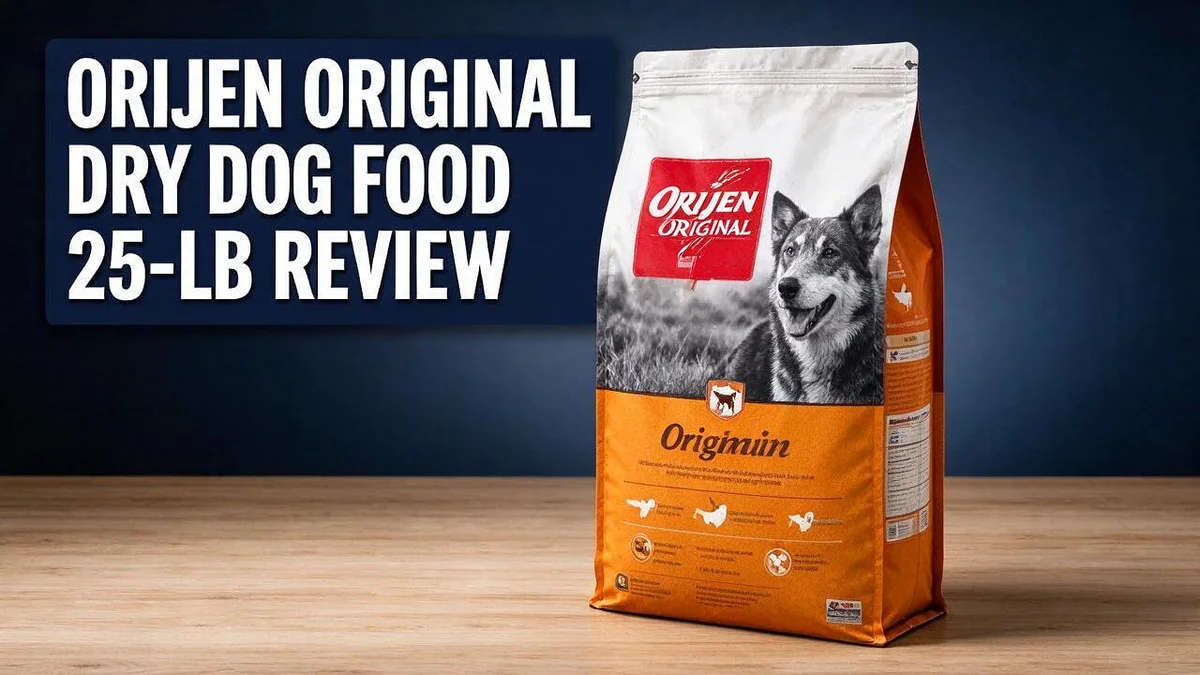
Orijen Original Dry Dog Food Review 2026: The Ultimate Guide
Searching for the right dry food can feel confusing. Your dog deserves a meal that tastes great and supports a healthy body. That is where Orijen Original Dry Dog Food enters the conversation.
This recipe puts meat first. It contains about 85 percent animal ingredients, including meat, organs, cartilage, and bone. Many owners also choose it for skin and coat support.
Still, every dog is different. Some owners report loose stools, and the protein level may run high for certain puppies. In this review, we break down the key facts so you can decide if this food fits your dog.
Made in the USA, this kibble follows a WholePrey approach. Keep reading to see the pros, the cons, and the top competitors.
In a Nutshell
-
Real animal ingredients: This food uses chicken, turkey, fish caught in the wild, and cage free eggs. Meat, organs, cartilage, and bone add natural nutrients to every bite.
-
Rich protein levels: Reviewers often mention the high protein content as a major plus. Owners of growing puppies should still ask a vet whether this level fits their pet’s needs.
-
Skin and coat focus: The brand promotes this food for healthy skin and a shiny coat. Many owners hope to see a glossier coat after the switch.
-
No grains in the mix: The formula leaves out grains completely. Some owners prefer this option for dogs with grain sensitivities, though a vet can confirm the right fit.
-
Possible stomach changes: A few owners report loose stools after starting this food. Mixing the new food with the old one over about a week can ease the transition.
-
Kibble size for small dogs: Some pieces may feel too large for tiny breeds. Owners of small dogs should check the kibble shape before serving.
Ingredient Sourcing and WholePrey Formulation


Last update on 2026-11-02 / Affiliate links / Images from Amazon Product Advertising API
Where ingredients come from shapes what ends up in the bowl. Orijen builds its recipe around whole animal parts, not just muscle meat.
The WholePrey idea tries to mirror how wild dogs eat. Meat, organs, cartilage, and bone all land in the mix together.
Organs bring natural nutrients. Liver and other organ meats offer vitamins and minerals that muscle meat rarely supplies alone.
Bone and cartilage add useful compounds. Bone supplies calcium, while cartilage adds natural building blocks found in healthy joints.
Sourcing also looks at how animals live. Chickens and turkeys come from birds that roam freely rather than live in crowded cages.
Fish comes from natural waters instead of farms. This gives the food a clear link to ocean and river sources.
Eggs come from hens that are not kept in cages. Many owners see this as a kinder choice for farm animals.
Animal ingredients make up about 85% of the formula. That leaves little room for fillers that add little benefit for a dog’s diet.
Dogs do well on diets rich in animal protein. This high meat share suits many pets with active lifestyles.
Many people believe wild canines eat organs and bones along with muscle. This belief helps explain why the recipe looks so different from standard kibble.
The mix may suit owners who like raw style diets but want the ease of dry food. Kibble keeps storage simple and mealtimes quick.
Ingredient lists can change over time. Check the label on each new bag before you buy.
Ask your vet if this recipe fits your dog’s health history before switching. Vets can review ingredients against your dog’s age, size, and activity level.
Protein Content and Nutritional Profile
Protein does a lot of heavy lifting in a dog’s body. It builds muscle, repairs tissue, and fuels daily energy. Reading the nutritional profile helps you see how this bag fits your dog’s needs.
Start with the guaranteed analysis printed on the bag. Look for the crude protein percentage on a dry matter basis. This number shows how much protein sits in the kibble, but it does not tell the whole story alone.
Protein quality depends on amino acids. Animal sources like chicken, turkey, and fish supply a full set of essential amino acids. Dogs need these building blocks because their bodies cannot make all of them. Plant proteins can fill some gaps, but animal proteins usually offer a closer match to what dogs need.
Digestibility matters just as much. A protein that the gut absorbs well delivers more usable nutrients. Many owners look for a food that digests smoothly, since the body then uses more of what it eats.
Fat plays a partner role. Fat supplies concentrated energy and helps the body absorb certain vitamins. The bag lists fat levels that work alongside the protein number, so check both before you decide.
Age changes everything. Adult dogs usually thrive on moderate protein levels. Puppies need extra protein for growth, yet very high amounts may not suit every young dog. Ask your veterinarian before feeding this food to a growing pup.
Carbohydrates round out the picture. This formula leaves out grains, so starches come from other ingredients. Check the calorie content per cup, because that number helps you measure portions for your dog’s size and activity level.
Compare this food with other options. Stella & Chewy’s and Symply also focus on animal protein. Lining up the guaranteed analysis side by side shows which bag best matches your dog’s daily needs.
Watch your dog after the switch. Track energy, coat condition, and stool quality over several weeks. Small changes tell you a lot about how the nutritional profile works for your pet.
Skin and Coat Claims
Skin and coat claims sound exciting on a bag. Still, a claim is a promise from the brand, not a guarantee for your dog. Think of it as a starting point.
Many dogs with itchy or flaky skin have problems outside the bowl. Fleas, mites, and environmental allergies can all cause dryness. Food may help, but it rarely fixes these issues alone.
Timing matters too. Skin renews slowly, so visible changes often take several weeks. A coat may look shinier before the itching fades, or the reverse may happen. Keep notes on your dog for at least two months.
Brushing plays a big role in coat health. It spreads natural oils along the fur and removes loose hair before it mats. Most short coated dogs need brushing once a week, while long coats need more attention.
Bathing needs balance as well. Frequent baths can strip oils from the skin. Ask your veterinarian how often your dog should bathe.
Look for clear signs of progress. Less shedding, softer fur, fewer flakes, and calmer scratching all point to better skin. Take photos every two weeks so changes are easy to spot. Photos also help you share updates with your vet.
Skeptics question how strong these brand promises really are. Read reviews from owners whose dogs have similar coat types or allergies. Their experiences can give you a more balanced view than the packaging alone.
Talk with your veterinarian before you judge the results. A vet can rule out infections, hormone issues, and parasites. This step matters most when symptoms are severe or appear suddenly.
Some owners report dull coats even on high-quality diets. That result does not always mean the food failed. Genetics, age, and general health also shape coat quality.
Skin and coat care works best as a team effort. Good food, regular grooming, clean water, and routine checkups support each other. When you combine these habits, your dog has the best chance at healthy skin.
Top 3 Alternatives
Looking for a different bag for your pup? These three options offer solid choices. Each one has its own strengths, so read on to find your match.
Acana Heritage

Last update on 2026-11-02 / Affiliate links / Images from Amazon Product Advertising API
Acana Heritage is a strong pick for dogs that do well with whole grains. The recipe includes oats and barley alongside real meat and fish. Many owners say the bowl looks like a simple, hearty meal.
Dogs that need a steady source of fiber often do well on this formula.
Wellness CORE

Last update on 2026-11-02 / Affiliate links / Images from Amazon Product Advertising API
Wellness CORE skips grains completely. The recipe puts lean protein first, with turkey and chicken meal leading the list. Many active dogs enjoy the high protein level and the fresh vegetables.
It suits adult dogs that need extra muscle support.
Blue Buffalo Wilderness

Last update on 2026-10-31 / Affiliate links / Images from Amazon Product Advertising API
Blue Buffalo Wilderness also skips grains. Real meat is the first ingredient in each recipe. The formula adds antioxidants and omega fatty acids to support healthy skin and a shiny coat.
Owners who want a meat focused diet often like this line.
Pick the option that fits your dog’s age, activity, and digestion. Talk with your vet if you need extra guidance.
Kibble Size and Feeding Suitability
Kibble size shapes how a dog eats every single meal. The pieces should fit the mouth without forcing a huge bite. A dog that gulps large pieces may also swallow extra air.
Chewing matters more than many owners realize. Dogs that chew well break food down before it reaches the stomach. Crunchy pieces also encourage some chewing, although they never replace regular brushing or dental checkups.
Puppies need a different approach. Their jaws are still growing, and their adult teeth are still coming in. Owners should ask a vet whether the current pieces suit the pup’s size and stage.
Senior dogs may struggle with hard pieces. Older dogs can lose teeth or develop sore gums over time. Adding a little warm water can soften the kibble, but it should not sit out for long.
Large breeds bring their own considerations. Big pieces may suit a strong jaw, yet some large dogs still gulp their meals. A slow feeder bowl can slow eating and reduce that rushed behavior.
Portion control deserves attention too. Kibble is dense, so a small scoop can hold many calories. Measuring each meal with a clear measuring cup helps owners track intake and avoid extra weight.
A slow switch makes a big difference. Mixing a small amount of the new food with the old food over seven to ten days gives the gut time to adjust. Rushing the change can cause upset that owners then blame on the recipe.
Water is essential with any dry food. Kibble contains very little moisture, so fresh water should always sit nearby. Dogs that eat dry meals often drink more after each serving.
Every dog has different needs. Size, age, teeth, and activity level all shape what feels right. A veterinarian can review the bag and confirm whether this kibble fits the dog’s daily routine.
Pros and Cons
Pros
- High meat inclusion gives the food a strong meaty base.
- WholePrey style blends meat, organs, cartilage, and bone.
- Chicken and turkey come from free-run sources.
- Reviewers often praise the ingredient quality.
- The food is made in the USA.
Cons
- Some owners report loose stools after they start the food.
- The protein level may be too high for growing puppies.
- The listed bag weight of 23.5 lb does not match the 25 lb title.
Who Should Buy It
This food fits owners who want a meat focused meal for an adult dog. Many people look for real animal ingredients on the label, and this recipe puts animal sources first. Shoppers who read every label often feel more at ease with that approach.
Active adult dogs are a strong match. Dogs that go on daily walks, hikes, or play sessions need steady fuel. A protein rich recipe can support lean muscle when the dog gets plenty of exercise.
Owners of working or sporting dogs often look for dense nutrition in every bowl. This food can fill that role. The feeding plan should still match the dog’s real energy use.
Households with a single healthy adult dog also benefit. The owner can watch body weight and energy levels over time. Simple routines help the owner notice small changes early.
Some owners should think twice. Dogs that gain weight easily may need fewer calories than a rich recipe provides. Couch loving companions often do better with a lighter formula.
Dogs with known food sensitivities need extra care. Review the full ingredient list with a vet before the first bag. Any dog with a sensitive gut should start with a small test batch.
Multi dog homes deserve a closer look. Each dog may need a different portion, so feeding time matters. Owners should keep bowls separate and track each dog’s intake.
Pet owners who prefer one food for every meal may like the simplicity. One bag can cover daily meals without frequent brand changes.
Shoppers should also think about the dog’s daily routine honestly. A lazy weekend walker and a trail running dog need different plans. Choose the option that matches real life, not just the label.
Final thought: This recipe works best for healthy adult dogs with an active lifestyle. Owners who want a meaty, ingredient focused meal will likely feel pleased. Confirm the fit with your vet first.
Final Verdict
Orijen Original makes a strong case as a meat focused dry food. Many reviewers respect its ingredient quality. Still, it asks owners to look closely before they commit.
Think of this bag as a strong option, not a universal answer. Your dog’s own response will tell you more than any label. Watch the coat, the energy level, and the way the bowl looks after each meal.
Start with a short trial before you buy a large supply. A small test period gives you clear answers. You can see how your dog reacts before you commit to months of feeding.
Keep a simple log during the first few weeks. Note the stool quality, the itch level, and the appetite. Patterns appear quickly when you write them down. Small notes often reveal big truths.
Talk with your veterinarian about your dog’s health history. A professional can spot risks that a website cannot. This step matters most for dogs with weight concerns or ongoing health conditions.
Consider the long run, too. Some dogs thrive on rich meals for years. Others do better with a lighter formula as they age. Plan for changes instead of assuming one bag fits every life stage.
Before you check out, run through a quick list. Ask whether your dog eats well and keeps a healthy weight. Ask whether your home can handle a gradual switch. If you answer yes to most questions, this food deserves a close look.
Rescue dogs and newly adopted pets need extra patience. Their stomachs may need time to adjust to any new menu. Give them room to settle.
Shoppers who want a clear verdict should keep it simple. Orijen Original delivers rich nutrition and strong meat content. It rewards owners who monitor their dog closely and adjust when needed.
Your dog deserves a food that fits the whole picture. Use this review as a starting point. Then trust what you see in your dog’s bowl and body.
Frequently Asked Questions
Is this food a good fit for small breeds?
The kibble pieces can be large for toy and small dogs. Watch how your dog picks up and chews each piece. Some owners compare piece sizes with Stella & Chewy’s or Symply before they decide.
How should I store the food so it stays fresh?
Keep the food in a sealed, airtight container. Heat and humidity can reduce freshness, so avoid leaving the bag near the stove or in a hot car. Wipe the container clean before each refill.
Can senior dogs eat this food?
Older dogs often need fewer calories and different protein levels. Ask your vet about kidney and joint health first. Older dogs may also chew less, so watch for signs of trouble eating. Track your dog’s weight and energy each month.
What should I check when the bag arrives?
Look at the best by date and the seal first. Check that the kibble looks even and smells fresh. Compare the printed recipe with the one you ordered. A quick check helps you catch problems early.
Can I add toppers to dry food?
Some owners add fresh toppers for variety. Keep toppers small so the meal stays balanced. Count these extras as part of your dog’s daily calories. Handle fresh foods safely, and store leftovers in the fridge.

Hi, I’m Liza — pet lover, lifelong animal enthusiast, and the voice behind Liza4Pets. I created this space to share honest, practical pet care advice for fellow pet parents who want the best for their furry (and not-so-furry) companions.