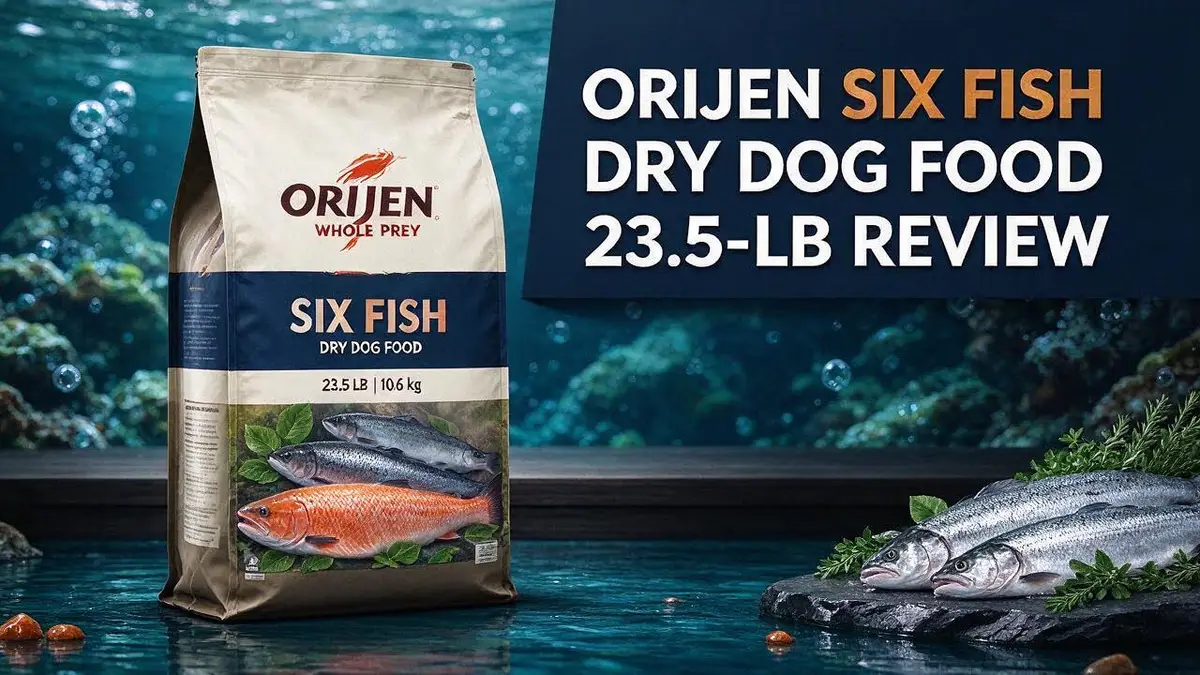
Orijen Six Fish Dry Dog Food Review 2026: Ultimate Guide
Is your dog itchy, dull, or hard to feed? You are not alone. Many owners search for a dog food that feels gentle and nourishing.
Orijen Six Fish Dry Dog Food is one option worth a closer look. It is grain free and chicken free. Roughly 85 percent of its ingredients come from fish.
Each recipe mixes herring, salmon, monkfish, Acadian redfish, flounder, mackerel, and hake. The raw ingredients get frozen at peak freshness. That detail matters to many pet parents.
Owners often share good news about dry skin, coat shine, and sensitive stomachs. Some also notice a strong fishy smell. In this review, you will learn what works, what does not, and whether this 23.5 pound bag suits your dog.
In a Nutshell
Here is a quick look at what owners often say about this dry dog food. Keep these points in mind before you decide.
- More energy for many dogs: Some owners say their dog seems more lively and playful after the switch to this food.
- A small bag lasts long: Dogs need only small amounts at each meal, so one bag can last for weeks in many homes.
- Raw ingredients frozen at peak freshness: The brand freezes its raw ingredients at their freshest point before they go into the recipe.
- Strong fishy smell: Many owners notice a clear fish scent when they open the bag and during mealtime, so expect it right away.
- Fussy eating can happen: One dog became picky about three quarters through the bag, so watch your pet’s appetite closely.
- Mixed skin reports: Some users report skin issues, so check your dog’s skin often during the first few weeks.
Ingredient Quality and Sourcing


Last update on 2026-11-02 / Affiliate links / Images from Amazon Product Advertising API
Ingredients shape every bite your dog takes. This dry food leans heavily on fish, so the quality of that fish matters. Knowing where each ingredient comes from helps you make a confident choice.
Wild caught fish sits at the center of this formula. The recipe uses fish from open waters rather than farm raised sources. Many pet parents feel better about that detail.
About 85 percent of the recipe comes from quality fish ingredients. That high share matters for dogs who need animal protein to stay strong. Fish gives active pups a clear, meat based source of protein.
The formula also skips grain and chicken. Grain free recipes suit some dogs with grain sensitivities, while chicken free recipes can help dogs with poultry allergies. Always check with your vet before you switch foods.
Label reading gives you the best picture of any food. Look for whole fish named first on the ingredient list. Whole named proteins usually signal a higher share of real animal content.
Some ingredient lists also feature fish meal and fish oil. These items add concentrated protein and healthy fats to the mix. Ask your vet whether these ingredients fit your dog’s health needs.
Recent ownership changes deserve a closer look too. A new owner can shift sourcing standards or recipe details over time. Check the bag for the latest ingredient panel before you buy.
Your dog’s history matters just as much as the label. A dog with a known allergy needs a careful review. Start with a small transition period and watch how your pet reacts.
Consistent sourcing also builds trust over time. Pet parents often compare batch notes and label updates. Keep a simple log of your dog’s coat, stool, and energy so you can spot changes early.
Here is the bottom line on sourcing. This formula offers a fish forward recipe with wild caught protein and a grain free, chicken free base. Quality sourcing gives you a strong starting point for your decision.
Palatability and Scent
Dogs use their nose before anything else. A strong aroma often gets their attention right away. For many pups, that scent makes the first bite easier.
Palatability simply means how much a dog enjoys eating a food. It describes taste, smell, and texture working together. A dog who likes the meal finishes the bowl with less coaxing.
This formula leans heavily on fish. Rich seafood flavors give the kibble a bold character. Many dogs respond well to that kind of flavor.
Your dog may react differently than others. Some dogs love a strong seafood scent. Others sniff once and walk away. Each dog brings its own preferences to mealtime.
Try a gradual switch to learn how your dog feels about it. Mix a small portion of the new food with the old food. Increase the new share over about one week.
Keep storage in mind too. Scent fades when a bag sits open for weeks. Roll the top tightly or move the kibble into an airtight container.
Warm water can boost aroma. A splash of warm water on the kibble releases more smell. Some owners use this trick for dogs with a small appetite. Let it cool before serving.
Texture plays a role as well. Kibble size and crunch affect how dogs chew and enjoy each piece. Watch whether your dog crunches happily or pushes pieces around the bowl.
Track mealtime habits for a few days. Note how fast your dog eats and whether it leaves food behind. Patterns like these reveal more than a quick glance at the bowl.
Your vet can also help. Ask about any changes in appetite or stool. A professional opinion gives you clear next steps.
Patience pays off. Many dogs need several days to accept a new flavor. Give the food a fair trial before you decide. Quick judgments can miss the real answer.
Digestive and Skin Health Results
Many owners notice gentler digestion after they switch their dog to this food. Some say their pet seems less gassy and more comfortable after meals.
Dogs with sensitive stomachs make up a large share of these success stories. Owners often describe firmer stools and fewer upset tummies.
Results rarely appear overnight. Most dogs need a few weeks on the food before the gut settles fully. Patience matters during this period.
The skin side of the story looks promising as well. Owners report that itching and dull, flaky patches often ease over time.
A high fish content may explain part of this change. Fish offers a rich source of protein that many dogs handle well. Protein quality often matters more than protein amount.
Not every dog responds the same way. Some owners see no change in skin at all, even after several months.
A few reports also mention skin problems after the switch. Watch closely for redness, rashes, or constant ear scratching.
Keep a simple log for four to six weeks. Write down stool quality, itching levels, and coat changes each week. This record shows real patterns instead of guesses.
Share your notes with your vet at each checkup. A professional can spot trends that you might miss at home.
Stop feeding and call a vet if problems grow. Vomiting, diarrhea, or severe scratching need quick attention. Do not wait for symptoms to fade on their own.
Your dog’s health history guides every decision. Allergies, past illnesses, and age all shape how the food performs. Consider how your dog handled past foods too.
Some dogs may also shed less or shed more during the transition. Changes like these often signal how well the diet suits the body.
Clear results come from patience and careful observation. Good records make your next food choice much easier.
Top 3 Alternatives
Looking for a fish-based dog food that feels like Orijen Six Fish? These three options focus on real fish and grain-free recipes. Each one offers a strong protein source for daily meals.
Acana Pacifica

Last update on 2026-11-02 / Affiliate links / Images from Amazon Product Advertising API
Acana Pacifica uses a fish-first recipe built on flounder, mackerel, and herring. Whole fish sits near the top of the ingredient list. This gives your dog high-quality animal protein in every bowl.
The recipe also skips grains. Many pet parents choose it for dogs with an active daily routine.
Wellness CORE Ocean

Last update on 2026-11-02 / Affiliate links / Images from Amazon Product Advertising API
Wellness CORE Ocean centers on whitefish, tuna, and salmon. It delivers high protein with no grains. This makes it a popular pick for energetic dogs.
The kibble also includes fruits and vegetables for balanced nutrition. Many owners like how the mix supports a healthy coat and steady energy.
Taste of the Wild Pacific Stream

Last update on 2026-11-02 / Affiliate links / Images from Amazon Product Advertising API
Taste of the Wild Pacific Stream features smoked salmon as a key ingredient. The recipe also includes trout and ocean fish. Many dogs find the smoky flavor very appealing.
This choice works well for pet parents who want a grain-free, fish-focused diet. It offers a fresh alternative for dogs that seem bored with plain kibble.
Feeding Guide and Bag Longevity
Start with the feeding chart printed on the bag. It gives a helpful starting point based on your dog’s weight. Weigh your dog every month or so. Weight changes tell you more than the chart alone. Add food when your dog loses weight. Cut back when your dog gains.
Activity level changes the math. A busy working dog needs more fuel than a couch companion. Adjust portions on hiking days or long play sessions.
Split the daily total into two meals. Many adult dogs do well with morning and evening feedings. Puppies often need three smaller meals each day.
Measure every scoop. Use a proper measuring cup instead of a random mug. Small errors add up over a few weeks.
Count the days left in the bag. Divide the bag weight by the daily amount. This quick math shows when to reorder.
Bag longevity depends on portions. Because the formula is rich, small amounts go a long way. Many owners find one bag lasts a long time when portions stay steady.
Plan for mid bag changes. Some dogs grow picky about three quarters of the way through a bag. Keep a backup plan ready.
Check the bottom of the bag for dust and crumbs. Fine dust can signal broken kibble that some dogs dislike.
Keep fresh water nearby. Drinking more water helps dry food digest well. Clean the bowl daily to keep it fresh.
Watch the stool and energy. Firm stool and steady energy suggest the portion fits. Loose stool or weight loss means you should adjust.
Adjust slowly rather than all at once. Change one portion at a time. Give the new amount about one week before you judge it.
Your dog’s appetite tells the real story. Keep quick notes on weight and energy. Then the feeding plan becomes simple.
Recipe Changes and Brand Ownership
Ownership shifts can raise questions for loyal buyers. Many users have noticed recent ownership changes in their feedback. Still, a new owner does not always mean a new recipe.
Check the bag before you assume anything. Read the ingredient list on every new bag. Compare the first few items with an older bag you saved.
Look for the lot code and best by date. These codes help you track which bags came from which production run. Write them in your feeding log.
Watch the guaranteed analysis closely. Protein, fat, and fiber numbers can shift slightly between versions. Small changes often matter less than big ones, but they still deserve a look.
Contact the manufacturer with direct questions. Customer service teams can explain formula updates in plain language. Ask whether ingredient sources or manufacturing sites have changed.
Save photos of every label. Side by side images make differences easy to spot. Keep receipts too, since they show purchase dates and store details.
Think about timing as well. If your dog reacts differently right after a new bag arrives, the food may play a role. Treats, stress, and weather can also affect digestion.
Ask your vet to review the new label. A vet can compare ingredients with your dog’s health history. This step helps when you feel unsure about a change.
Stable formulas give dogs consistency. Clear labels and honest answers from the company build trust over time. Staying calm and curious works better than guessing.
Track the change in a simple table. Write the date, lot code, and any new ingredient you notice. Add notes on energy, stool quality, and coat condition each day.
Remember that brands can change again. Ownership news may come and go. A calm routine of checking labels keeps you ready for the next update. Your dog depends on you to notice these shifts first.
Pros and Cons
Pros
- Seven wild-caught fish give dogs a varied protein source.
- Ingredients are frozen at peak freshness to help keep nutrients intact.
- The chicken-free recipe suits dogs that react to chicken.
- Many owners say their dogs seem more energetic after the switch.
- Fish make up about 85% of the quality ingredients, which appeals to fish lovers.
Cons
- The strong fishy smell can linger in the kitchen and storage area.
- Dogs with a fish allergy should avoid this formula.
- Dogs used to milder kibble may need a slow, gradual switch.
Who Should Buy It
Dogs with sensitive stomachs may benefit most from this formula. Many owners say their pups handled the switch well. A calm tummy makes every day easier for both dog and owner.
Owners of dogs with dry skin should also take a close look. Many people report better skin and a shinier coat over time. This makes the food a strong option for pets that need extra skin care.
Pet parents who want a grain free diet will find a clear choice here. Many shoppers in this group look for protein from fish instead of poultry. This recipe offers that protein in every bag.
A simple journal can help you judge the results. Each week, note your dog’s energy, coat, and stool. A written record also makes your vet visits more useful.
This food does not suit every dog, though. Some users report skin issues, so watch your pet closely. If your dog already has skin trouble, talk with your vet before you buy.
Homes with more than one dog should check each pet’s needs. A dog without a sensitive stomach may not need this food at all. Matching the food to the dog matters more than sticking with one brand.
Puppies and senior dogs have unique needs. Ask your vet whether this formula fits your pet’s life stage.
Think about your dog’s health first. Sensitive stomachs, dry skin, and a need for grain free meals point toward this formula. If those needs match your pet, this food deserves a spot on your list.
Final Verdict
Orijen Six Fish earns a strong place on the shortlist for many households. It works best for dogs that need a fish based meal without chicken. Its clear focus helps owners decide quickly.
The final call depends on your individual dog, not the bag alone. Every dog responds in a unique way. A formula that thrives in one home may struggle in another.
Think about your daily routine too. A rich fish formula brings a noticeable smell into the home. Plan for sealed storage, quick cleanups, and good kitchen airflow.
The benefits stand out clearly. Many owners notice healthier skin, a glossier coat, and more daily energy. These gains matter most for dogs with sensitive stomachs or dry skin.
The drawbacks deserve equal attention. Stronger flavors can overwhelm sensitive appetites. Some buyers also want steady quality from one bag to the next, so stay alert.
A simple trial plan gives you the clearest answer. Buy one bag, switch slowly over about a week, and track stool quality, itch levels, and energy. Write short notes each week.
Ask your veterinarian first. A vet can review your dog’s weight, history, and any known fish sensitivity. This quick check protects your pet from avoidable setbacks.
Some dogs should skip this food entirely. Dogs with fish allergies should avoid this formula. Dogs that refuse new textures may also struggle, so keep a backup recipe nearby.
Think about the long run too. Consistent meals, steady weight, and regular checkups build a healthy routine. Food plays a big role, but exercise and care matter just as much.
In short, this formula suits active, sensitive, or fish loving dogs. Go in with clear expectations, a slow switch plan, and a simple notebook. Your dog’s response will deliver the real verdict.
Frequently Asked Questions
How long does it take to see changes?
Many owners notice shifts within a few weeks. Give your dog at least 4 to 6 weeks before you judge the results. Skin and coat changes often take longer than changes in energy.
Can I mix this food with my dog’s current kibble?
Yes, you can mix them during the switch. Start with a small amount of the new food. Slowly raise the share over about a week until your dog eats only the new formula.
What if my dog suddenly turns fussy?
Some dogs lose interest partway through a bag. This often happens when taste fatigue sets in. Try warming a little water over the kibble or adding a spoon of plain cooked food. Call your vet if your dog also skips meals.
Why might some dogs develop skin issues?
A small number of dogs react poorly to new foods. Food is only one possible cause, though. Allergies, parasites, and dry indoor air can also lead to flaky skin. Track any changes and share them with your vet.
How should I store the bag to keep it fresh?
Keep the food in its original bag inside a sealed container. Store it in a cool, dry spot away from heat. A tight lid also helps contain the odor that many owners mention.

Hi, I’m Liza — pet lover, lifelong animal enthusiast, and the voice behind Liza4Pets. I created this space to share honest, practical pet care advice for fellow pet parents who want the best for their furry (and not-so-furry) companions.