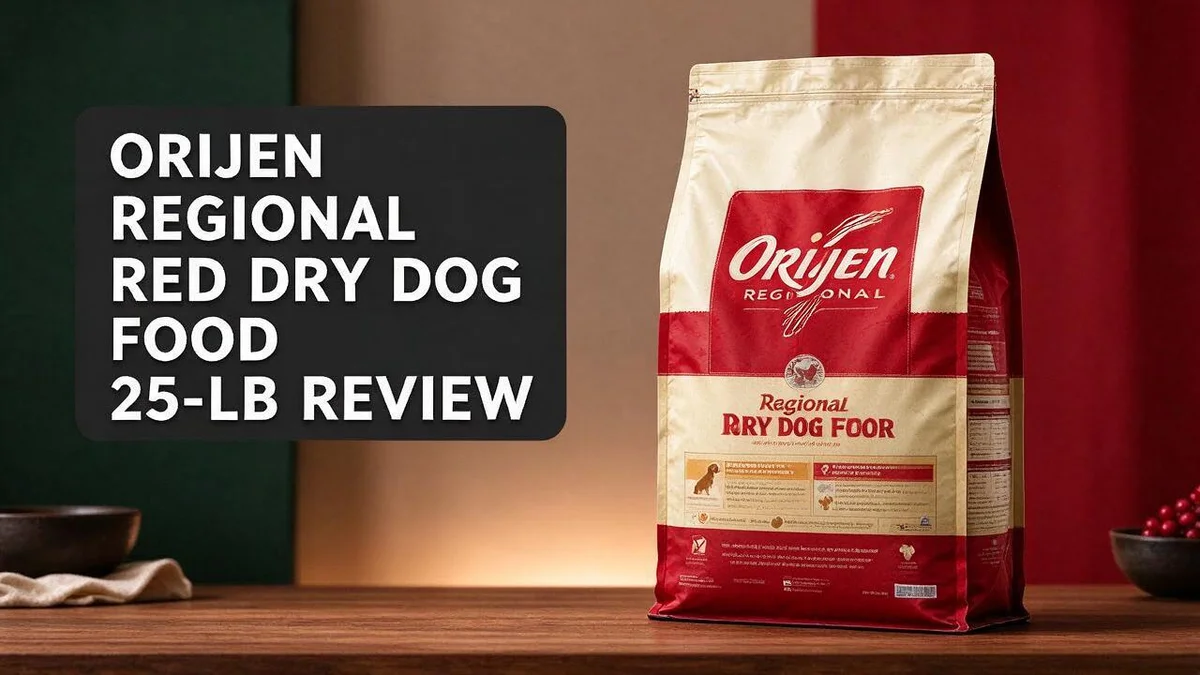
Orijen Regional Red Dry Dog Food Review 2026: Worth It?
Is your dog ready for a meatier meal? Orijen Regional Red Dry Dog Food could be a strong pick.
Each recipe is 85% meat and fish ingredients. The rest comes from vegetables, fruit, and botanicals.
Your dog gets several animal proteins in every bowl. These include ranch raised beef, wild boar, Boer goat, and grass fed lamb.
Petco lists this formula as grain free. Want more variety? The Amazing Grains version adds wild caught mackerel.
The brand says it supports immune health, skin and coat, and digestion.
Fresh meat holds a lot of water. That means it ranks lower on the ingredient list than the dry weight suggests. Let’s look at the details to see if it fits your dog.
In a Nutshell
-
Red meat lovers may enjoy this recipe. One reviewer ranks it among the most red meat dense dry dog foods available.
-
Mackerel adds a fish flavor. The Amazing Grains variant includes wild caught mackerel, so your dog gets variety in every bowl.
-
Some owners prefer simpler labels. One user notes that the formula contains no synthetic vitamins, which appeals to people who read ingredient lists closely.
-
The 25 lb bag suits busy households. A large bag means fewer reorders, which saves time for owners with one or more dogs.
-
Shoppers often compare it with other brands. Common alternatives include Stella & Chewy’s raw blend, Wellness CORE Wholesome Grains, and SquarePet VFS Powerhound.
-
Smaller sizes are available too. You can start with a smaller bag to see how your dog responds before buying in bulk.
Protein Sources and Meat Content


Last update on 2026-11-03 / Affiliate links / Images from Amazon Product Advertising API
Protein plays a big role in your dog’s daily health. It helps build lean muscle and repair body tissue. This formula relies on a mix of named meats to supply it.
Each meat brings its own profile. Ranch raised beef and grass fed lamb are familiar choices.
Wild boar and Boer goat are less common. Each one offers a different taste for picky eaters. Owners who want a change from chicken may appreciate these options.
Sourcing matters as much as the meat. The brand names ranch raised beef and grass fed lamb. Ask where your dog’s food comes from. Clear details help you feel confident about each bag.
Rotating proteins keeps mealtime interesting. Some dogs get bored eating the same flavor every day. Many owners switch recipes over time. Change slowly so your dog’s stomach can adjust. Your dog may even look forward to new flavors.
Read the label with a clear eye. Named meats near the top show what leads the recipe. Look for specific animal names rather than vague terms.
Age and activity change protein needs. Active dogs often burn more energy than couch companions.
Puppies and seniors have their own needs too. Talk with your vet to see if this formula fits your dog’s life stage.
Watch how your dog responds. Good digestion, steady energy, and a shiny coat can signal a good fit. Note any itching, loose stools, or appetite changes. Share those details with your vet at checkups.
Mix in toppers with care. Some owners add cooked meat or plain yogurt to dry food. Keep extras small so the balance stays intact. Check with your vet before adding anything new.
Pair the bag with fresh water. Dogs eating dry food need steady access to clean water. Keep the bowl full and clean every day.
Recipe Formulation and Ingredient Mix
The recipe formulation shapes every bowl your dog eats. Start with the ingredient list. Brands list ingredients by weight before cooking, so the first items shape the mix most.
Dry matter basis helps you compare foods fairly. Water is removed from the math, so nutrient shares become clearer. This helps when you compare kibble with wetter foods.
The plant portion does a different job. Vegetables and fruit add fiber and micronutrients. Botanicals may offer extra plant compounds. Together they round out the meat focused base.
Protein quality depends on amino acids. Animal proteins supply the building blocks dogs need. Mixing several sources can add variety in those amino acids.
Fat carries flavor and supplies energy. Picky eaters often respond well to a richer scent. Check the guaranteed analysis for the exact fat level.
Kibble texture affects chewing and dental habits. Crunchy pieces may help reduce some tartar buildup. Dogs that gulp food may need a slower feeding routine.
Look for named meat sources on the label. Names like beef or goat show a clear origin. Vague terms make it harder to know what your dog eats.
Switch foods slowly to protect the gut. Mix a small portion of the new recipe with the old food. Increase the new share over about seven days.
Dogs with known allergies need extra care. Check every ingredient against your dog’s triggers. Ask a veterinarian before making big diet changes.
Store the bag in a cool, dry spot. Roll the top shut or use an airtight bin. Fresh kibble keeps its taste and aroma longer.
Keep treats within a small share of daily calories. Too many extras can dilute a balanced recipe. Measure portions with a cup to stay consistent.
This recipe suits owners who want a meat focused meal. It pairs strong animal protein with plant support.
Health Benefits and Brand Claims
Brand claims are a good place to start. Orijen says its formula supports immune health, skin and coat, and digestive health. Many dog foods make similar promises, so it helps to know what these claims really mean.
Claims are not guarantees. Every dog reacts differently to food. A claim describes what the brand hopes to see, not what every dog will gain.
Immune health often connects to a balanced diet. Protein, vitamins, and minerals all play a role. Your vet can tell you whether your dog needs extra support.
Skin and coat health depends on nutrients, including healthy fats. A recipe with fish may suit some dogs. Watch for itching, dull fur, or flaky skin after you switch foods.
Digestive health depends on how well your dog absorbs nutrients. Stool quality is one of the easiest signs to track. Firm, regular stools usually mean the food agrees with your dog.
Track the results yourself. Write down energy levels, coat condition, and stool quality for several weeks. Notes help you spot patterns that a quick glance might miss.
Talk with your vet before making big changes. This matters most for puppies, senior dogs, and dogs with health conditions. A vet can review the label and your dog’s medical history.
Brand claims work best as a starting point. Use them to guide your questions, not as proof. Your dog’s own health tells the real story.
Top 3 Alternatives
If you want another high protein option, these three brands are worth a look. Each one offers a different feel for your dog.
Acana Regionals

Last update on 2026-11-02 / Affiliate links / Images from Amazon Product Advertising API
Acana Regionals takes a regional approach to dog food. Each recipe features ingredients sourced from a specific region, such as fresh meats and whole fruits. Many owners like the variety of proteins in this line. Your dog may enjoy the rich, natural flavors.
Wellness CORE

Last update on 2026-11-02 / Affiliate links / Images from Amazon Product Advertising API
Wellness CORE focuses on high protein and a simple promise. Real meat comes first in most recipes. The formulas also include fruits and vegetables for extra nutrition. This line suits active dogs that need a protein boost. It is a good pick if you want a clean, straightforward ingredient list.
Blue Buffalo Wilderness

Last update on 2026-10-31 / Affiliate links / Images from Amazon Product Advertising API
Blue Buffalo Wilderness draws inspiration from the diet of wild ancestors. It uses high protein levels and real meat as the first ingredient. Many dog owners notice that their pets stay full and satisfied between meals. The recipes also include LifeSource Bits, small pieces packed with vitamins and minerals.
Each of these options can work well, so check the label and pick the one that fits your dog’s needs best.
Grain-Free Status and Dietary Fit
Orijen Regional Red is listed as grain free by Petco, so it fits owners who want to skip common grains like wheat, corn, rice, and barley. Many people choose a grain free bag for this reason.
Grain free is not a health guarantee for every dog. Most dogs digest grains well. True grain allergies are fairly rare, so grain free makes the most sense when your vet recommends it for your dog.
Many grain free recipes replace grains with other carbohydrates, such as peas, lentils, or potatoes. Ask your vet which carbohydrate source suits your dog best. Your dog may do better with one type than another.
The FDA has looked into reports linking some grain free dog foods to dilated cardiomyopathy, a serious heart condition. The cause is still under study. Ask your vet to check your dog’s heart health during routine visits, especially if you feed a grain free diet long term.
Read the label before you buy. The Amazing Grains variant is a separate recipe, so the bag name alone does not show the full story. Check the ingredient list on each bag you consider.
This recipe is built around meat, which suits dogs that thrive on animal protein. Dogs that need fewer calories may need measured portions, since meat rich foods can be quite filling and energy dense.
Compare it with other choices too. Wellness CORE Wholesome Grains includes grains, so it suits owners who want grains in the bowl. Stella & Chewy’s raw blend takes a different path. Each option meets a different need.
A good match depends on your dog’s health, age, and lifestyle, not on trends. Choose grain free only when it truly fits your dog.
Bag Sizes, Packaging, and Storage
Orijen Regional Red comes in a 25 lb bag and other sizes. The large bag fits households with a big dog or several dogs. Smaller sizes suit a small dog or a first trial.
Start by checking your dog’s daily intake. Most adult dogs eat a set amount each day. Divide the bag weight by that daily amount to see how many days it lasts. This simple math helps you avoid running out mid meal.
A 25 lb bag can last several months for a medium dog. Larger dogs finish it faster. Puppies and very active dogs may need more food than you expect.
Choose a size that matches your storage space. A 25 lb bag needs room on a pantry floor or a garage shelf. Measure the spot first, so the bag fits upright and stays off the ground.
Freshness matters after opening. Kibble loses its aroma and nutrients over time. Once you open the bag, aim to use it within several weeks. Write the open date on the bag with a marker.
Roll the top shut after each scoop. Air and moisture slowly reach the kibble through a loose opening. Folding the bag over and clipping it helps keep the air out.
Move the food into an airtight container. Make sure the bin is clean and dry before you pour. Never mix old and new kibble in the same container.
Keep the original bag, because it lists the batch details and feeding guide.
Check the bag for tears or damage at purchase. Pests can enter through small holes. Return damaged bags to the store for a replacement.
Plan your restock ahead of time. Note the day you run low on food. Order or buy the next bag before the last scoop, so your dog never goes without a meal.
Pros and Cons
Pros
– Meat makes up most of the recipe, which suits meat loving dogs.
– You get several animal proteins, including beef, boar, goat, and lamb.
– Some owners like that the recipe has no synthetic vitamins.
– The Amazing Grains version adds wild caught mackerel for variety.
– Multiple proteins may help picky eaters find a favorite flavor.
Cons
– Fresh meat holds a lot of water, so it ranks lower on the label.
– The dry weight meat content can look higher than the label order shows.
– Owners who compare ingredient lists may feel confused by the ranking.
– Rival brands like Wellness CORE and SquarePet VFS Powerhound use different recipes.
Who Should Buy It
This food suits owners who want a meat first diet for their dog. Dogs with big appetites often enjoy a bowl packed with real protein.
Active dogs may need extra fuel for long walks, training sessions, and games of fetch. Owners of agile or working breeds often look for that energy boost.
Owners who prefer raw style meals may compare this kibble with other fresh options. Dry kibble offers a crunchy texture that many dogs enjoy and stores easily.
Owners who rotate proteins can use this bag as one option in the mix. Rotation may help some households avoid boredom at mealtime.
Homes with more than one dog should measure each bowl carefully. Shared meals can hide how much each pet actually eats.
Owners watching a dog’s waistline should track weight each month. Rich meat recipes can add up if portions grow too large.
Dogs with known food allergies need extra care. Check each protein against your dog’s history before you open the bag.
Puppies and senior dogs have different nutritional needs. Ask your vet whether this recipe fits your dog’s life stage. Adult dogs and older dogs may also have different calorie needs.
Busy owners may like a single recipe that stays the same from meal to meal. Simple routines make feeding easier on hectic weekdays and busy travel days.
Switching foods too fast can upset a sensitive stomach. Mix a small amount with the old food and increase it over about a week.
Dogs on a prescribed diet should stay on that plan unless the vet approves a change. Your vet knows your dog’s medical history best.
Shoppers in a hurry may want to check availability before a trip. Keeping a backup plan helps when a favorite bag sells out.
A quick chat with your vet can confirm whether this bag belongs in your dog’s bowl.
Final Verdict
Orijen Regional Red is a strong choice for many dog owners. It offers a meat rich recipe with several proteins. Still, every dog reacts in its own way, so a careful start matters.
Switch slowly over about two weeks. Mix a small amount of the new kibble into the old food. Raise the share each day until the bowl holds only the new formula. This gentle method helps the stomach adjust and lowers the chance of loose stools.
Watch your dog closely during the change. Look at energy levels, stool quality, and appetite. Note any itching or redness on the skin. Keep a simple log so you can spot patterns over time.
Give the food a fair trial. Most dogs need several weeks before owners see changes in coat shine or digestion. Judge the food after that period, not after a few days. Quick decisions can cause owners to miss the real results.
Talk with your vet before you commit. A professional can review your dog’s age, weight, and health history. This step proves especially useful for puppies, senior dogs, and pets with ongoing medical needs. Your vet can also suggest portion changes if your dog gains or loses weight.
Think about your dog’s sensitivities. Some dogs handle rich meat diets with ease. Others need a milder option with fewer ingredients. Pay attention to how your dog responds, and trust what you see in the food bowl.
Overall, this kibble earns a solid place on the shortlist. It brings real meat, varied flavors, and thoughtful ingredient choices. The fresh meat ranking may puzzle some shoppers, yet the protein content still stands out. Test it with care, watch your dog’s response, and decide based on real results.
Your dog’s enthusiasm at mealtime matters most in the end. A bowl that your dog finishes with interest tells you a lot. Keep this in mind as you make your final call.
Frequently Asked Questions
How should you store a 25 lb bag?
Keep the kibble in a sealed container. Store it in a cool, dry spot away from sunlight. Air exposure can dull the flavor over time, so seal the bag tightly after each meal.
Does this kibble suit a dog with a sensitive stomach?
The brand says it supports digestive health. Still, every dog reacts in its own way. Watch stool quality closely during the first few weeks. Call your vet if you see loose stools or itching.
Can you use this food as a topper?
Some owners mix a few pieces into wet food for extra flavor. Keep the topper small so your dog still gets balanced meals. Ask your vet how much fits your dog’s daily plan.
What should you check on the feeding chart?
The bag includes feeding guidance based on weight. Start with the chart, then adjust for your dog’s energy. Active dogs may need more food, while less active dogs may need less. Weigh your dog monthly to stay on track.

Hi, I’m Liza — pet lover, lifelong animal enthusiast, and the voice behind Liza4Pets. I created this space to share honest, practical pet care advice for fellow pet parents who want the best for their furry (and not-so-furry) companions.